
'Together we are stronger': the RFEF successfully hosts a landmark event promoting values, inclusion, and sport
The National Team Coach, Luis de la Fuente, has inaugurated an inspiring event that turned the Luis Aragonés Hall into a space for coming together, reflection, and social commitment through football
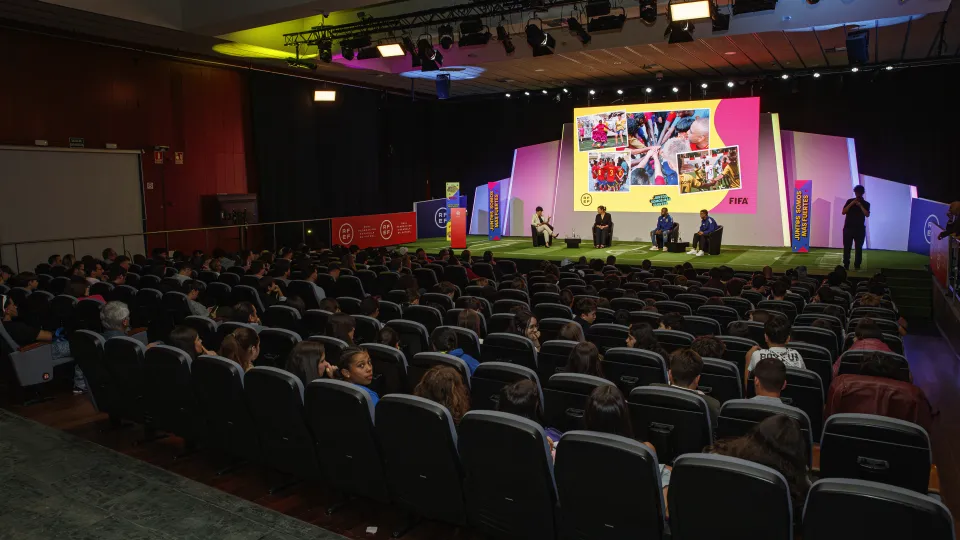
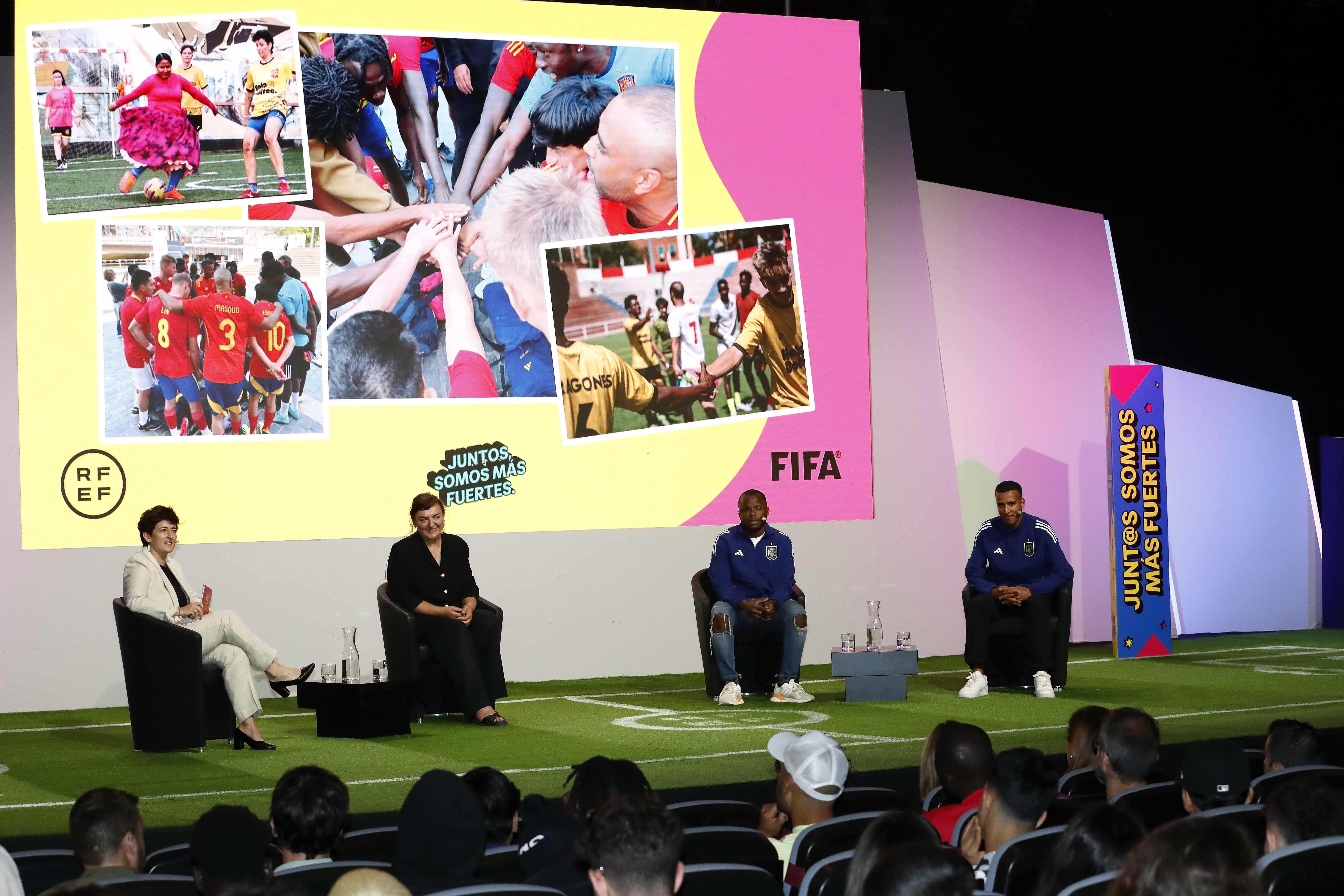
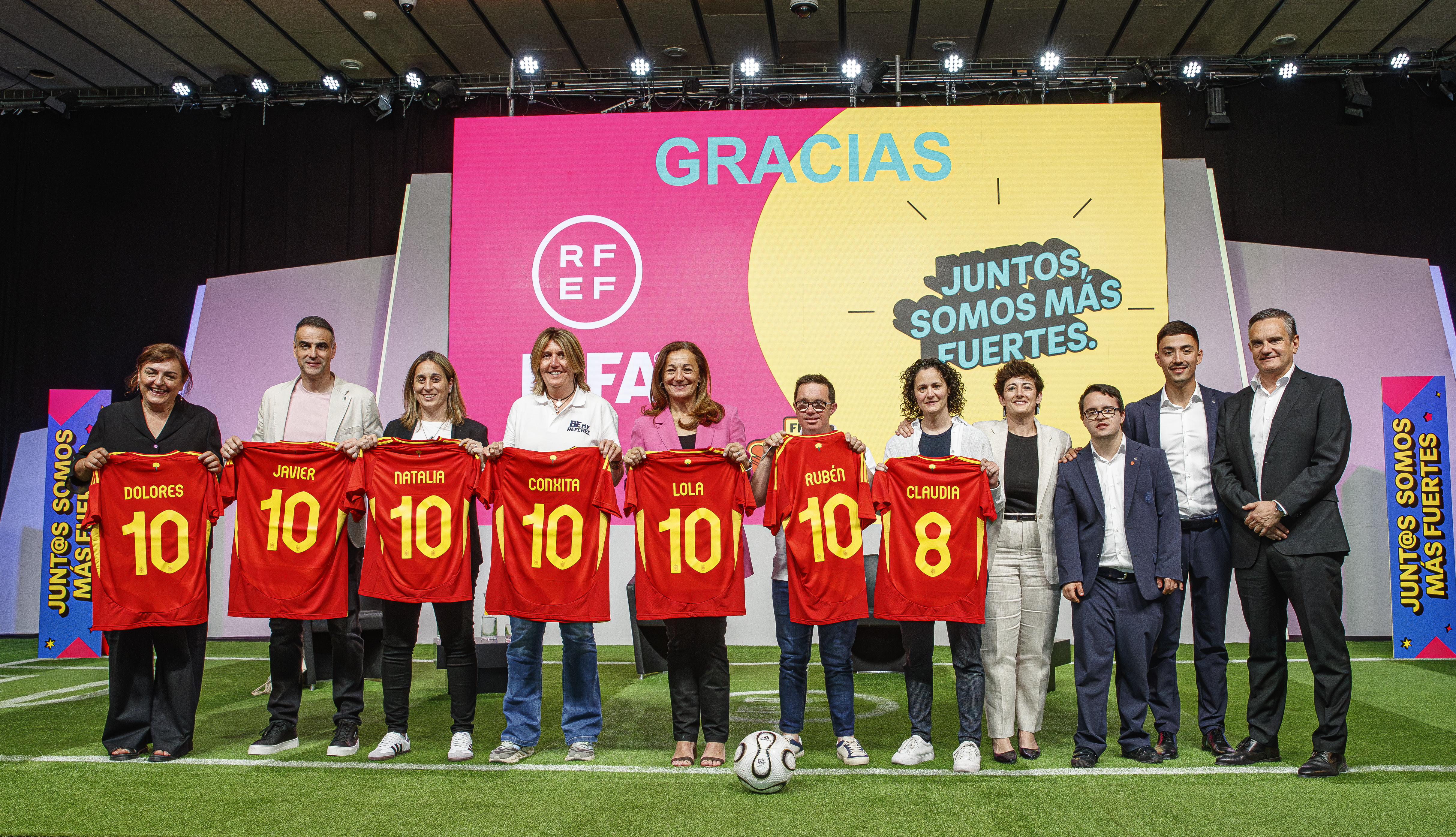
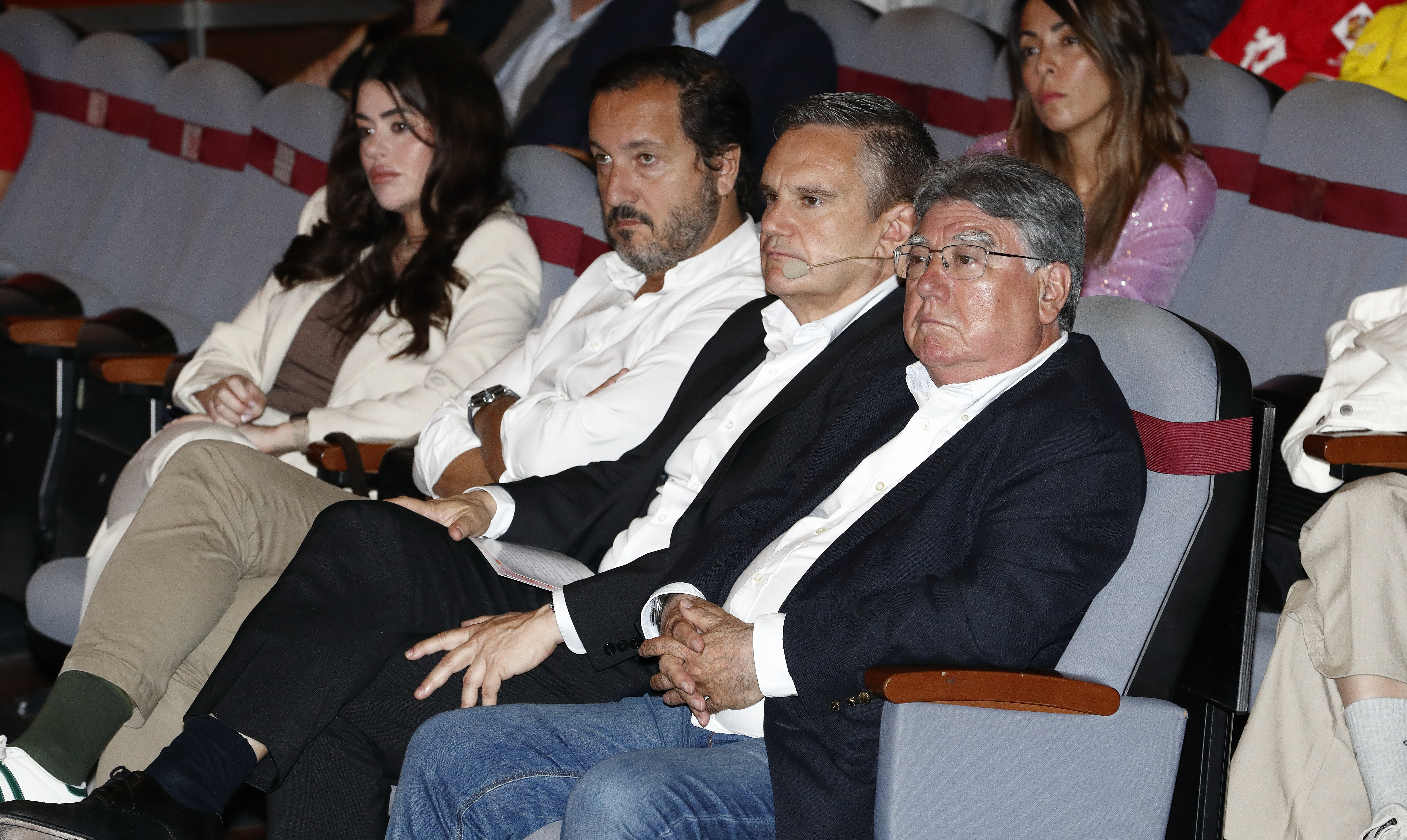
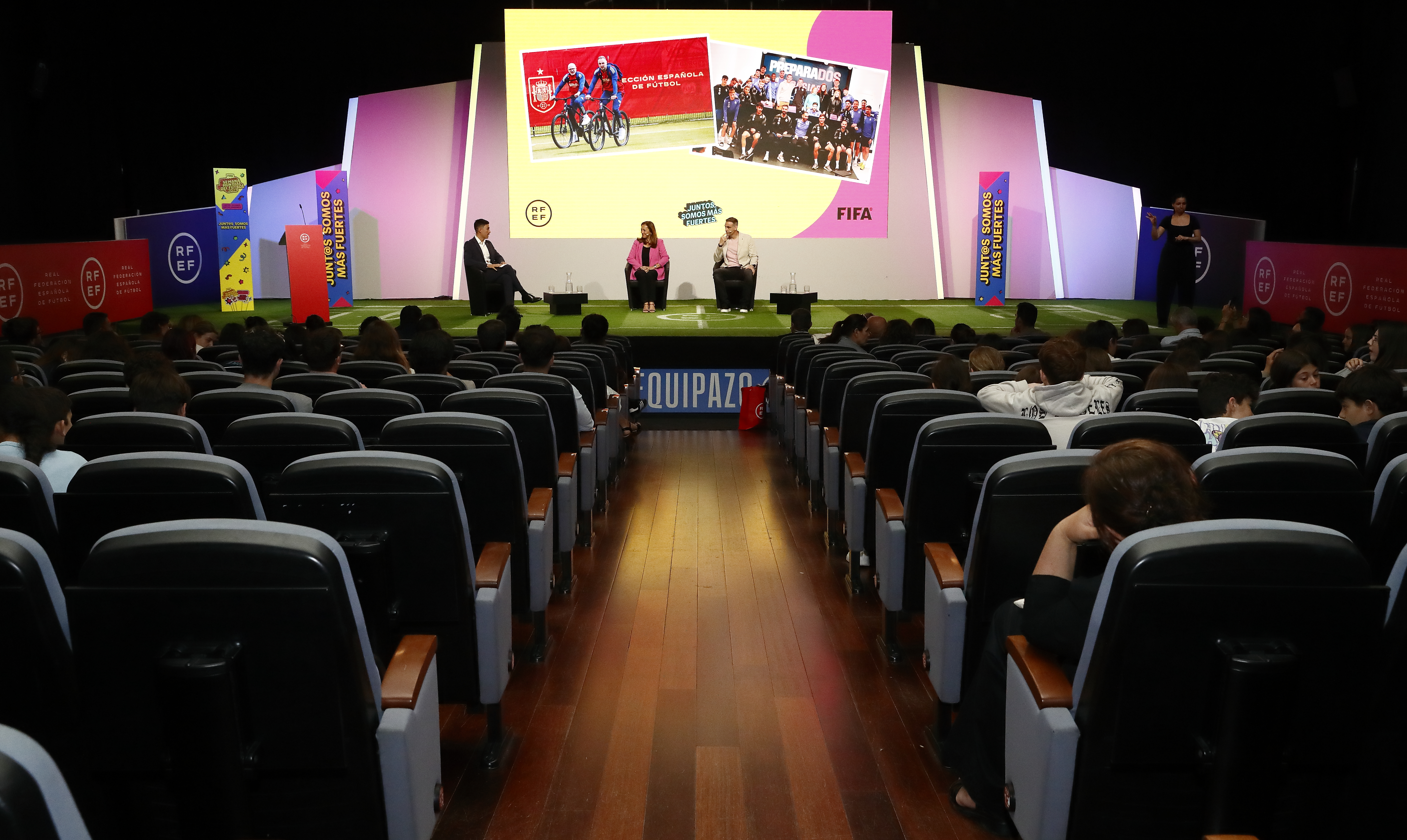
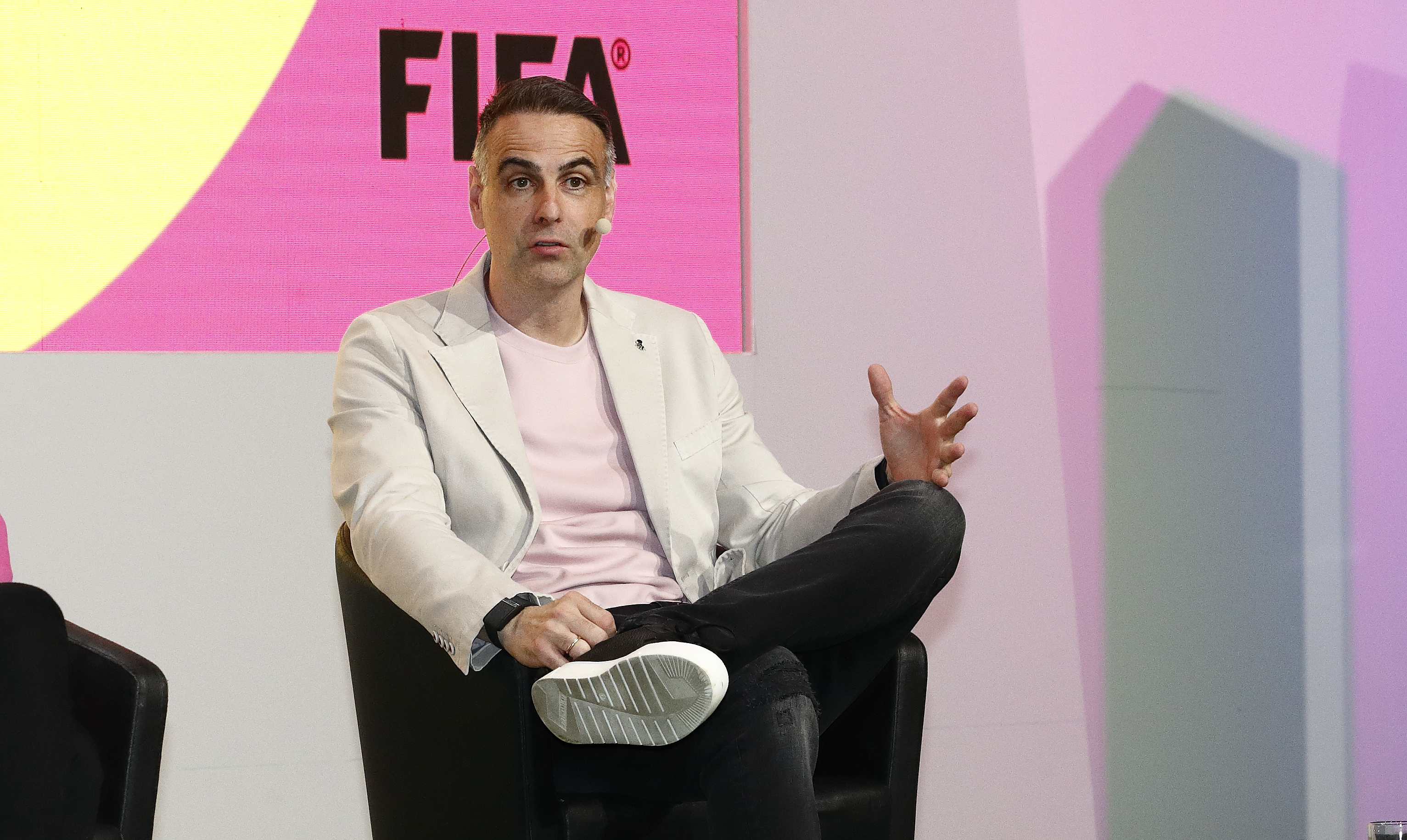
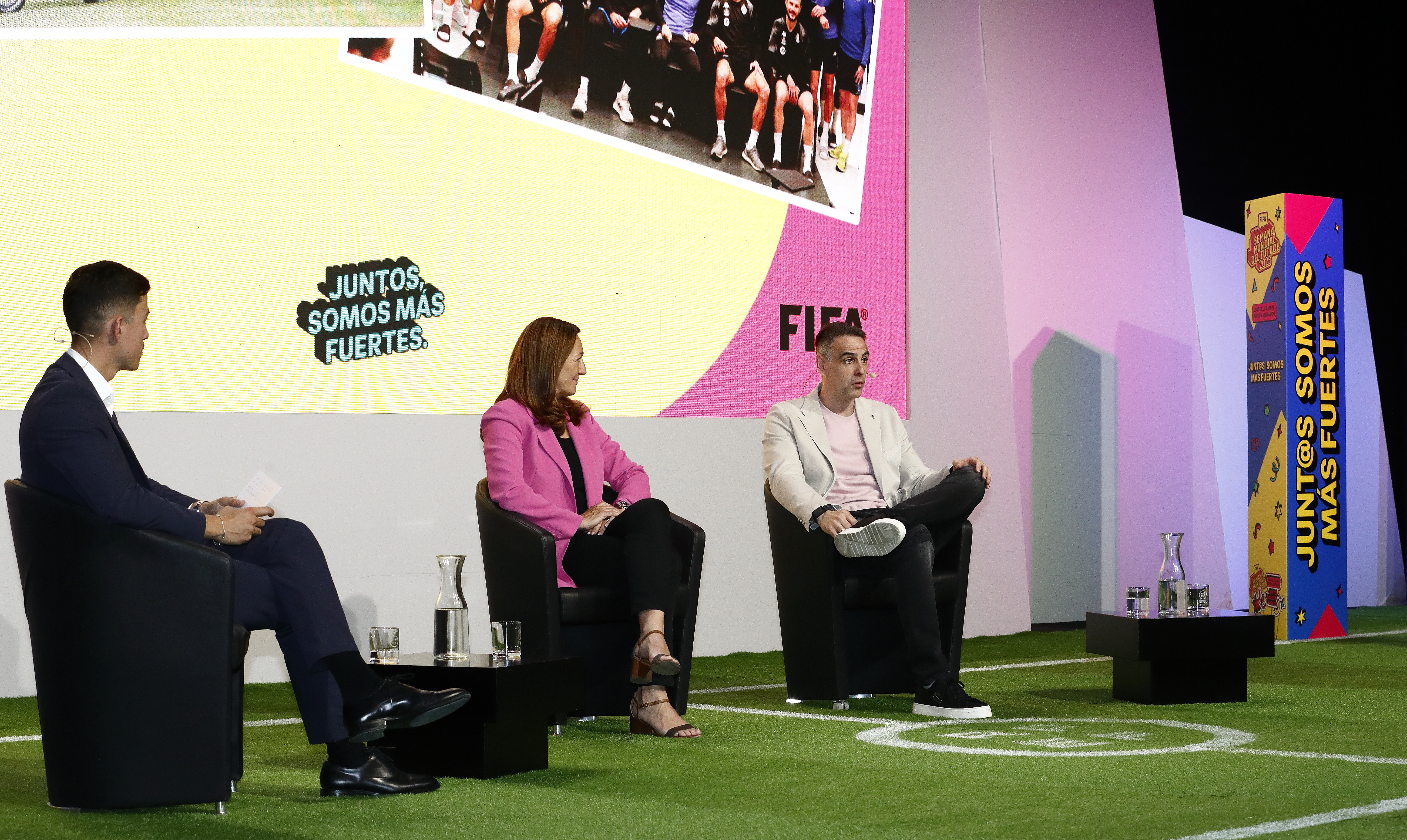
The Royal Spanish Football Federation held the event 'Together we are stronger' at the Ciudad del Fútbol in Las Rozas, as part of the 'World Football Week' promoted by FIFA. A unique occasion that has reaffirmed the role of football as a driver of positive social change. The initiative gathered over 200 attendees, including social organisations, educational centres, clubs, athletes, and institutional representatives.
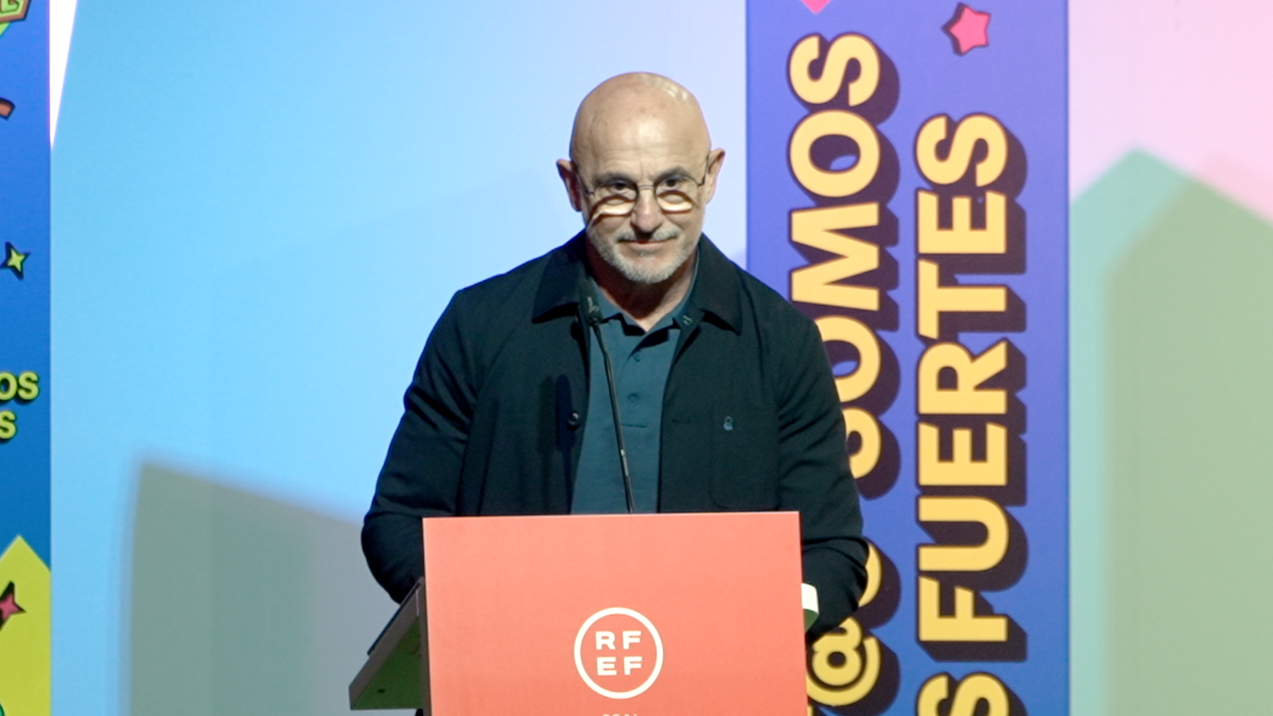
The event was inaugurated by the national coach, Luis de la Fuente, who highlighted football's ability to break down barriers and build bridges.
Luis de la Fuente: “Today we are not just talking about sport, we are talking about humanity, about opportunities and hope. Football is a powerful tool when placed at the service of people.”
The programme was structured around four main blocks which, in a dynamic and emotional way, connected theory with real-life experiences from the sport-social environment.
Integration: football as a bridge between cultures and communities
The first block gave voice to role models such as Dolores Galindo, president of Dragones de Lavapiés, and two footballers from the Spanish Refugee National Team, Mamadou Traoré and Oualid Shamou. In their stories, it becomes clear how football can become a place of welcome, belonging, and identity-building for people in vulnerable situations. The testimonies of the refugees put a face to a reality often silenced, reminding us that integration also takes place on the pitch.
Equality: women and football, overcoming barriers
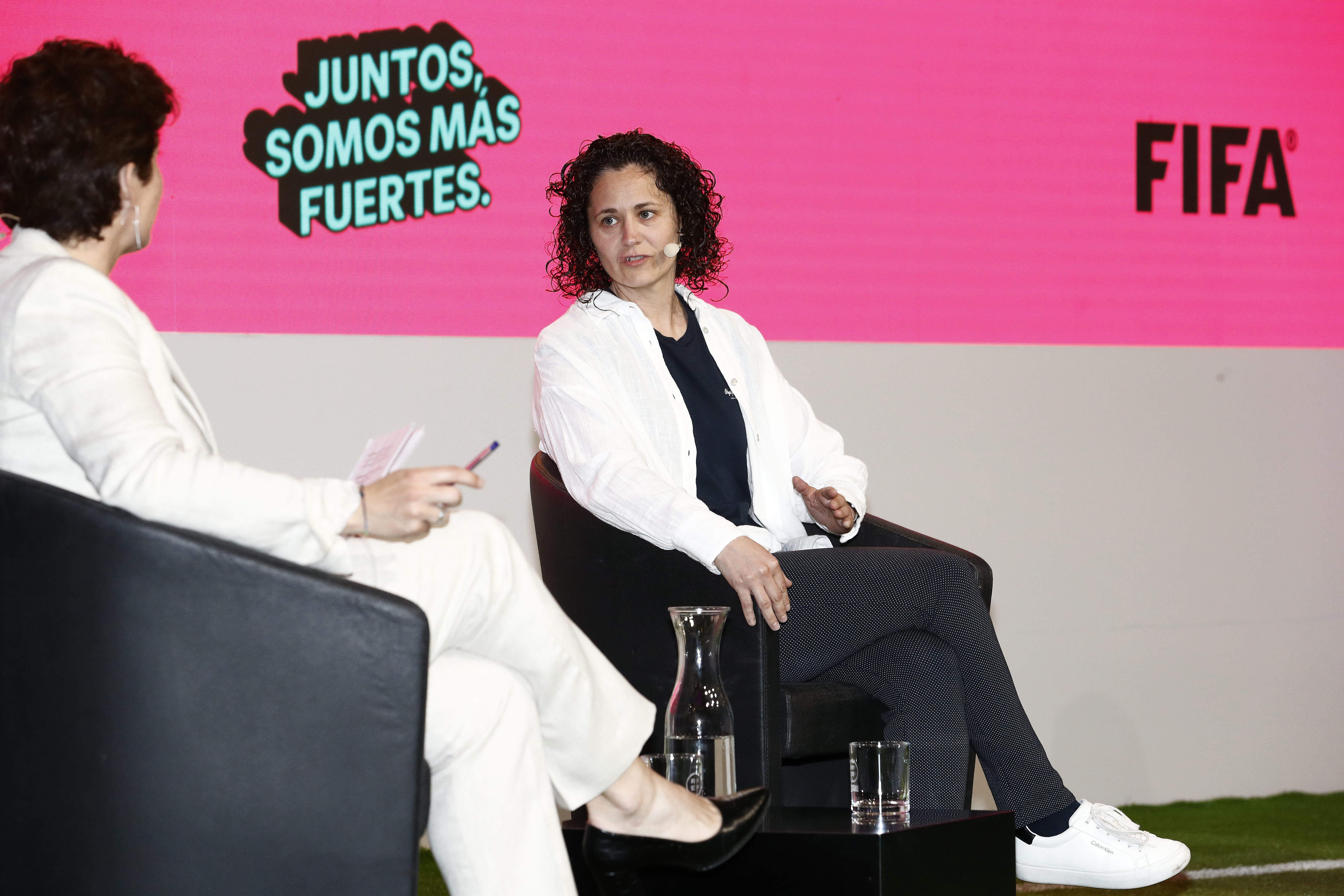
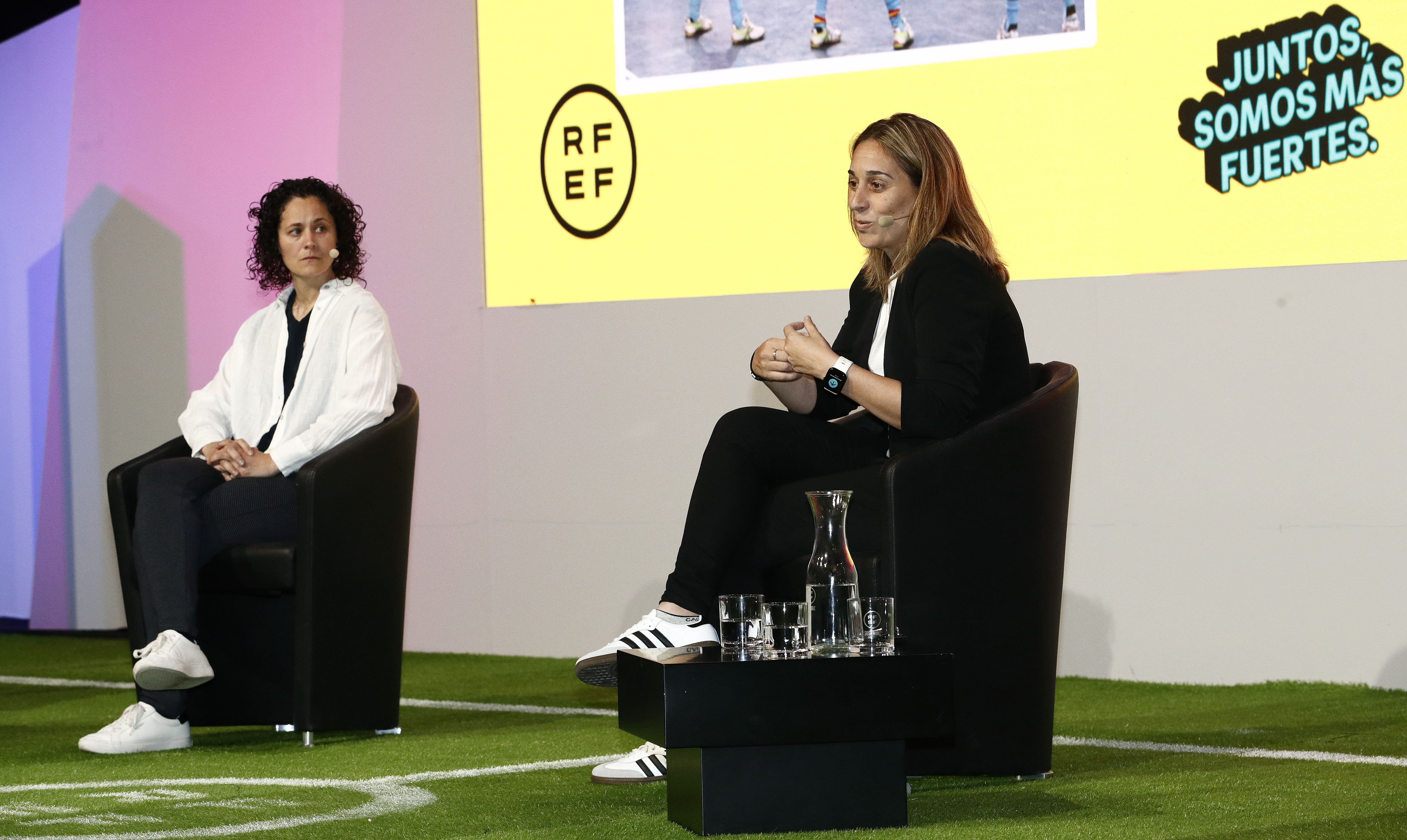
Secondly, two key figures in women’s futsal took the floor: Claudia Pons, national coach, and Natalia Flores, former international player and current director of the Women and Sport programme at the CSD. Both shared progress made, challenges, and proposals to continue advancing effective equality between men and women at all levels of sport. Their dialogue was a call to continue breaking glass ceilings that remain and making female role models ever more visible on and off the field.
Inclusion: sport as an opportunity for functional diversity
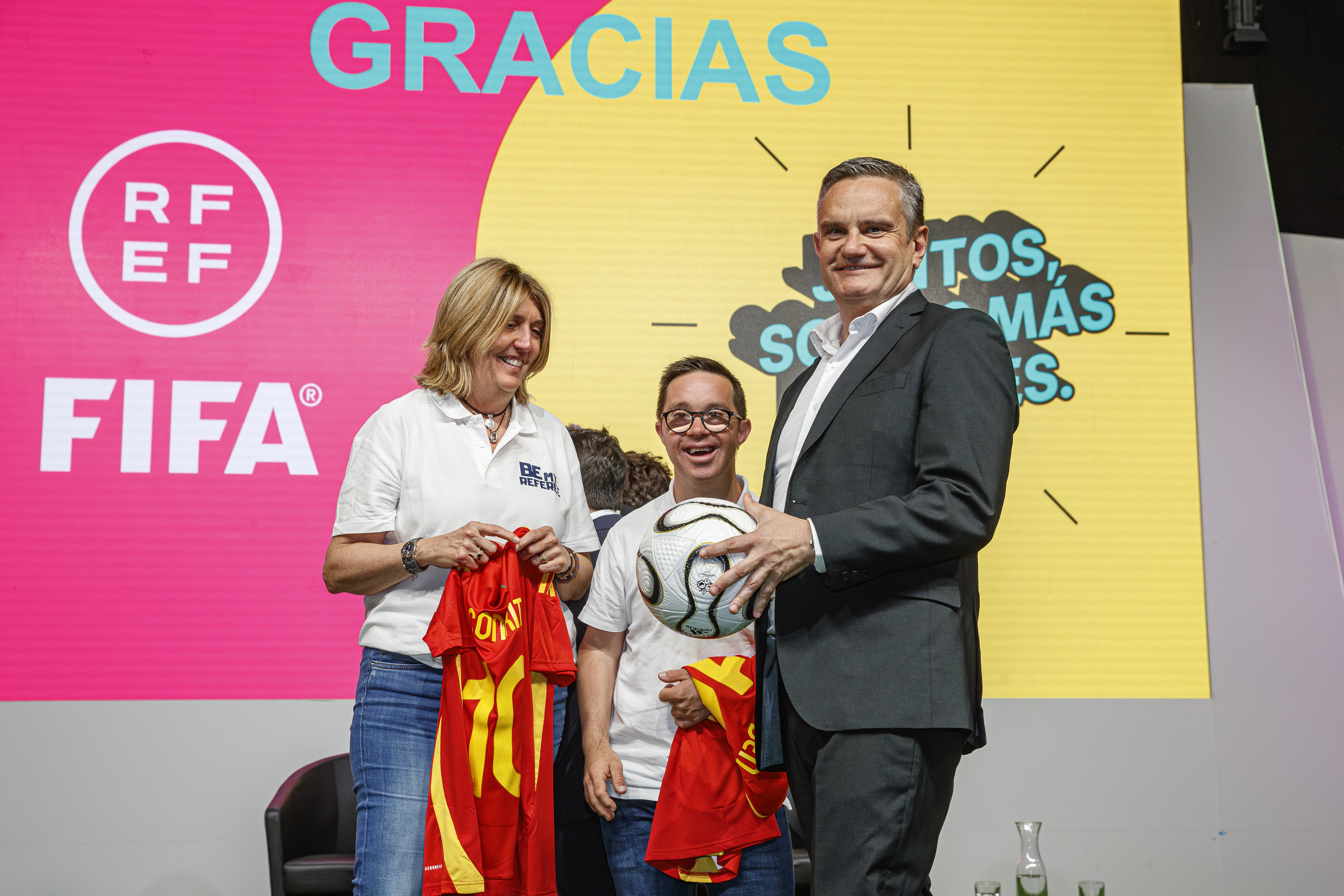
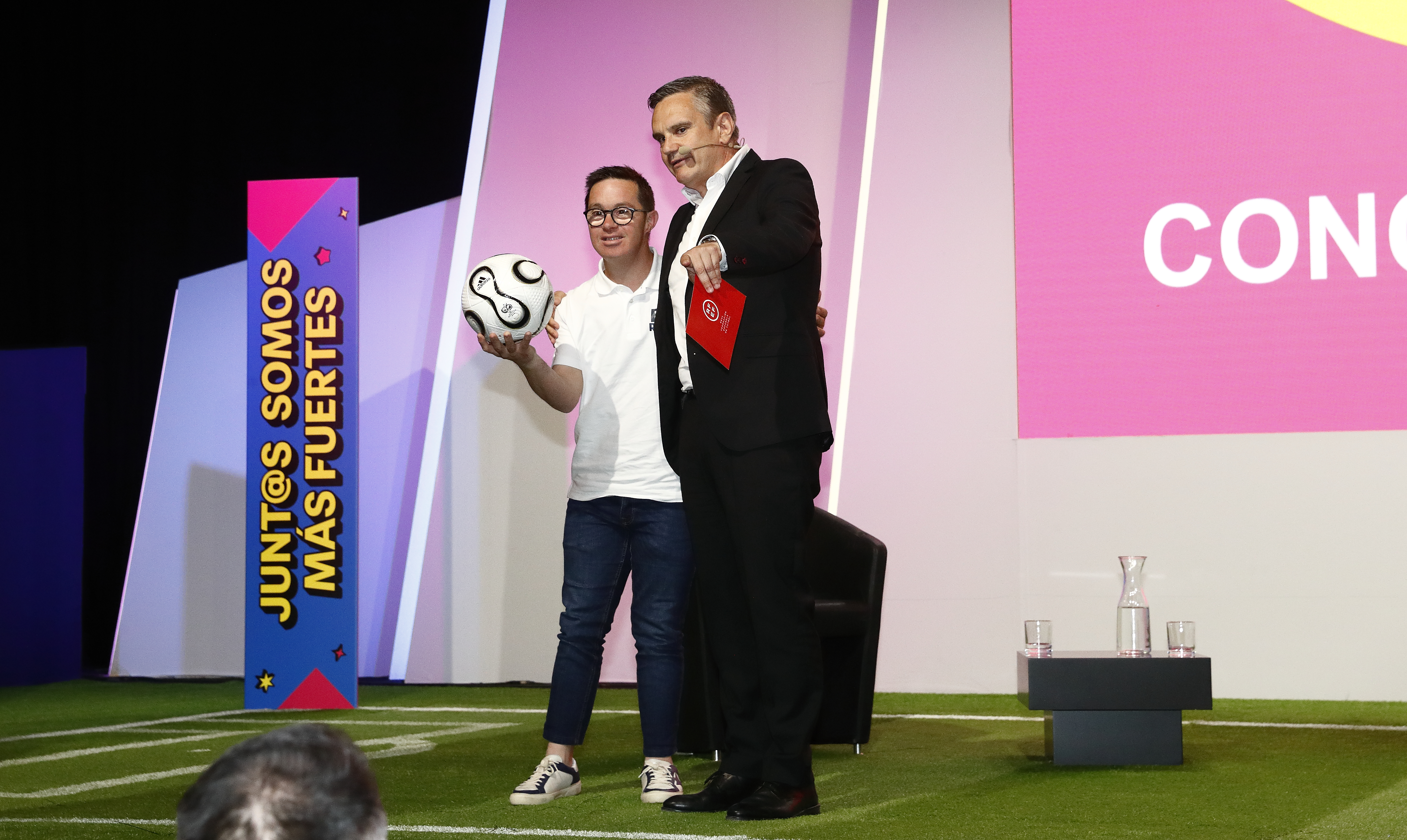
The inclusion block moved all those present. Conxita Esteve, director of AGF Genuine Experience and member of the RFEF Board of Directors, stressed the importance of creating accessible and adapted environments. Alongside her, Rubén Almazán, participant in the Be My Referee project, shared an inspiring testimony about overcoming obstacles and the value of feeling part of football, which is his true passion. A demonstration that football can also be a space of dignity and empowerment for people with diverse abilities.
Mental health: taking care of ourselves on and off the pitch
The final block tackled one of the most pressing issues in sport today: mental health. In an intimate and reflective atmosphere, Javier López-Vallejo, psychologist for the Spanish national football team, and Lola Fernández-Ochoa, president of the Blanca Foundation, focused on the need to talk about, support, and normalise emotional care in elite and grassroots sport. “We train the body, but often forget to look after the mind. Emotional wellbeing can no longer remain a taboo topic in sport,” highlighted Fernández-Ochoa.
The closing of the event left a clear message: football is much more than competition; it is a universal language that, when well managed, has the power to transform realities. The RFEF thus renews its commitment to a more humane, accessible, equal, and inclusive model of sport.
With the success of this event, the Federation sets a precedent for future initiatives that reinforce the role of football as a space for social cohesion. Because when sport aligns with positive social values, we all come out winners.
More related news
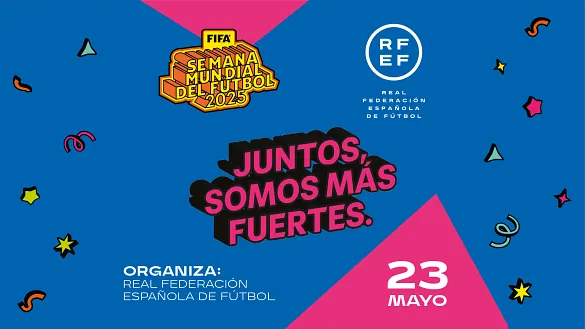
La semana culminará el viernes 23 de mayo a partir de las 10.00 horas con la celebración de la jornada 'Juntos somos más fuertes' en la Ciudad del Fútbol de Las Rozas