

Rafael Louzán Delivers Guest Lecture at the University of Navarra
The RFEF president addressed students from the Sport Management Club on the Pamplona campus.
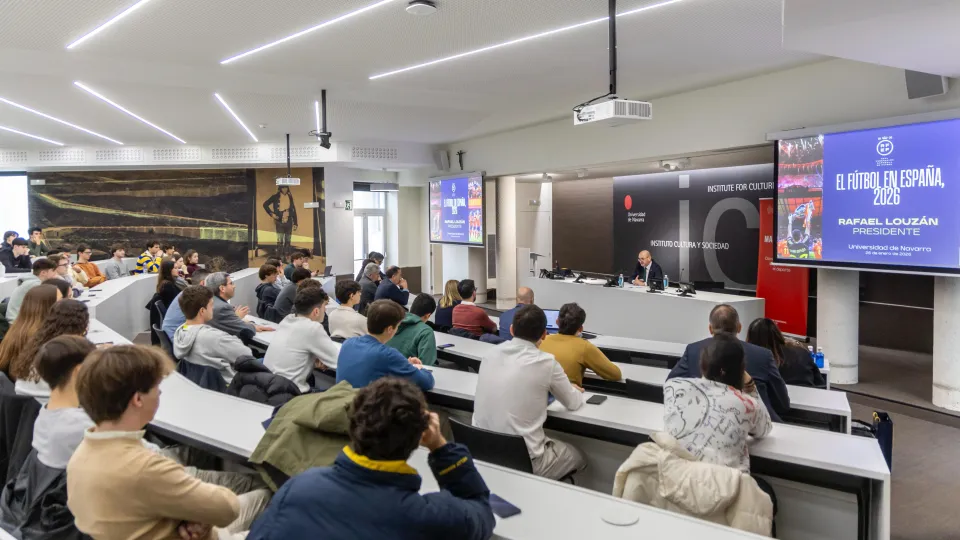
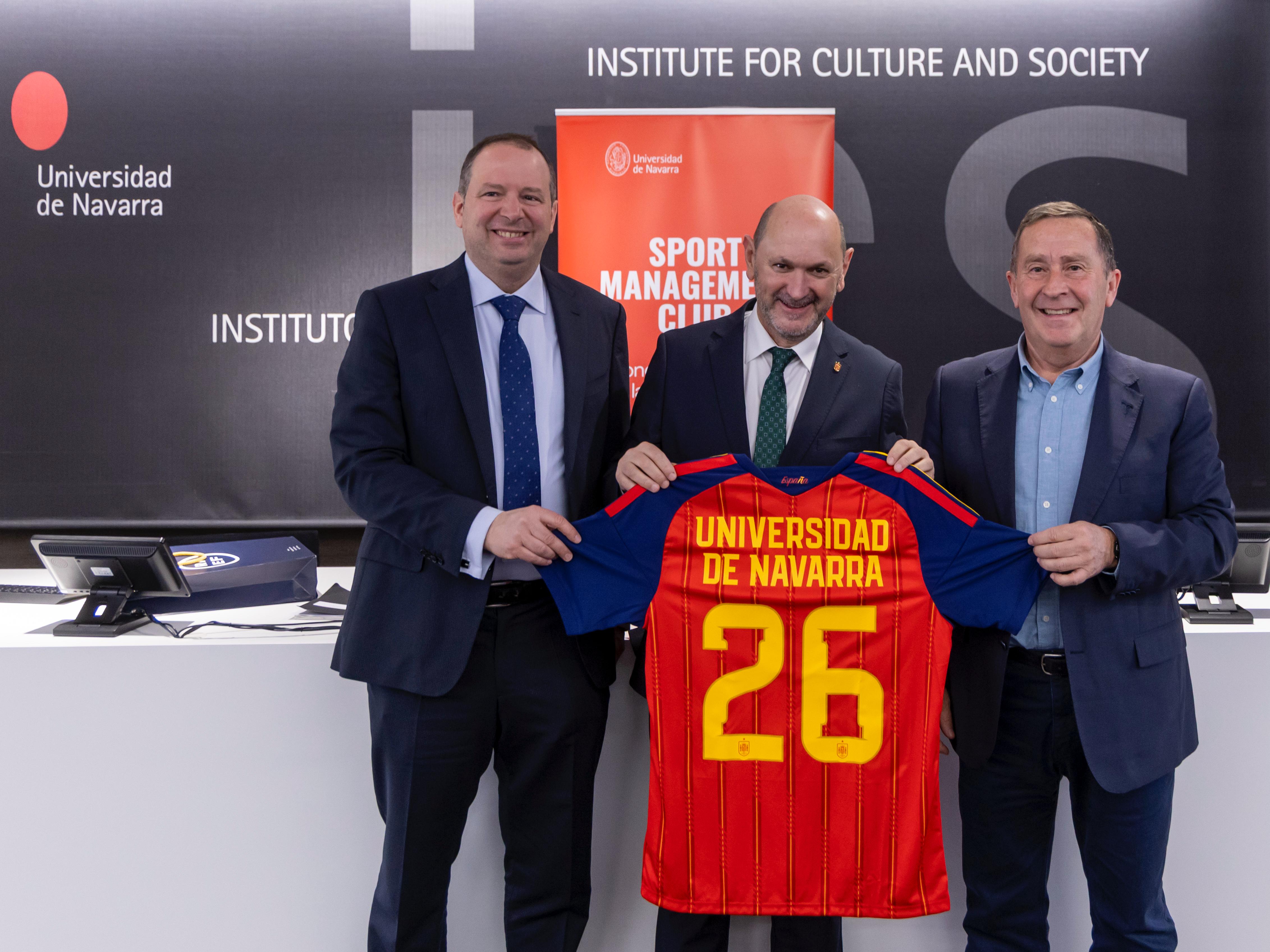
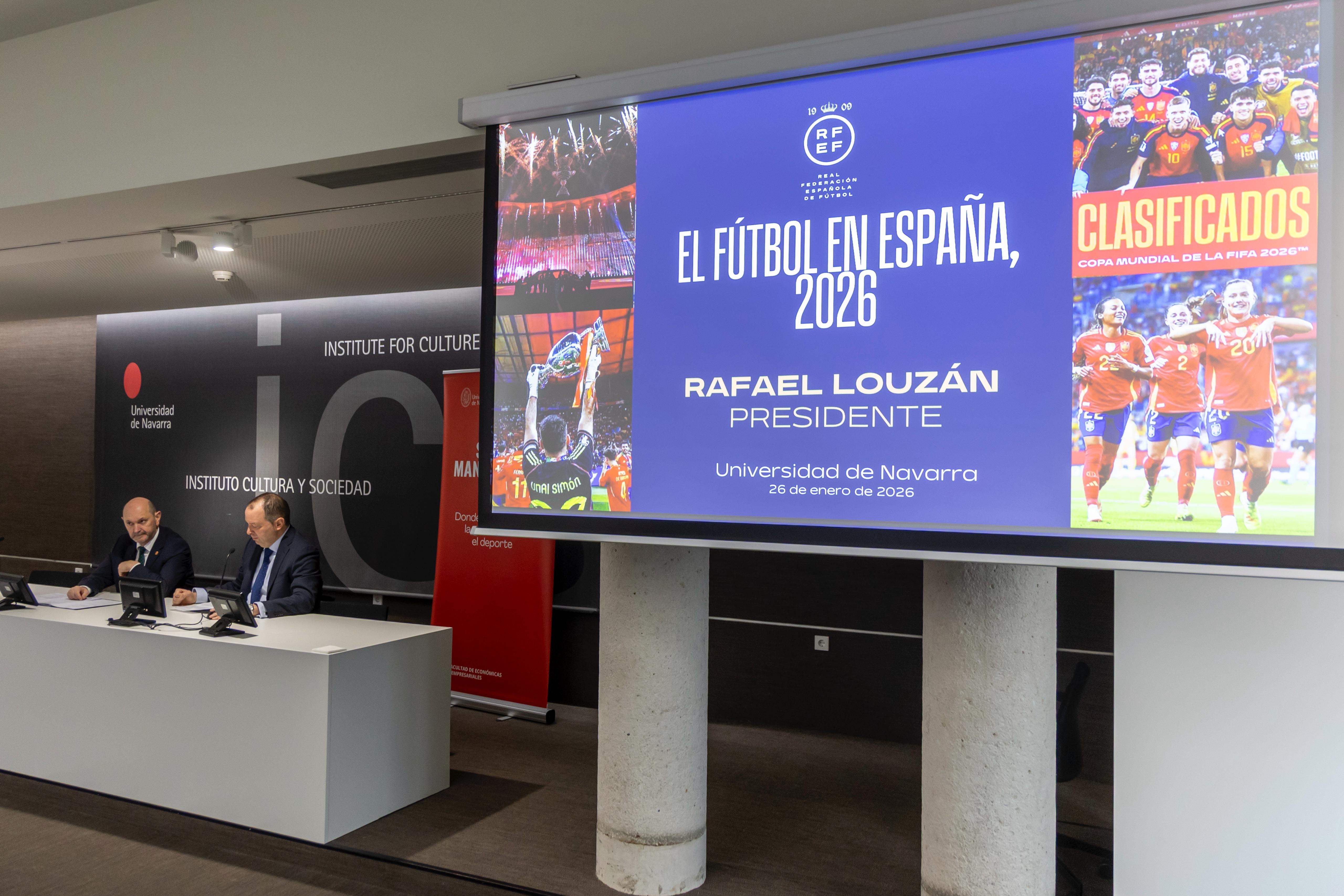
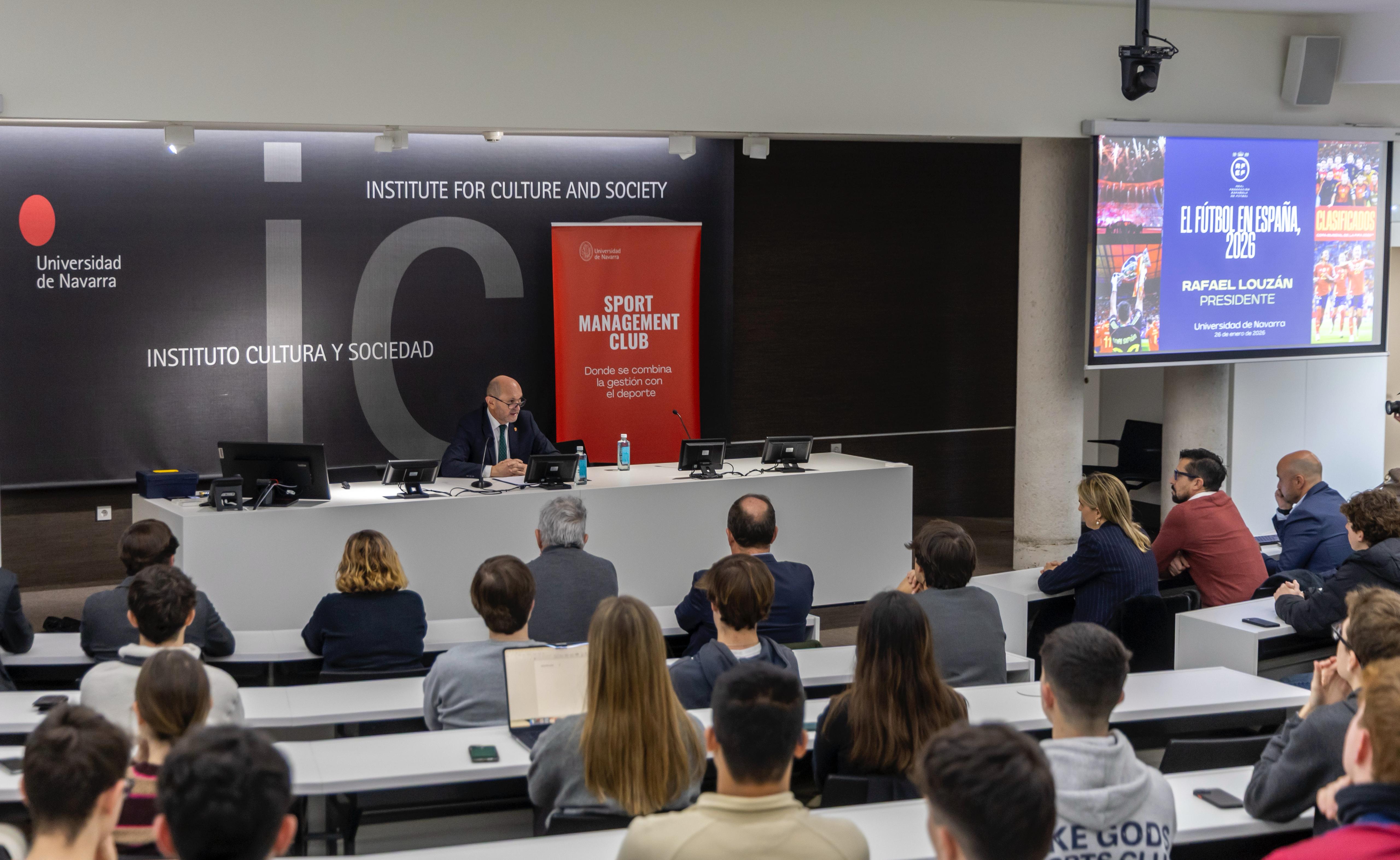
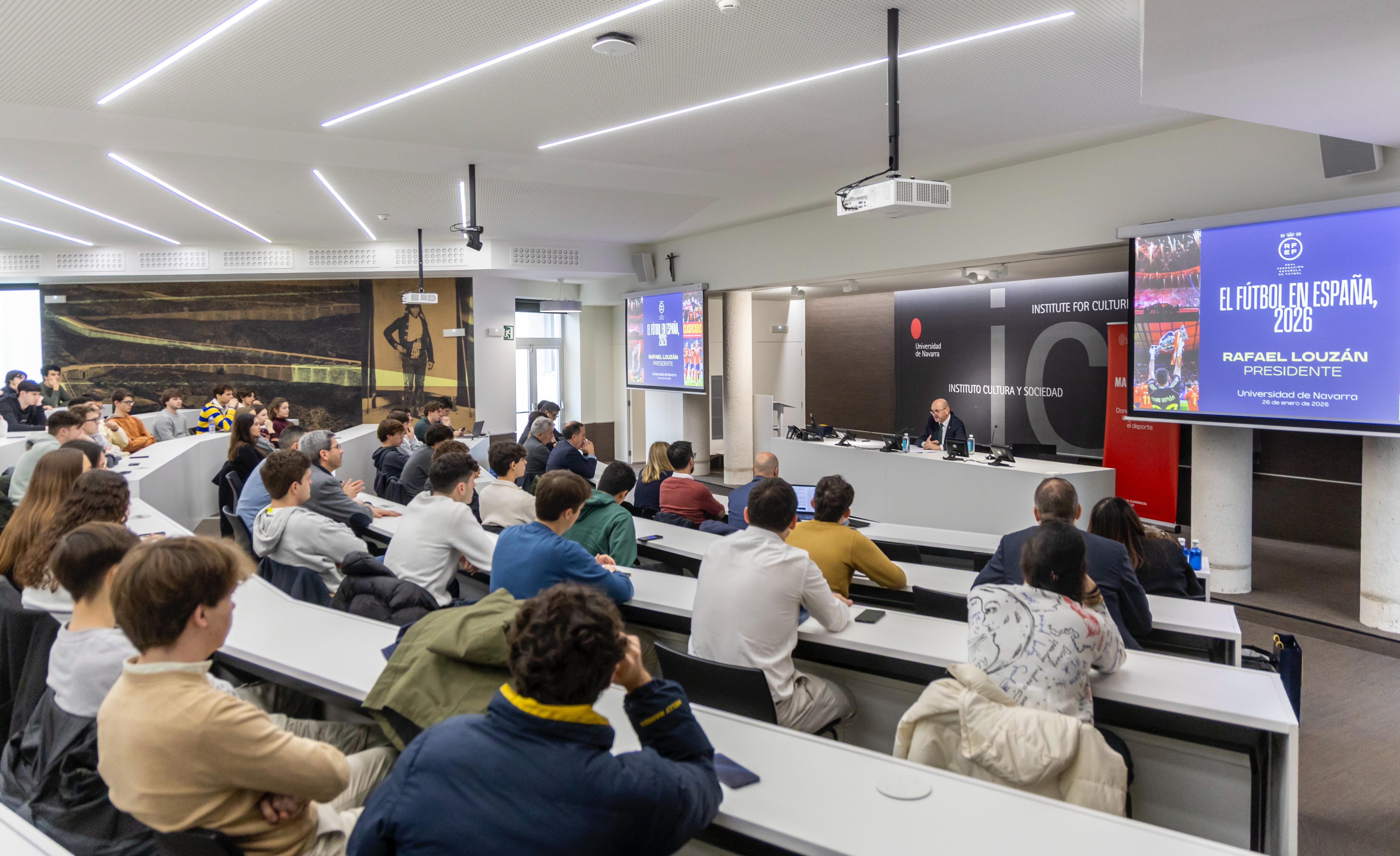
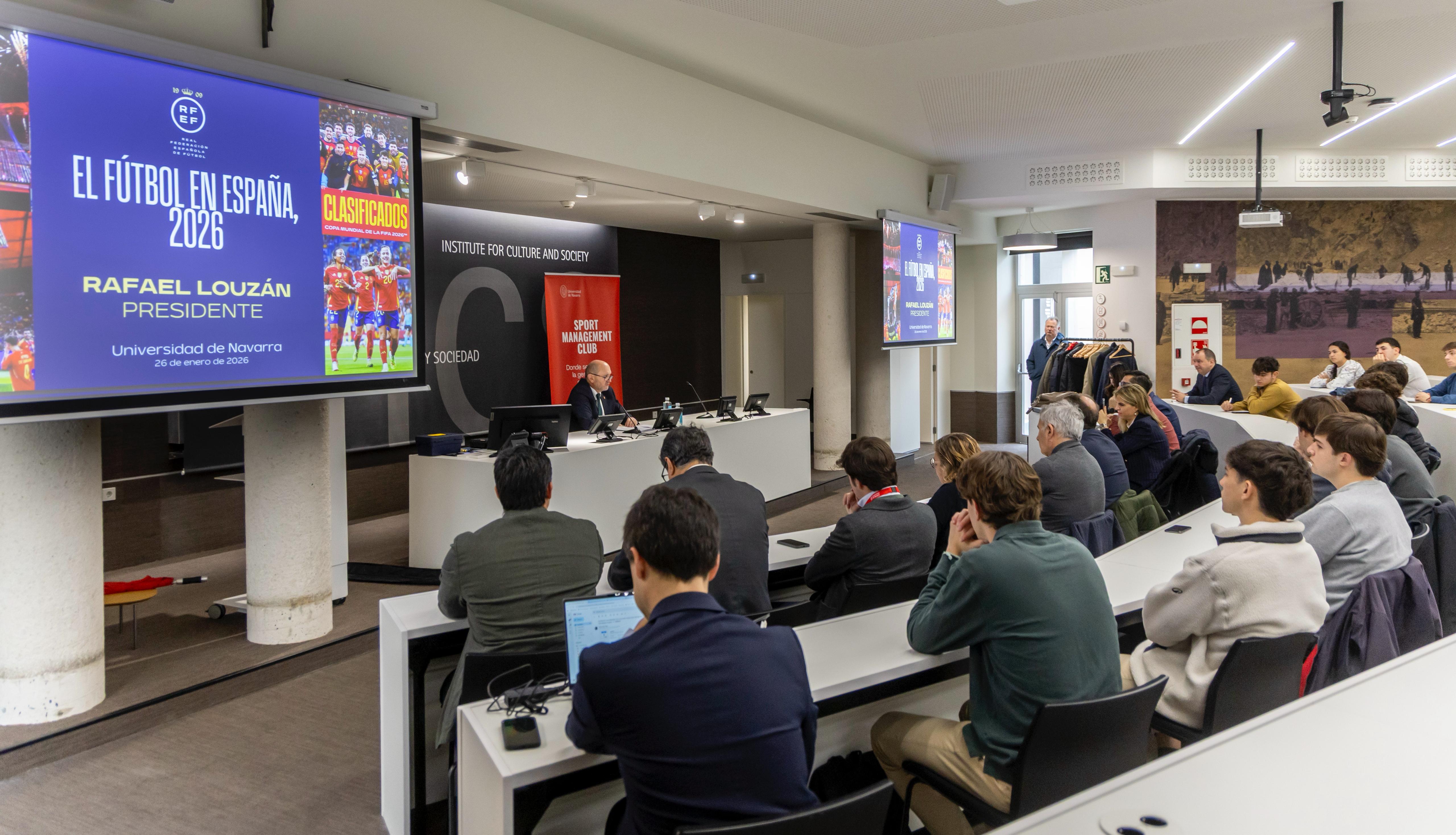
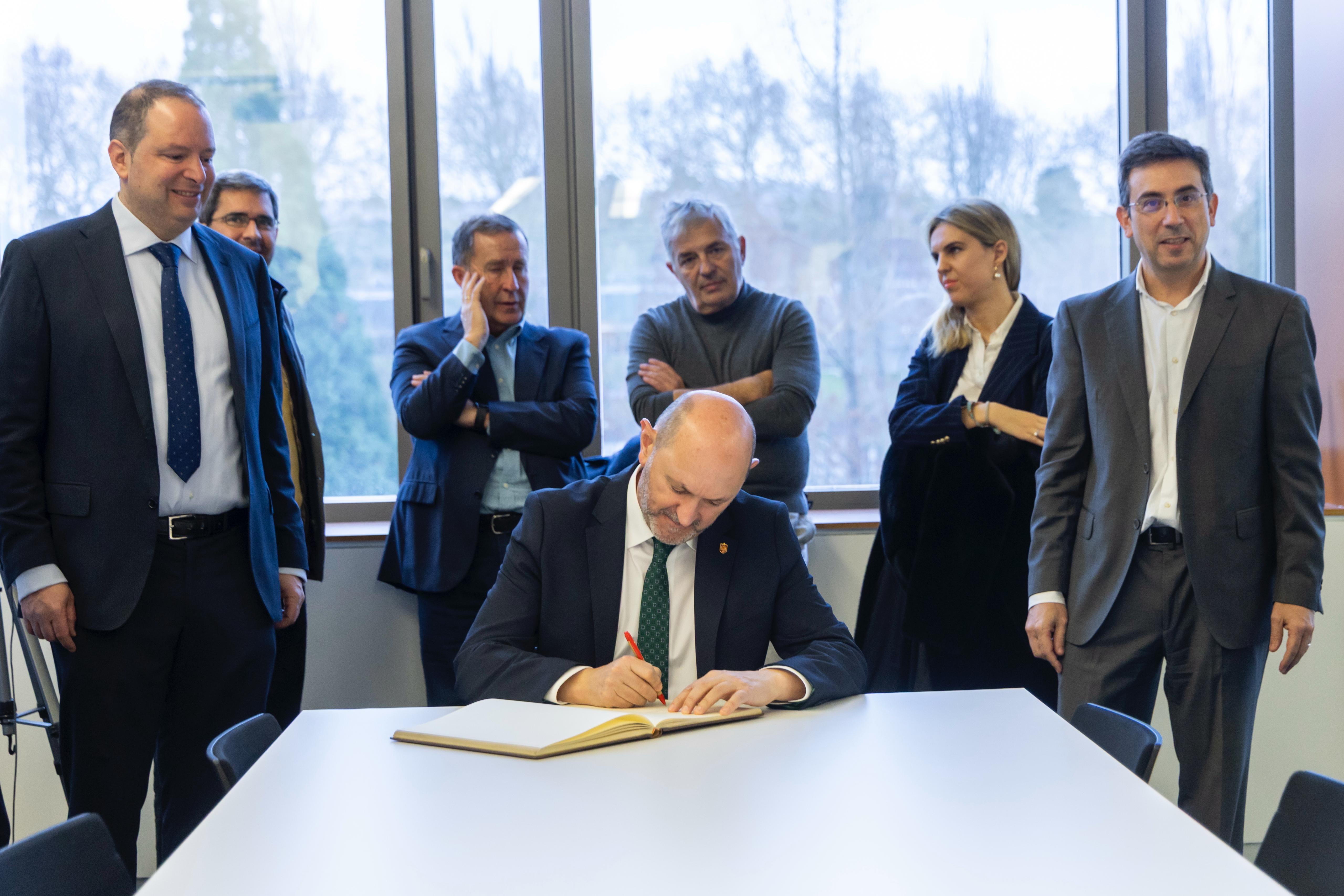
Spanish football took centre stage on Monday at the University of Navarra, where the President of the Royal Spanish Football Federation (RFEF), Rafael Louzán, delivered a keynote lecture as part of the academic programme of the Sport Management Club run by the Faculty of Economics and Business.
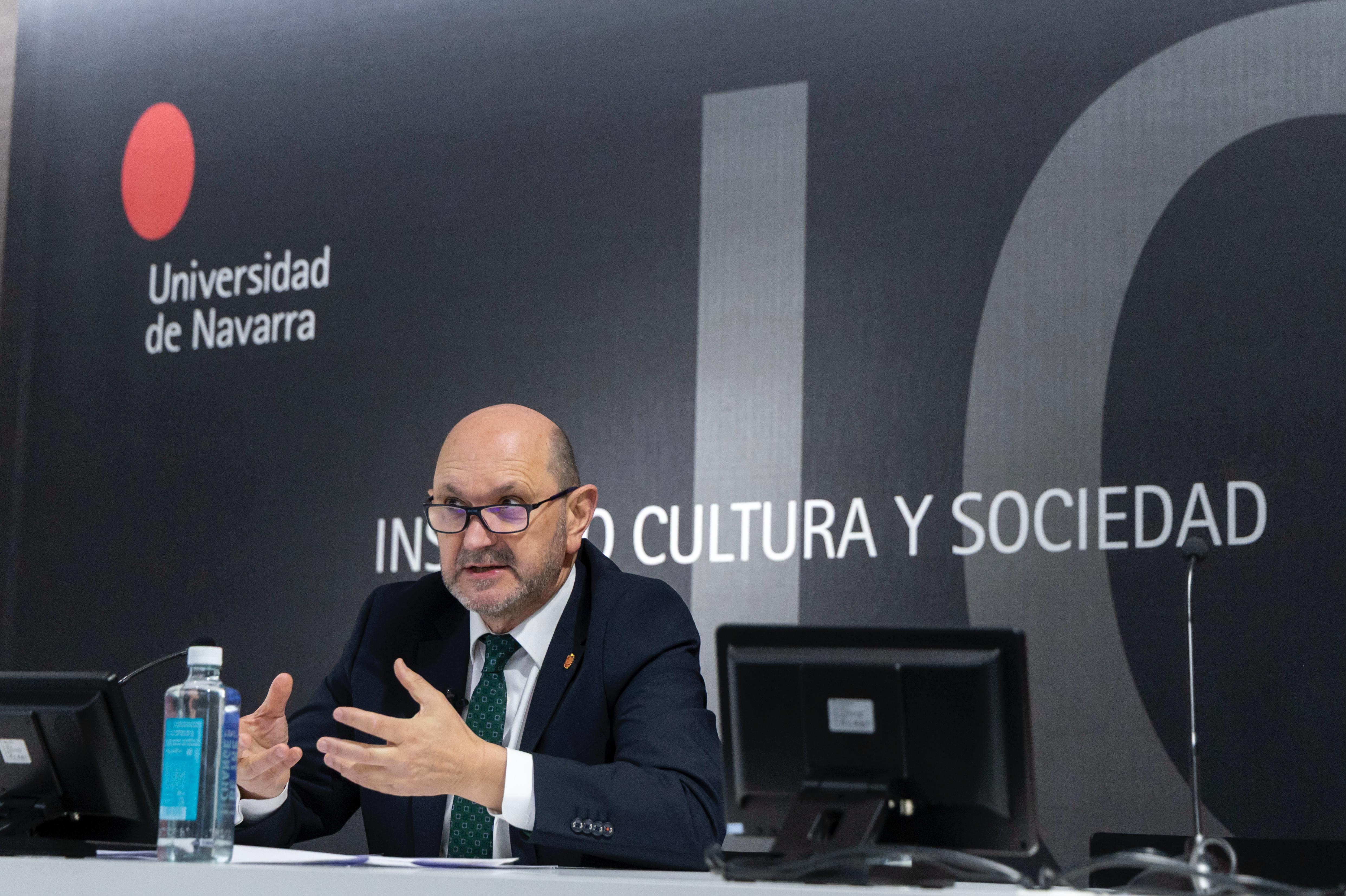
During his address, Louzán spoke to students about the scale and challenges of Spanish football, highlighting a year of management that signals a new era for the federation — one defined by trust, dialogue and institutional stability.
His presentation was framed by an exceptional sporting moment for Spain’s national teams, with both senior men’s and women’s sides currently leading the FIFA rankings as world number one. Louzán also looked ahead to the 2030 FIFA World Cup, which Spain is set to co-host alongside five other countries, in what will be the first World Cup in history to be staged across three different continents.
Among the figures shared by the RFEF president were the projected €5 billion economic impact of the 2030 World Cup in Spain, the €2.5 billion committed to upgrading sporting infrastructure ahead of the tournament, the €80 million economic boost generated for a host city by the Copa del Rey final, and the €26 million distributed to clubs across Spanish football from revenues generated by the Supercopa held in Saudi Arabia.
Louzán was accompanied by the President of the Navarre Football Federation, Rafael del Amo, as well as CA Osasuna’s Chief Executive Officer, Fran Canal, and Raquel Ruiz Fernández de Córdoba, a member of the RFEF Board of Directors. During his visit to the campus, Louzán was welcomed by Antonio Moreno, Dean of the Faculty of Economics and Business, and Javier Elizalde, Director of the Sport Management Club.
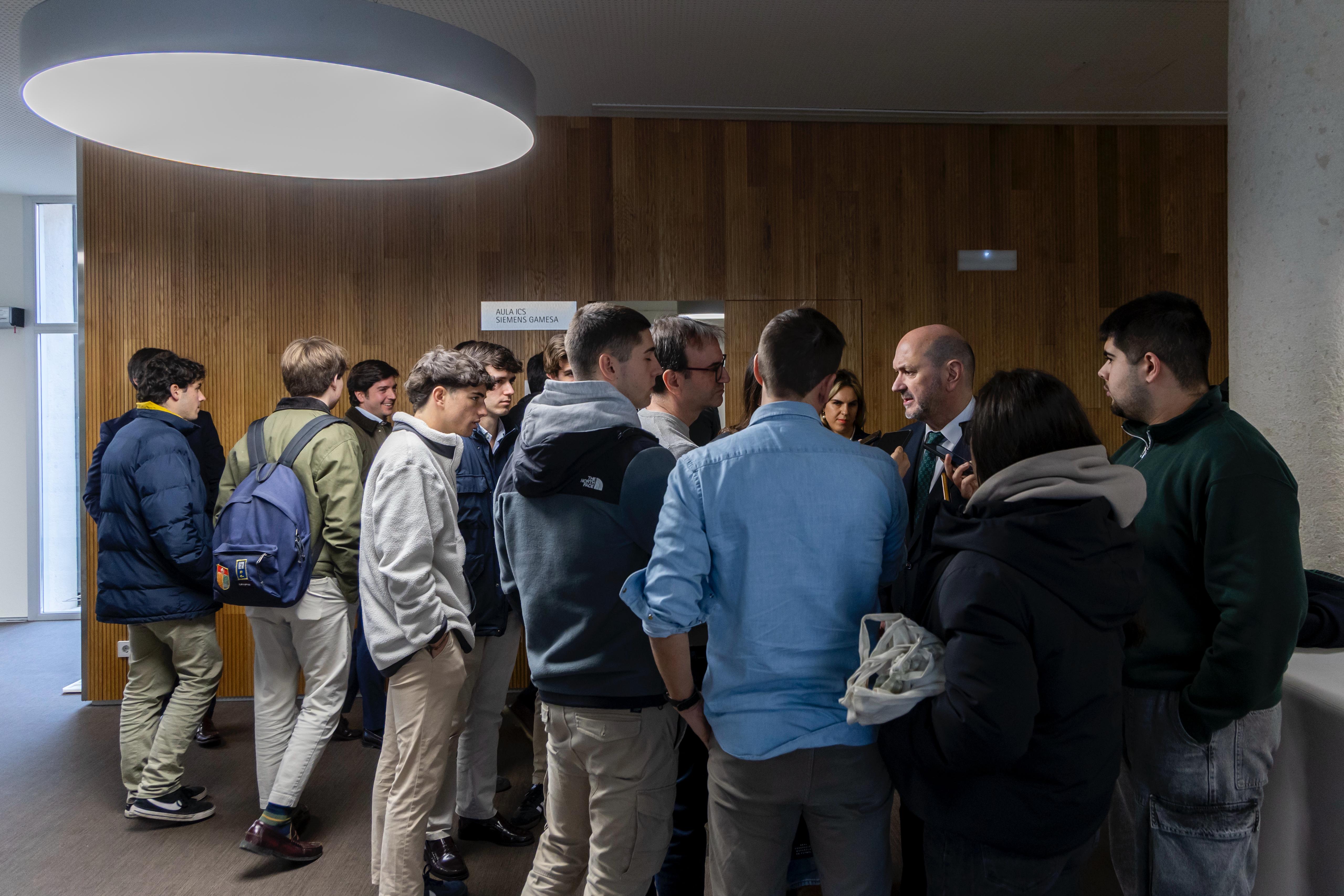
The visit also included a tour of the university’s sporting facilities, where the RFEF president had the opportunity to see the football pitches, the indoor sports hall and various areas of the University of Navarra campus.
More related news
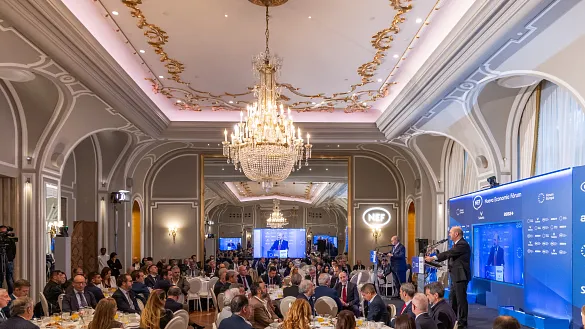
The president of the Royal Spanish Football Federation (RFEF), Rafael Louzán, outlined in his address the ongoing management efforts within the organization, with a clear focus on the 2030 FIFA World Cup: “We must seize this opportunity, because Spain and the Spanish people will be grateful for it,” he emphasized.
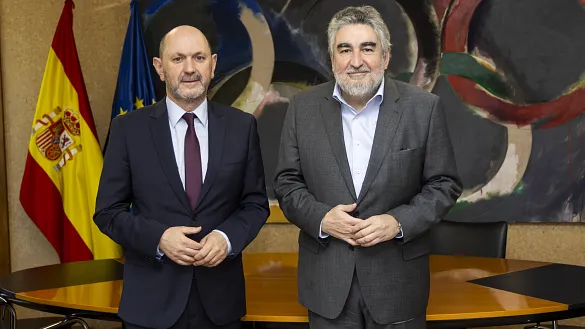
Rafael Louzán held a working meeting on Monday with the president of the Consejo Superior de Deportes during which he called for ‘collaboration, understanding and loyalty’ between the two bodies.
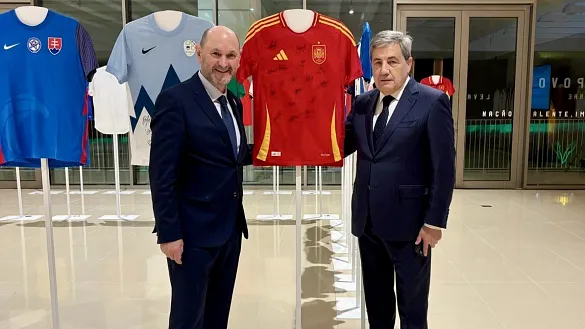
The RFEF president also held a meeting in Lisbon with UEFA president Aleksander Čeferin