
Rafael Louzán: "The 2030 FIFA World Cup Has Already Begun, and Spanish Football Will Lead Its Organisation"
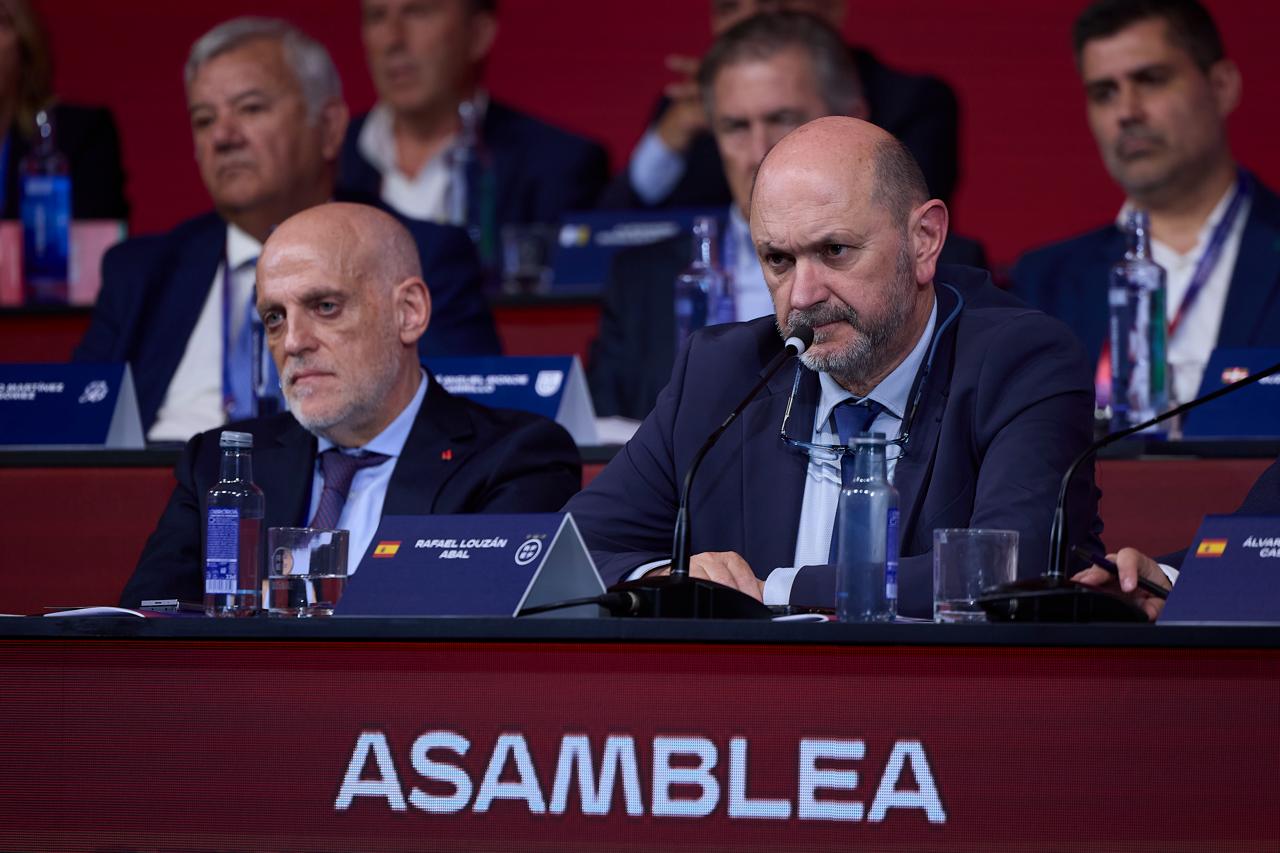
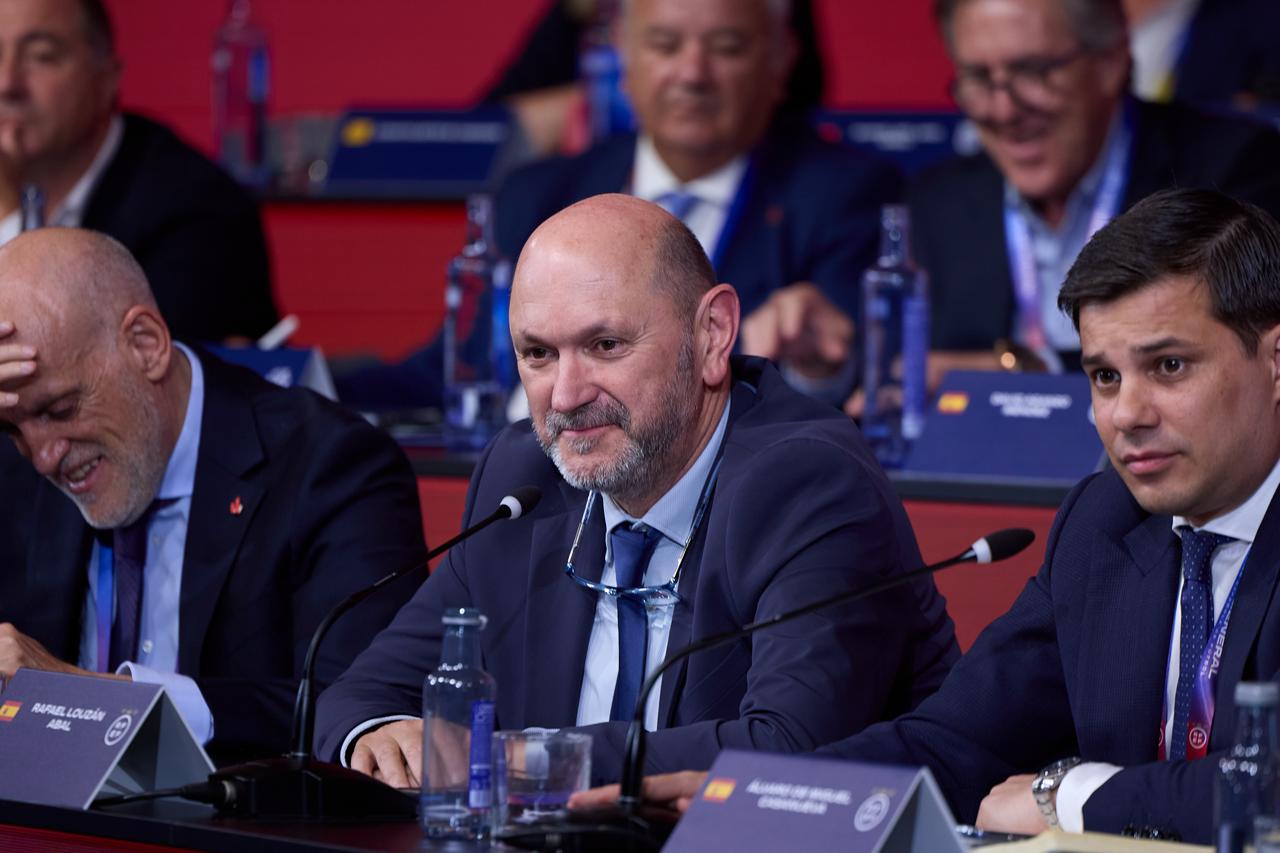
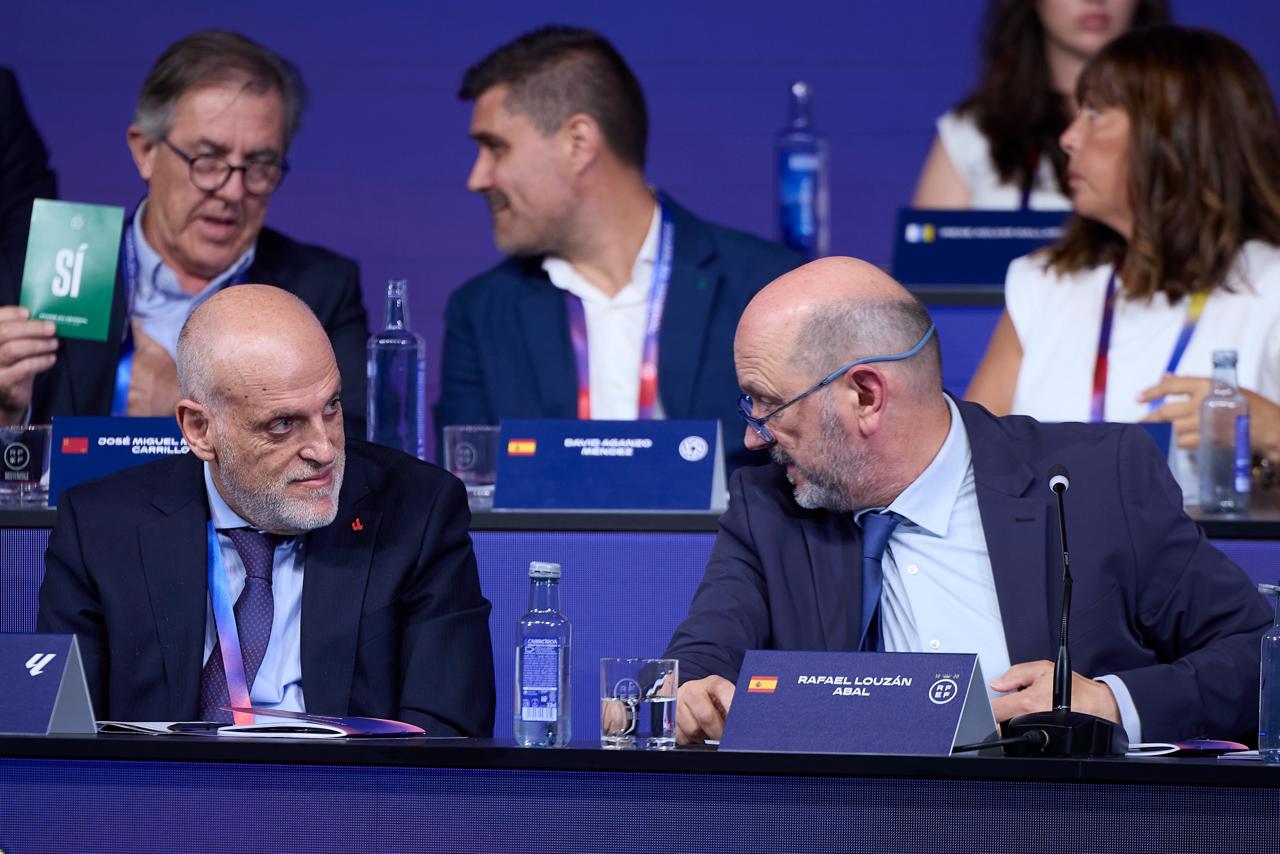
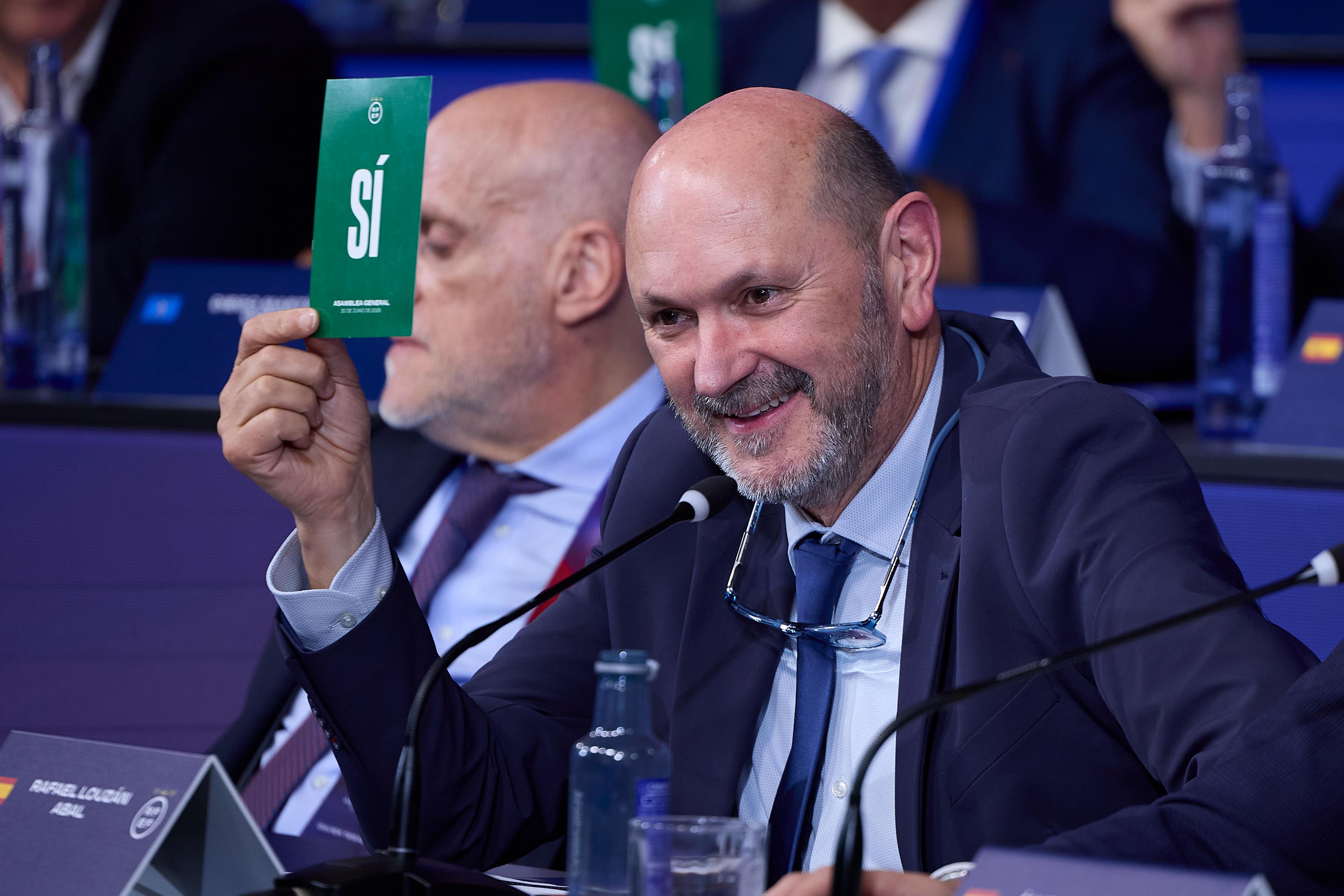
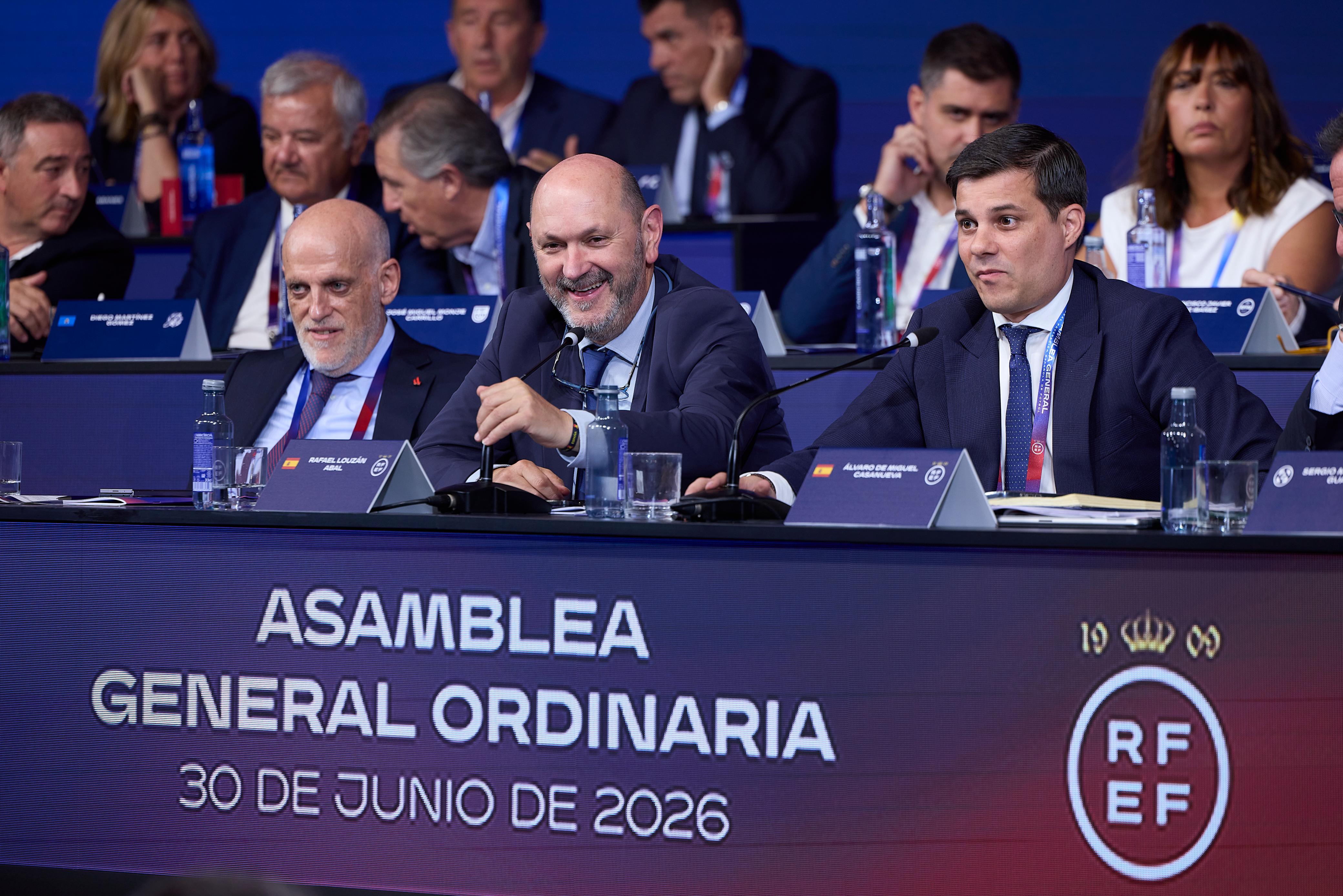
The RFEF President presented his season review to the General Assembly, outlining the Federation's achievements and the key challenges that lie ahead for Spanish football.
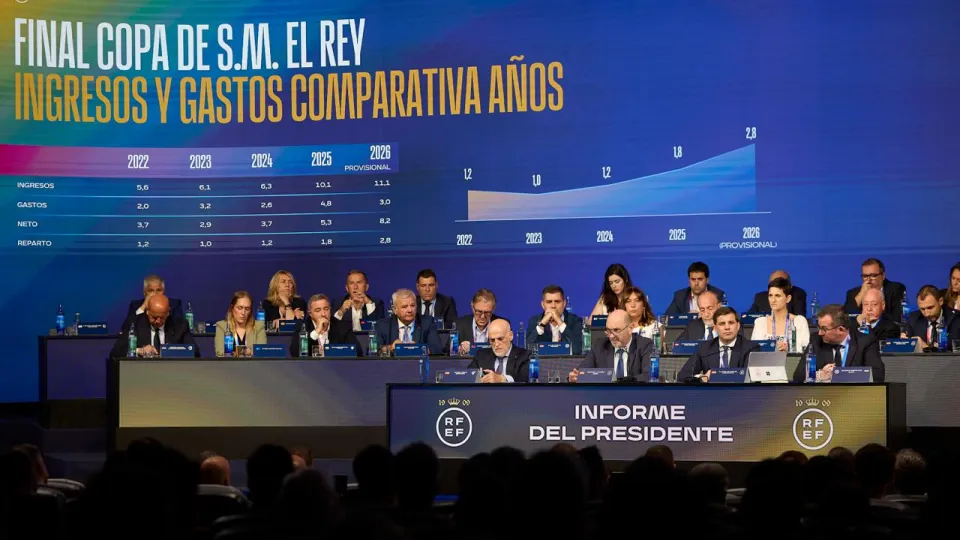
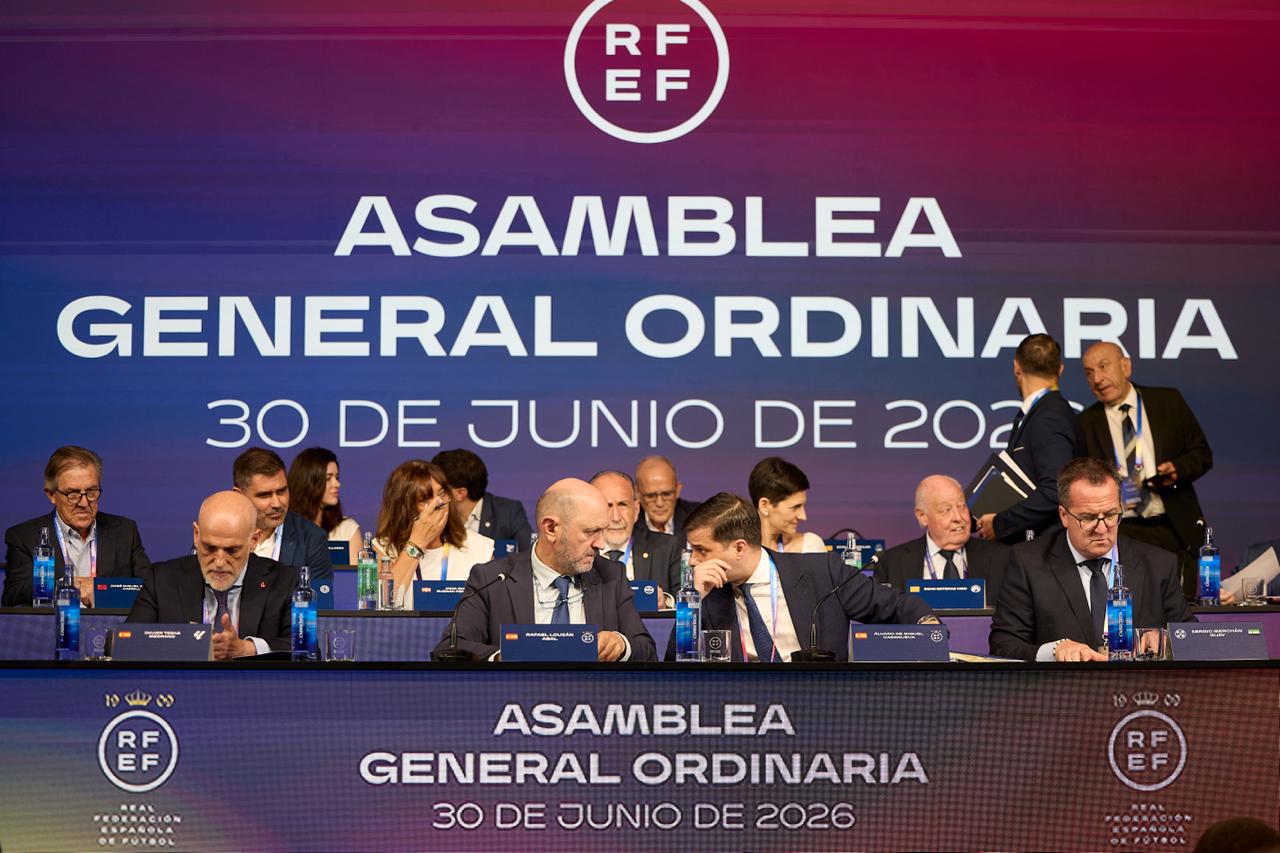
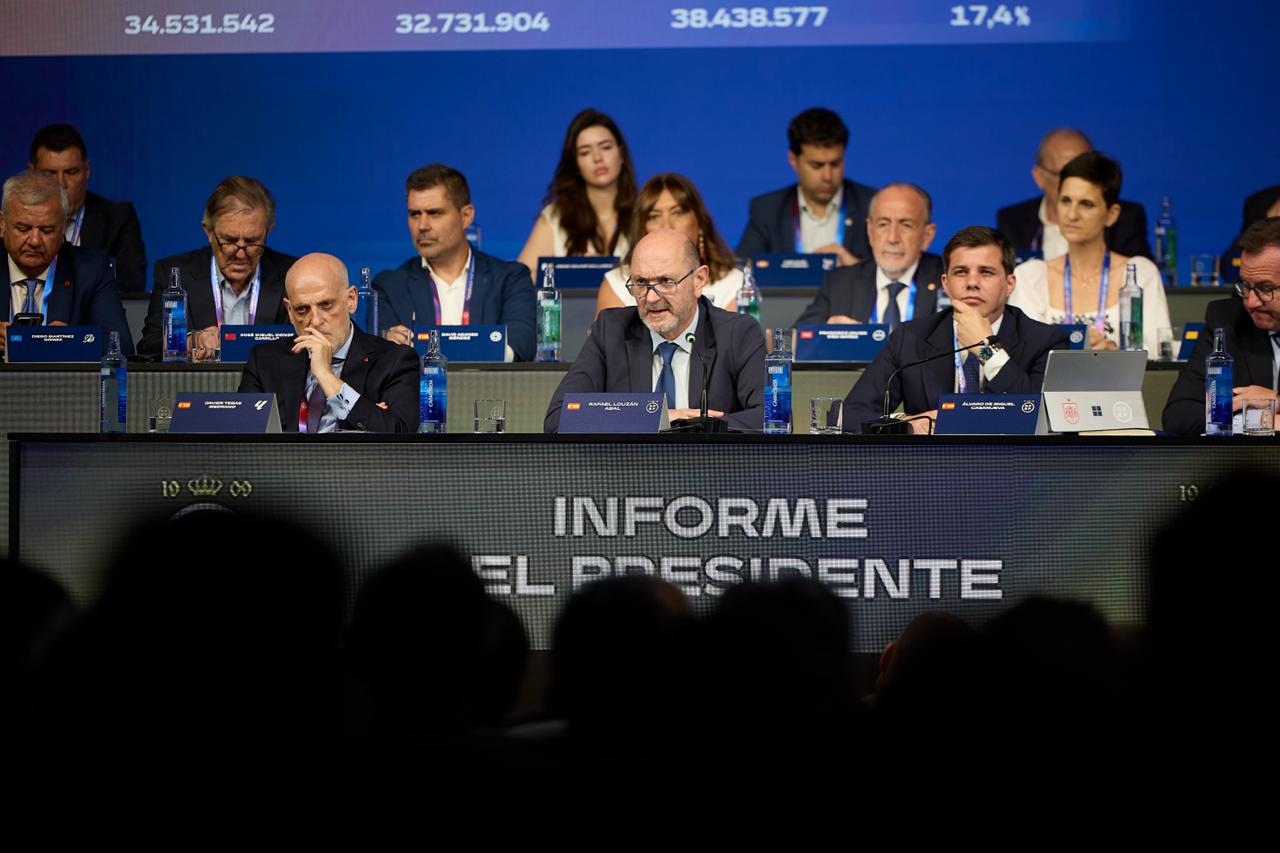
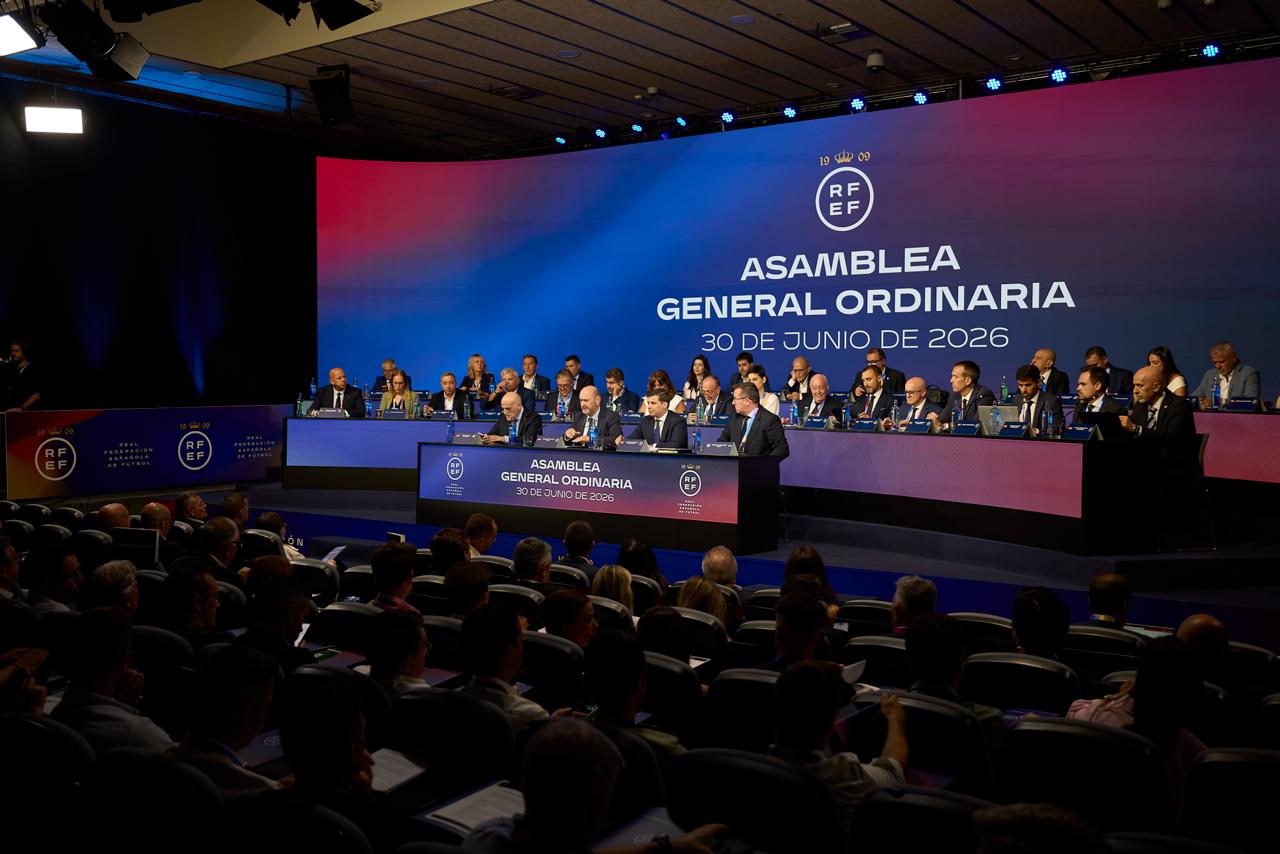
"We have brought football together and restored stability. From those solid foundations, we continue to grow and move forward." With these words, Rafael Louzán opened his address to the Royal Spanish Football Federation (RFEF) General Assembly, delivering a comprehensive review of the reforms, initiatives and commitments implemented throughout the 2025/26 season—the first full football campaign since his election as RFEF President.
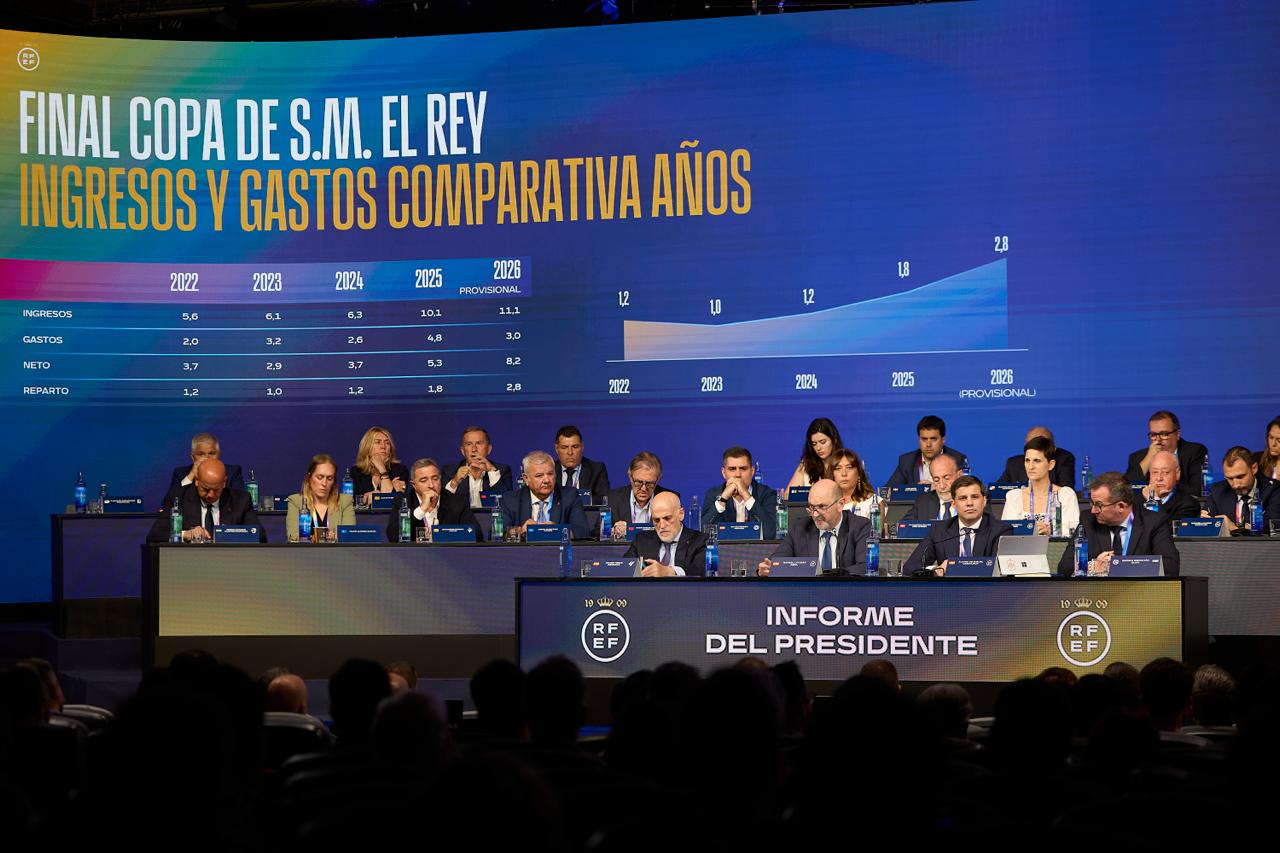
Louzán began by highlighting the Federation's improving financial outlook, explaining how increased revenues are strengthening Spanish football at every level. He pointed to the positive impact of entrusting LALIGA with the audiovisual rights for the Copa del Rey, alongside the continued success of the Spanish Super Cup and increased revenues generated by the Copa del Rey Final.
"We want the 2030 FIFA World Cup to be the best in history."
The President also outlined the Federation's long-term infrastructure projects, including the ongoing redevelopment of the Ciudad del Fútbol, which will expand the Federation's future capacity, and plans for a new permanent RFEF headquarters in Madrid to reinforce its institutional presence in the Spanish capital.
He also highlighted significant progress in governance, regulatory compliance and stadium classification, describing these reforms as the foundations upon which the Federation has strengthened Spanish football during the past year.
"The confidence we are projecting is also reflected in the growing interest—both inside and outside football, and both in Spain and internationally—in working more closely with the Spanish Football Federation. Our relationships with public institutions have enabled agreements of enormous value for Spanish football. Today, local councils, regional governments, ministries and the national government are genuine partners in organising our competitions and events."
The Federation's growing public profile was another key theme of Louzán's presentation.
"The RFEF's social media platforms now have more than 30 million followers."
"The general public has rediscovered its enthusiasm for our national teams and our competitions."
Turning to sporting matters, Louzán emphasised that the Federation's competitions are increasingly shaped through consultation with the football community.
"The RFEF's competitions will continue to evolve according to the wishes of the clubs that participate in them. That has been clearly demonstrated throughout this season."
He cited Foro 26, which brought together more than 300 representatives from regional federations, clubs, leagues and players' unions, as an example of the collaborative approach now guiding decision-making. He also highlighted the successful Copa del Rey format changes, increased attendances throughout the competition, improvements in daily collaboration with clubs, the modernisation of competition trophies and plans to further develop youth competitions and implement stadium classification across national competitions during the upcoming season.
Continuing the Modernisation of Refereeing
Louzán also praised the work carried out over the past year by the Technical Committee of Referees (CTA) in promoting greater respect for Spanish refereeing while delivering significant structural reforms.
Among the measures introduced during the season were:
- the creation of a dedicated VAR referee group;
- the removal of geographical restrictions in referee appointments;
- the introduction of the Football Video Support (FVS) system in Primera Federación and Liga F;
- and the signing of the first collective bargaining agreement for Spanish referees.
The RFEF President concluded that, while considerable progress has already been made, the Federation remains committed to further modernising refereeing as part of its wider strategy to strengthen Spanish football.
"The 2030 FIFA World Cup has already begun, and Spanish football will play a leading role in delivering it."
More related news
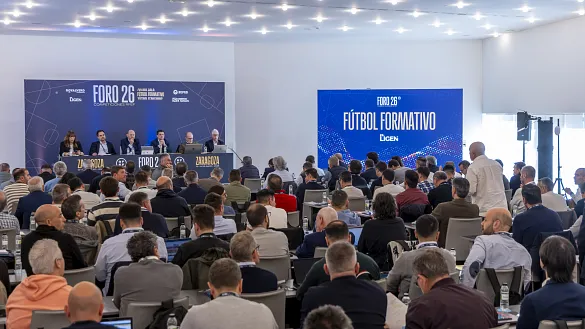
La capital aragonesa reúne desde este viernes a los representantes de todos los estamentos del fútbol español y a las delegaciones de las federaciones de ámbito autonómico para consensuar medidas que impulsen la mejora y la mayor inclusión en el deporte
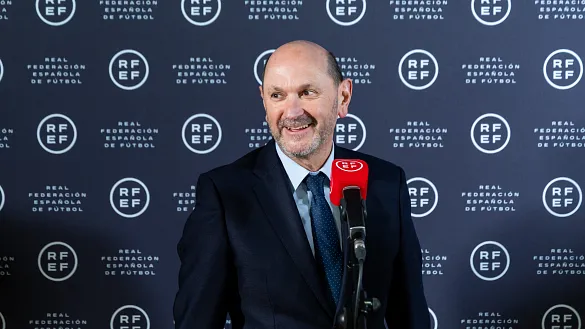
The president of the RFEF expressed his satisfaction with the meeting held this Thursday in Madrid with the representatives of the professional clubs and LaLiga.
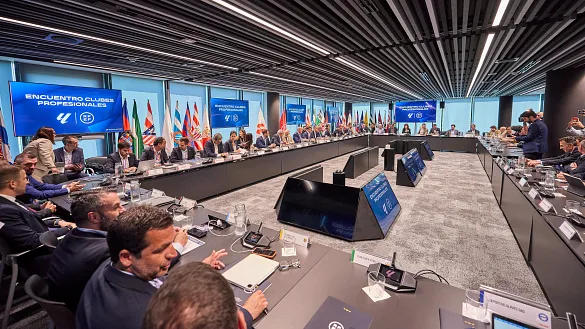
Rafael Louzán has called for LALIGA to become a permanent member of the Interministerial Committee for the Preparation and Organisation of the 2030 FIFA World Cup: "Working together is a responsibility we owe to the millions of supporters of Spanish football."
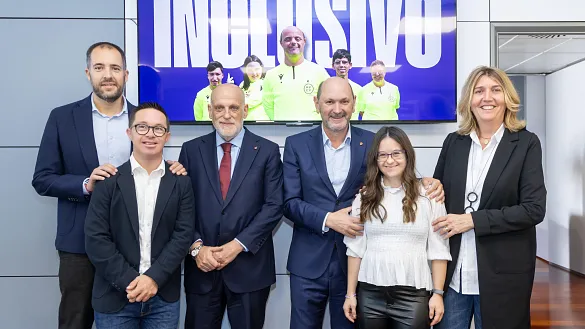
RFEF President Rafael Louzán met this Monday in Las Rozas with the associations and organizations involved in this pilot project, which aims to open up the refereeing experience to people with different abilities.