

Rafael Louzán announces that the National Forum 26 Congress will give a voice to the future of Spanish football every two years
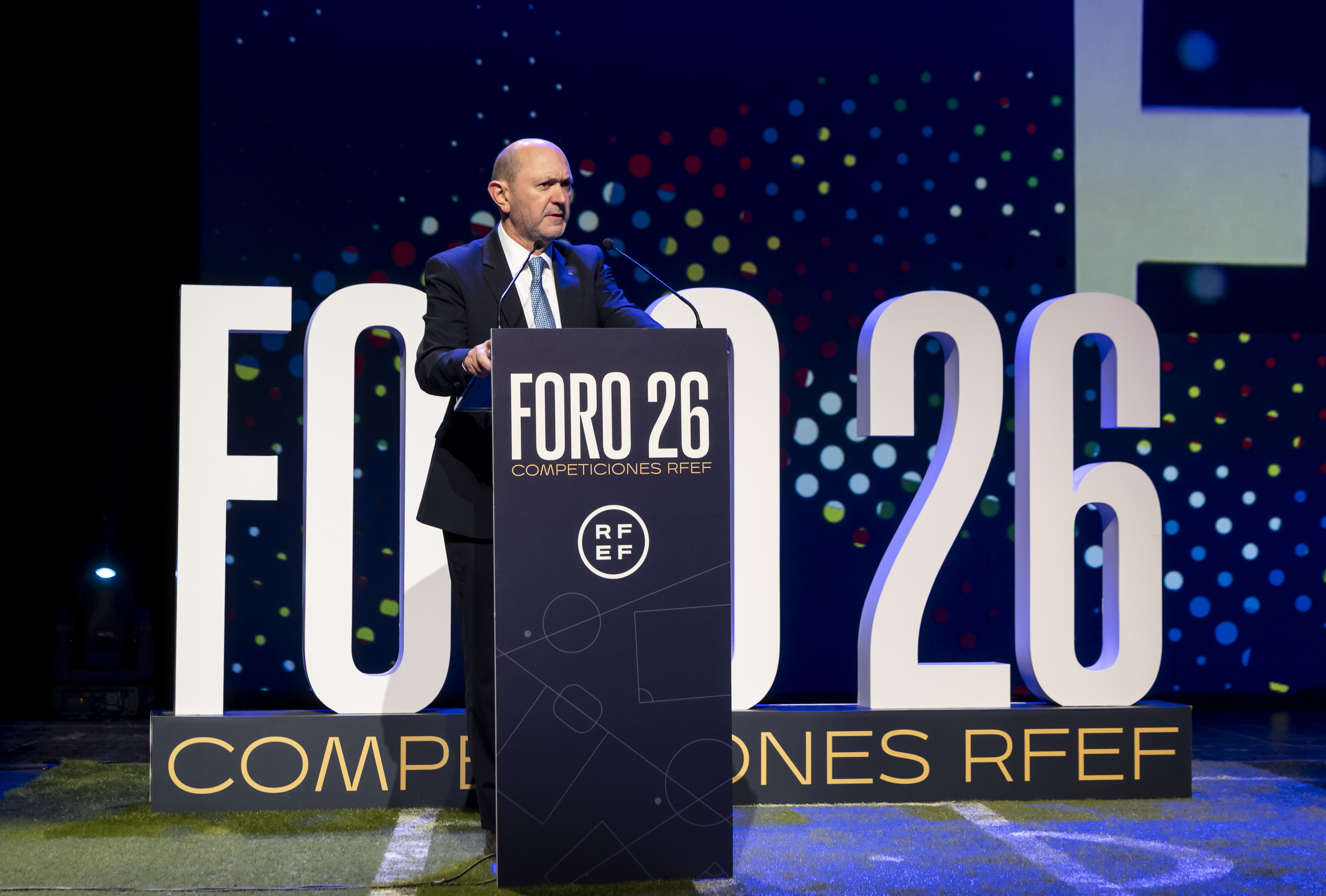
The RFEF president opened the plenary session alongside Zaragoza mayor Natalia Chueca and Aragon’s acting Minister for Education, Culture and Sport, Tomasa Hernández.
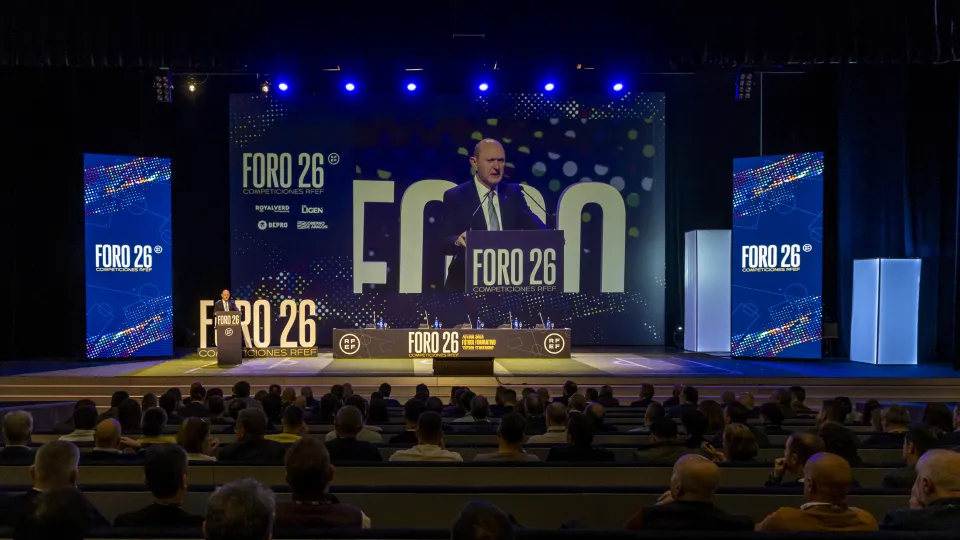
The Zaragoza Congress Palace hosted the plenary session of Foro 26, the National Competitions Congress, which began with a performance of traditional Aragonese jota music by the Danzar Folklore Group, setting the stage for the institutional opening.
RFEF president Rafael Louzán, accompanied by Manuel Torralba, president of the Aragonese Football Federation, welcomed Zaragoza mayor Natalia Chueca and Tomasa Hernández, acting Minister for Education, Culture and Sport of the Government of Aragón.
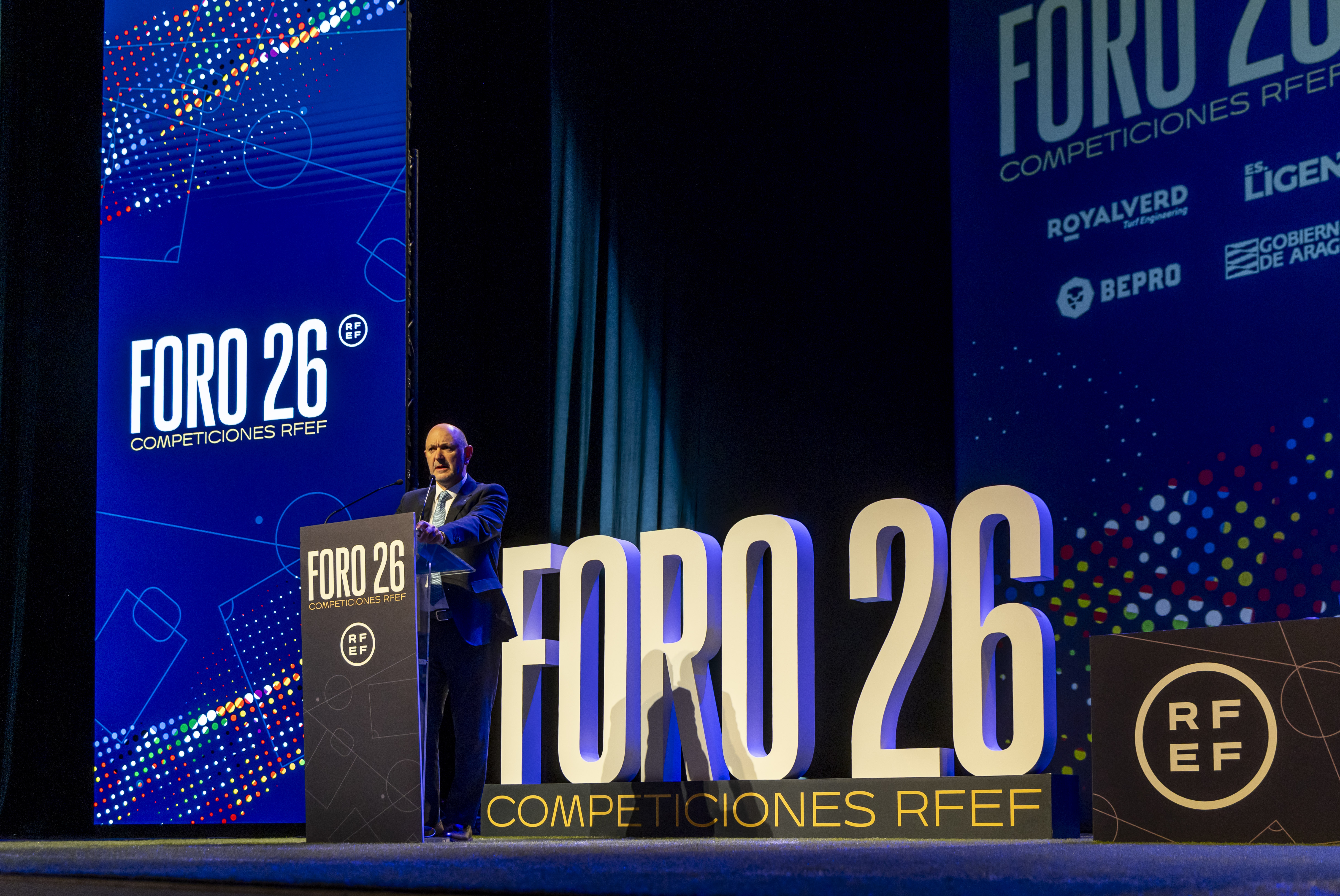
In his remarks, Louzán highlighted Zaragoza’s commitment to sport:
“This city has taken an important step with the renovation of Real Zaragoza’s sports facilities and the new La Romareda stadium. I want to thank you for the courage shown in promoting its redevelopment. It will be a World Cup stadium for the 2030 tournament.”
He also stressed the importance of improving behaviour within the sport:
“We must eradicate verbal and physical violence from football stadiums.”
“Today we can say that the regional federations are working together more closely than ever before, with transparency and joint effort.”
A space for dialogue across Spanish football
Reflecting on the conclusions of Foro 26, Louzán said he was delighted by the opportunity to engage with representatives from across the game:
“It has been a pleasure to speak and share time with all of Spanish football. The groundwork had already been done, but we wanted to meet, debate and draw conclusions together. I would like to thank everyone for their contributions, each from their own area of the game.”
He also announced the RFEF’s commitment to holding the congress every two years, turning it into a regular platform for discussion about the future of Spanish football:
“We want Spanish football to speak and help define the path the game should follow. The journey is made by listening to everyone. Over the past year we have spoken with everyone who has something to say in football, and this meeting was the missing piece.”
Visibility and growth for Spanish football
Louzán also highlighted the importance of sponsorship and new platforms to increase the visibility of the sport:
“The sponsors currently supporting the RFEF trust our management and the results achieved by our national teams. With that backing, we will continue strengthening cooperation with all stakeholders. Increasing the visibility of Spanish football is key to improving the game — through media rights and through the OTT platform the RFEF will soon launch.”
The event was attended by presidents of the RFEF’s regional federations, as well as representatives from clubs and associations who had taken part in the previous day’s sessions.
Support from local and regional authorities
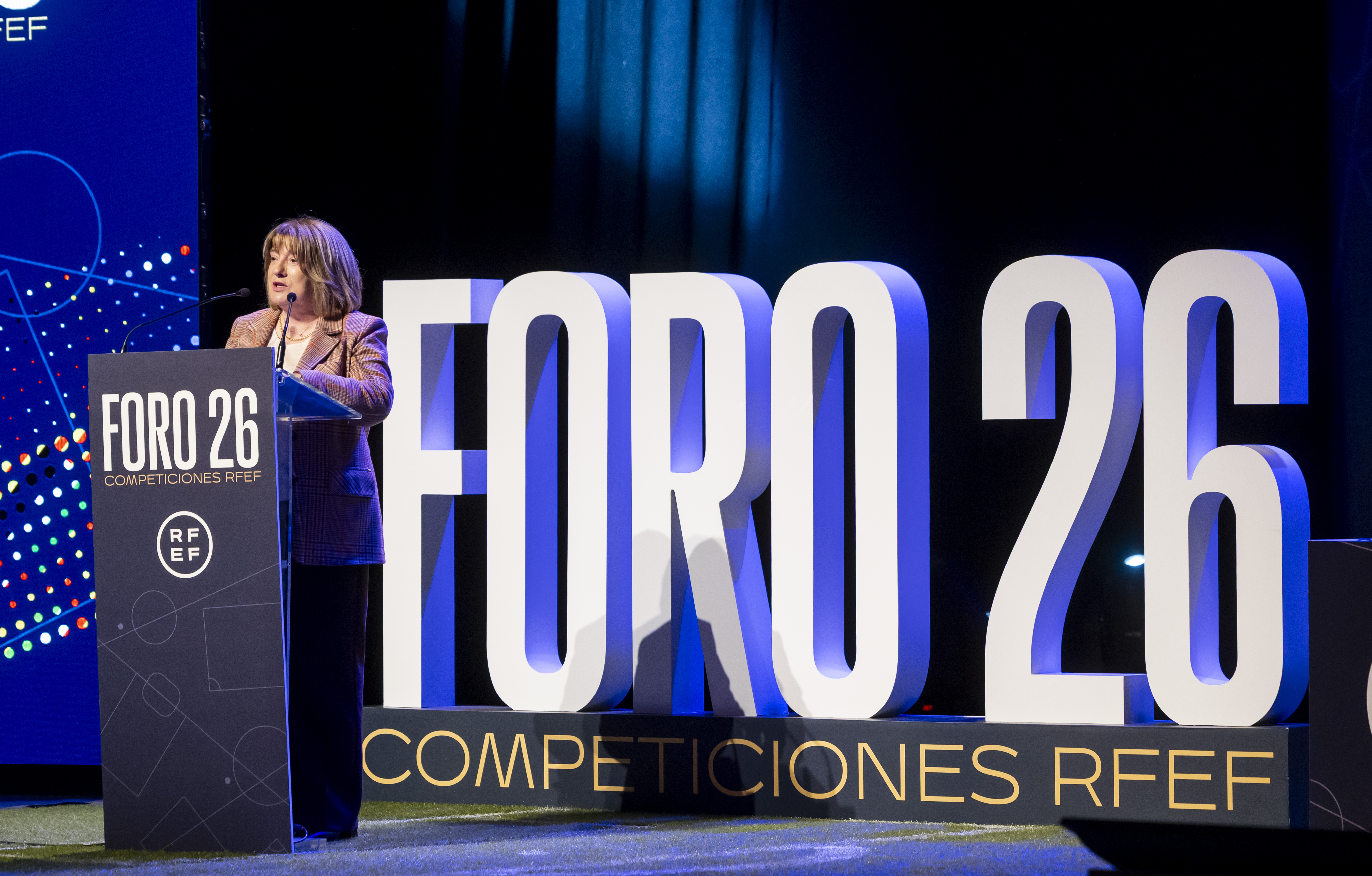
Representing the Government of Aragón, Tomasa Hernández emphasised the importance of the 2030 World Cup project:
“This congress takes place with the 2030 World Cup on the horizon. It is not only an opportunity for professional football but also for thousands of boys and girls who will see the tournament as an inspiration. Aragón wants to be a host region. We want to help deliver a World Cup that leaves a lasting legacy.”
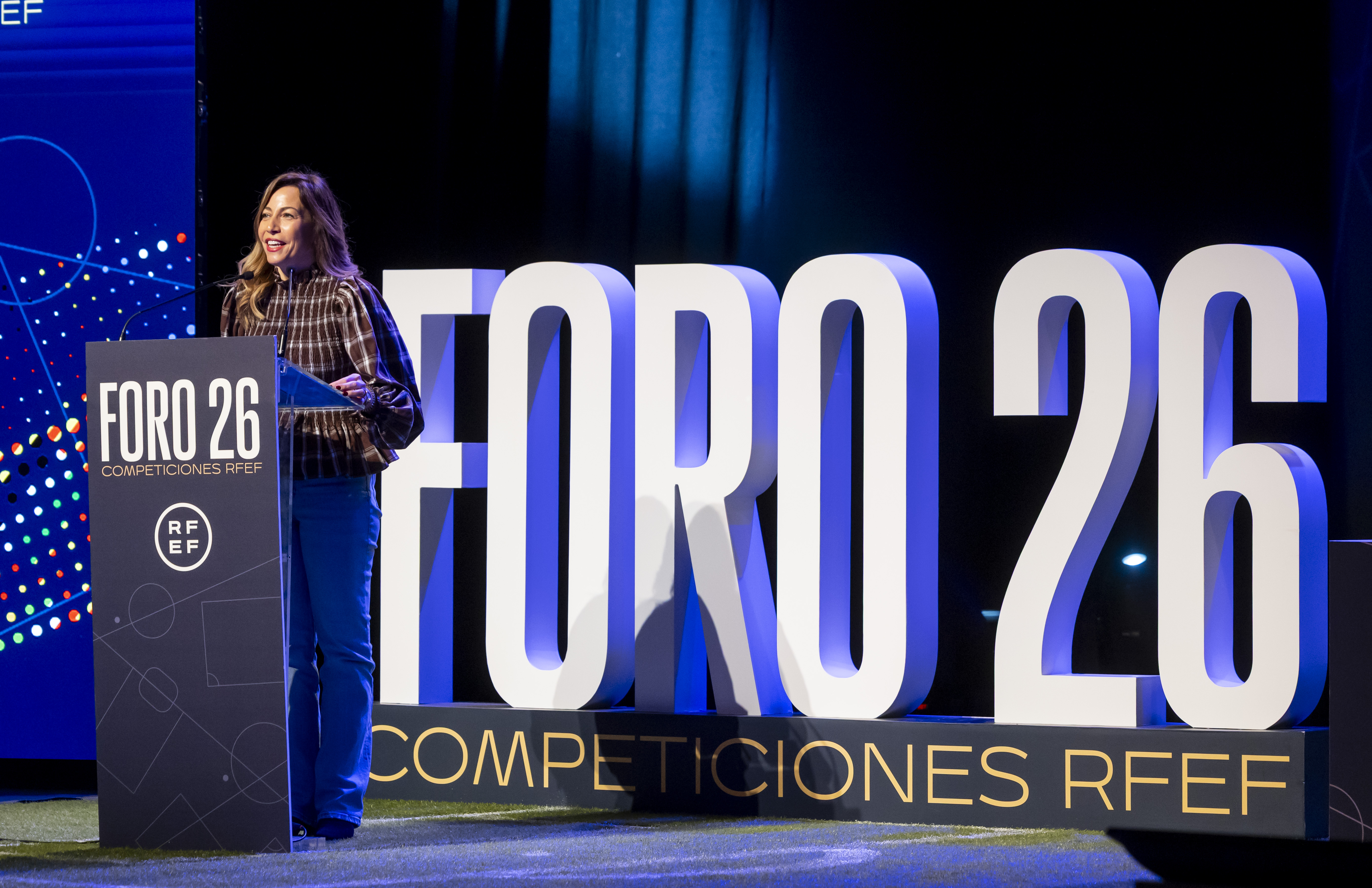
Meanwhile, Zaragoza mayor Natalia Chueca welcomed participants to the city:
“Zaragoza is a welcoming city, and we are proud to host a forum of such importance for Spanish football. Sharing experiences and learning from one another is the best way to keep improving and maintain our position among the world’s leading football nations.”
She also highlighted football’s broader impact on society:
“Football plays a major role in society and is also an economic engine. For that reason, it is very positive that this forum will be held every two years to review and strengthen the development of the game.”
Chueca concluded by praising the work carried out across Spanish football and the leadership of Rafael Louzán, noting that the sport continues to place Spain among the leading football nations in the world.
More related news
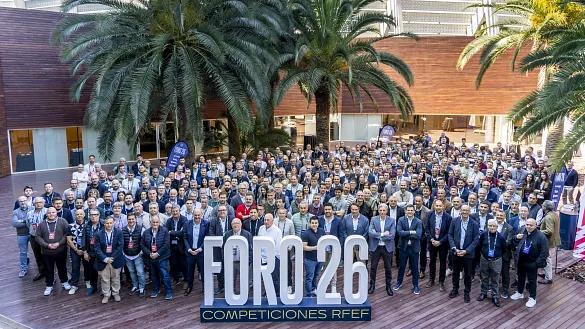
El Foro 26 celebrado en la ciudad aragonesa ha sido escenario del debate, la reflexión y el consenso sobre distintas medidas para la mejora de las competiciones tanto en fútbol formativo como en fútbol femenino y fútbol sala
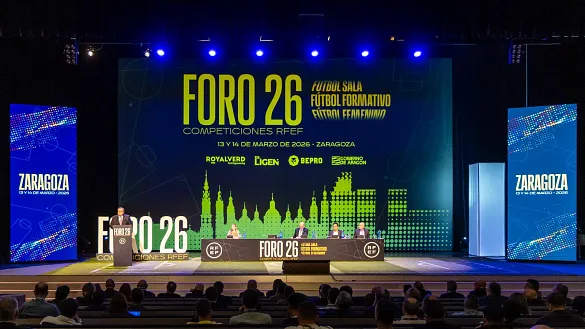
The National Congress held in Zaragoza concluded with the presentation of the working groups’ conclusions during its plenary session.