

Arbitration System Reform Commission agrees to explore the use of artificial intelligence
Over the coming weeks, various football stakeholders will assess different tools to improve data collection in referee evaluation and appointment processes
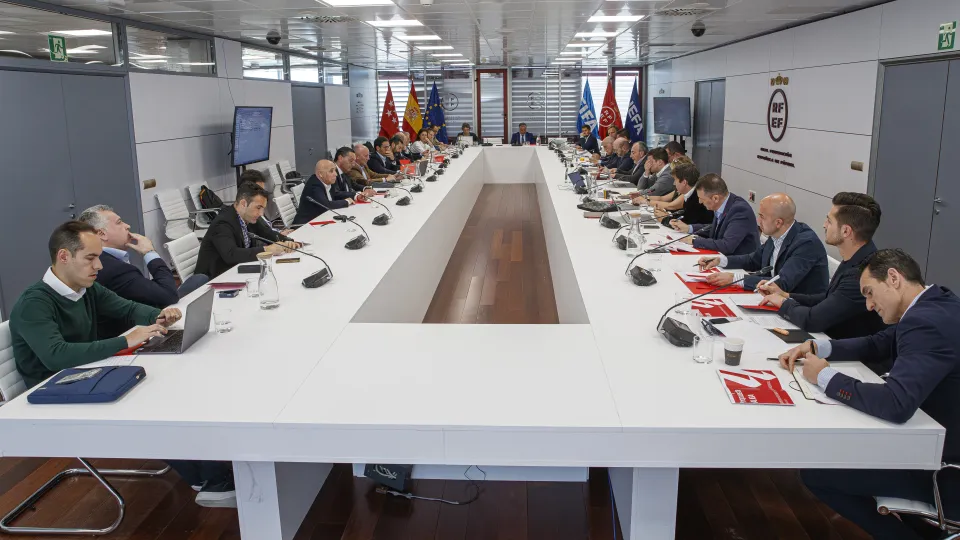
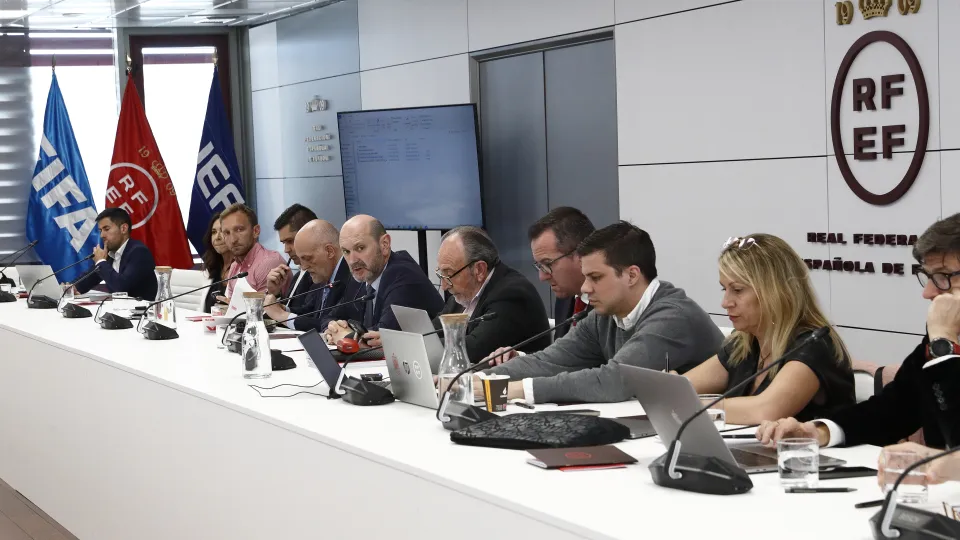
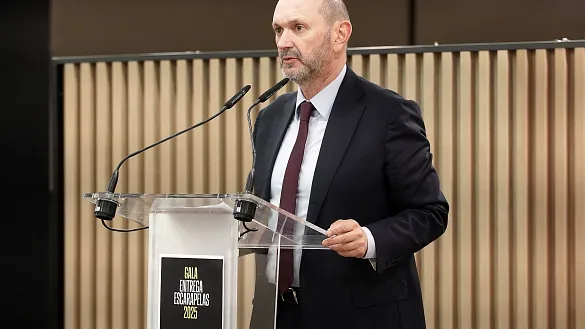
Under the direction of RFEF President Rafael Louzán, the Ciudad del Fútbol hosted a new series of sectoral meetings this Thursday, as part of the working groups of the Arbitration System Reform Commission.
In a setting marked by constructive proposals from representatives of all sectors of Spanish football, a consensus was reached to continue advancing in the use of technology across both women’s and men’s top-tier competitions.
In this context, it was agreed to explore the introduction of artificial intelligence tools in both the Primera and Segunda División. The goal is to increase the range and volume of data related to the performance of refereeing teams during matches. This would enable officials to make better-informed decisions and help bring greater objectivity and automation to processes such as referee evaluation and match appointments.
Over the coming weeks, members of the committee will study the different tools and methods of implementation, in preparation for the next meeting scheduled for 30 April.
In addition, the RFEF will formally request FIFA’s authorisation to implement the Football Video Support (FVS) system, with the aim of bringing it into operation in Liga F and the Primera Federación, pending agreements on the technology provider and technical requirements needed to roll out this video-based refereeing support system.
Other matters discussed during the sessions included the creation of a dedicated VAR referee corps, various models of refereeing organisation, and the establishment of mechanisms to enhance transparency and the flow of information between all parties. Discussions will resume in Las Rozas at the end of this month.
More related news
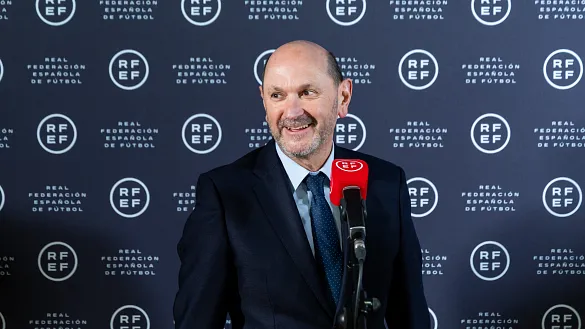
The president of the RFEF expressed his satisfaction with the meeting held this Thursday in Madrid with the representatives of the professional clubs and LaLiga.

Meetings held this Wednesday reached a consensus on taking the first steps towards eliminating geographical factors in refereeing assignments, as well as requesting FIFA’s permission to use the Football Video Support system in the top tier of women’s football.
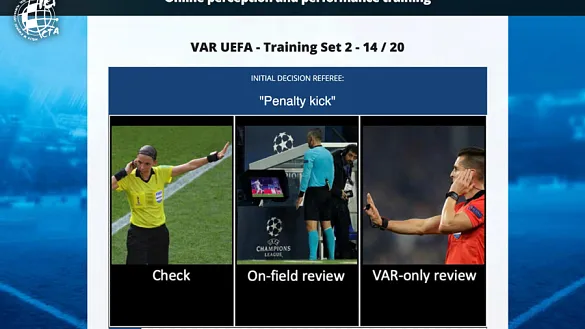
The CTA presented the FIFA 2025 badges and the Victoriano Sánchez Arminio Lifetime Achievement Award at a ceremony with 200 referees in attendance.