
RFEF, professional clubs and LaLiga unite to advance Spanish football
President Rafael Louzán has announced the creation of a new refereeing model: ‘We are going to implement a structural change’.
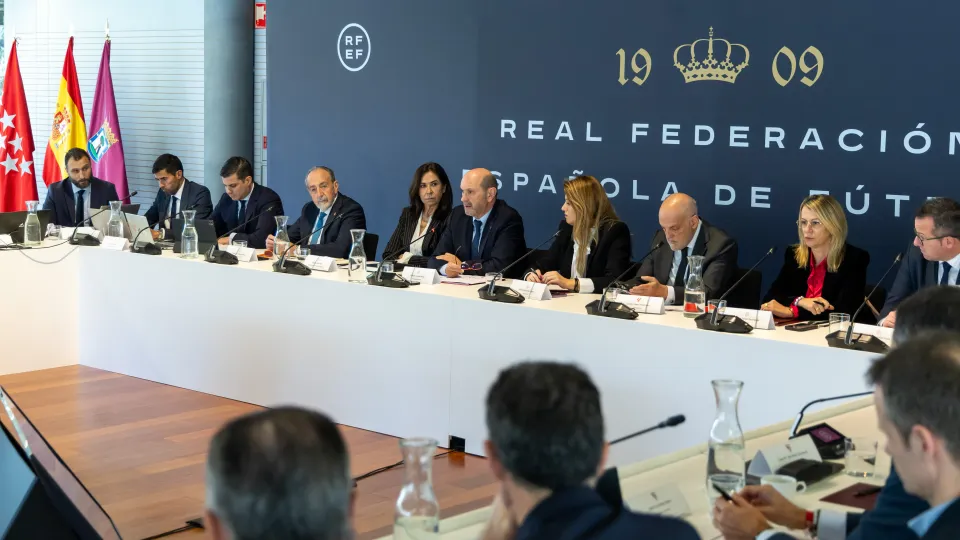
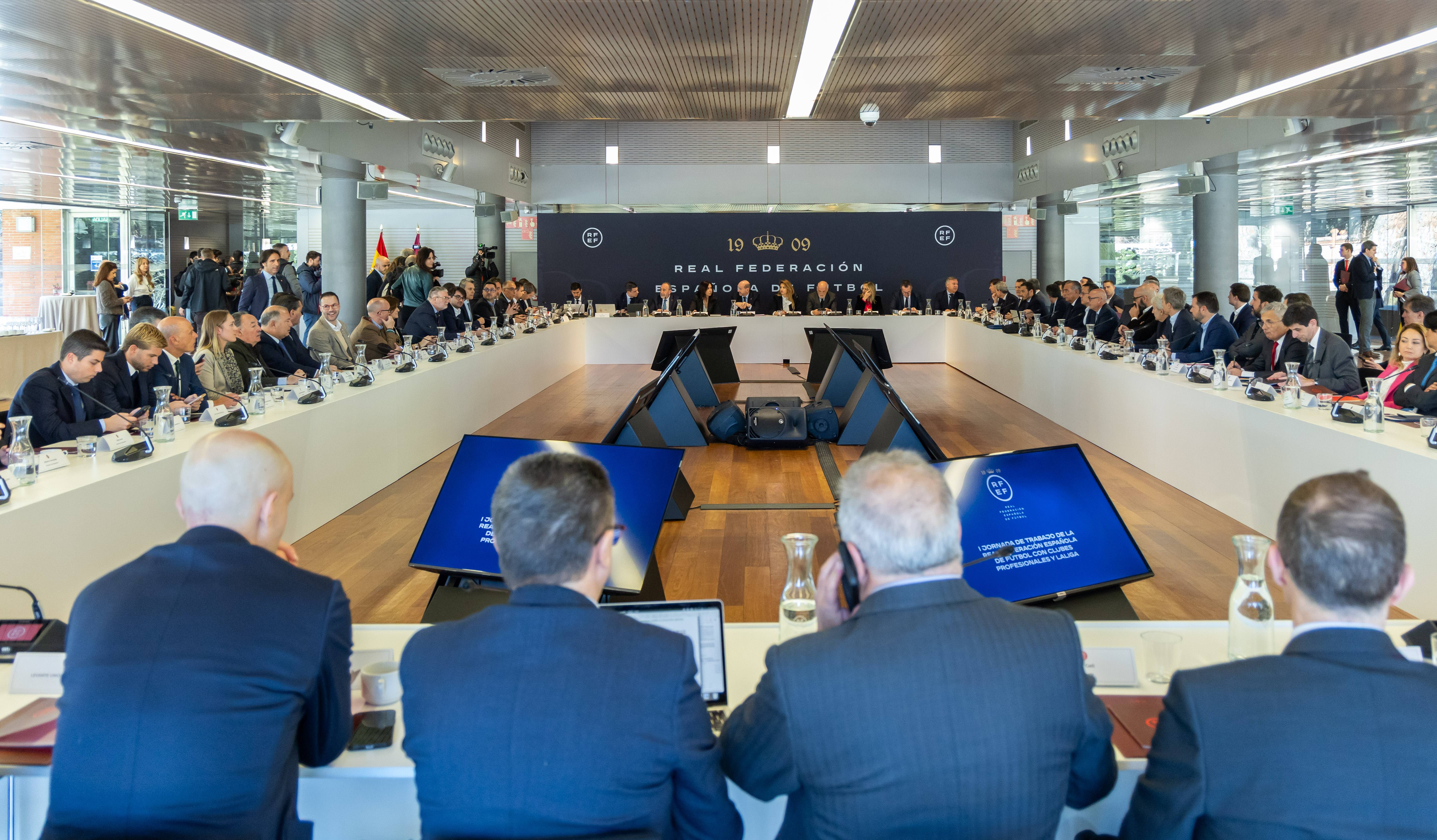
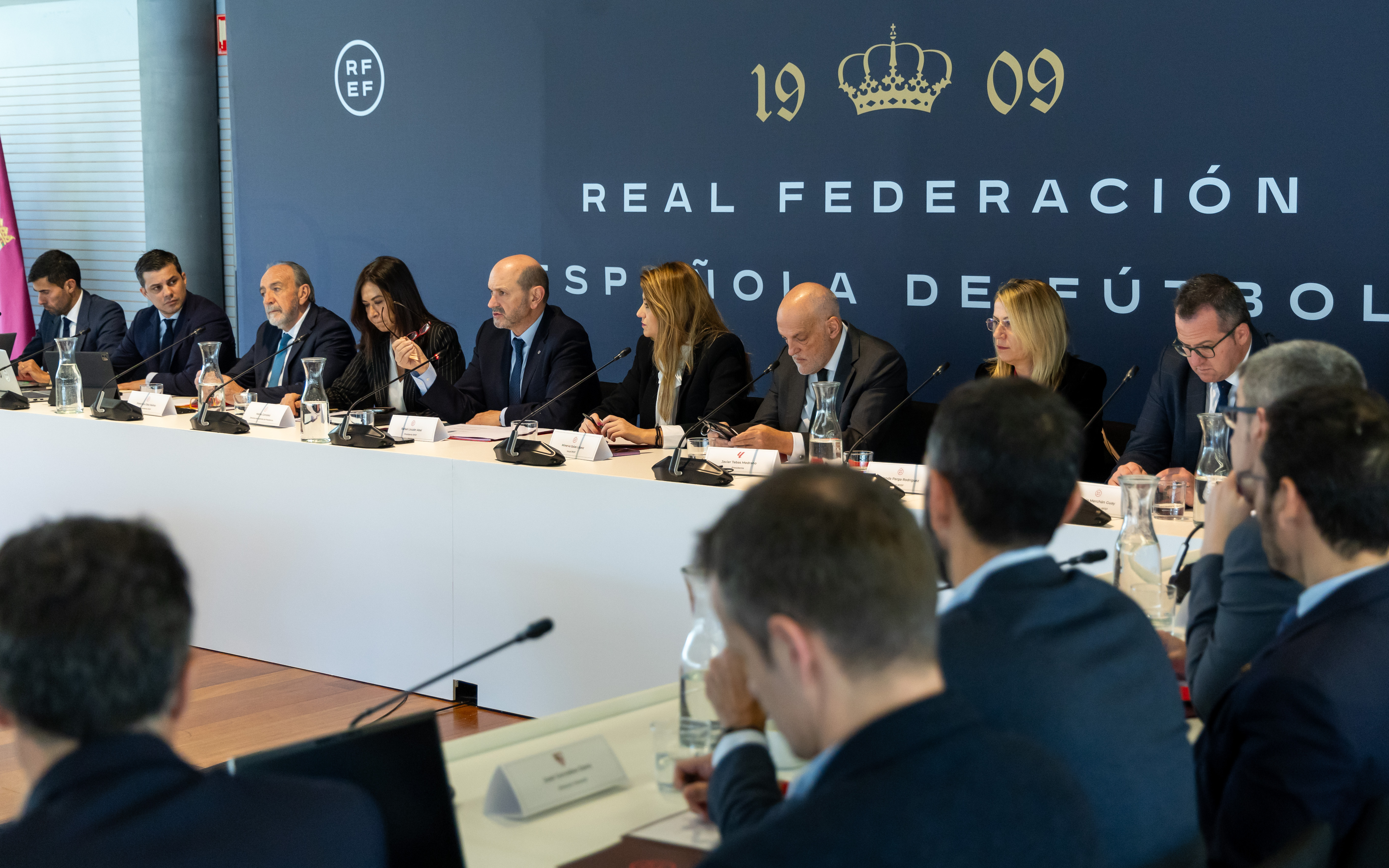
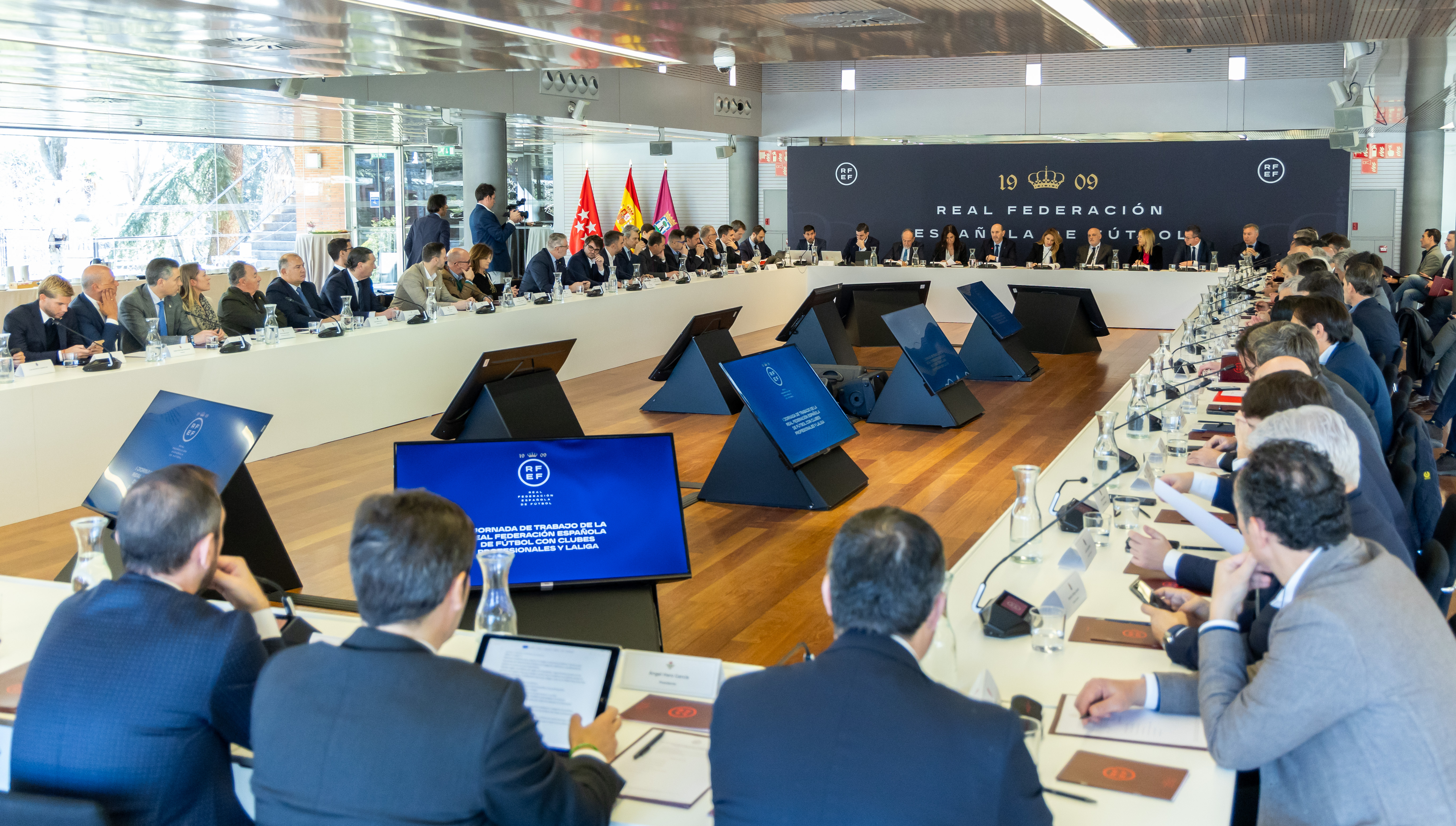
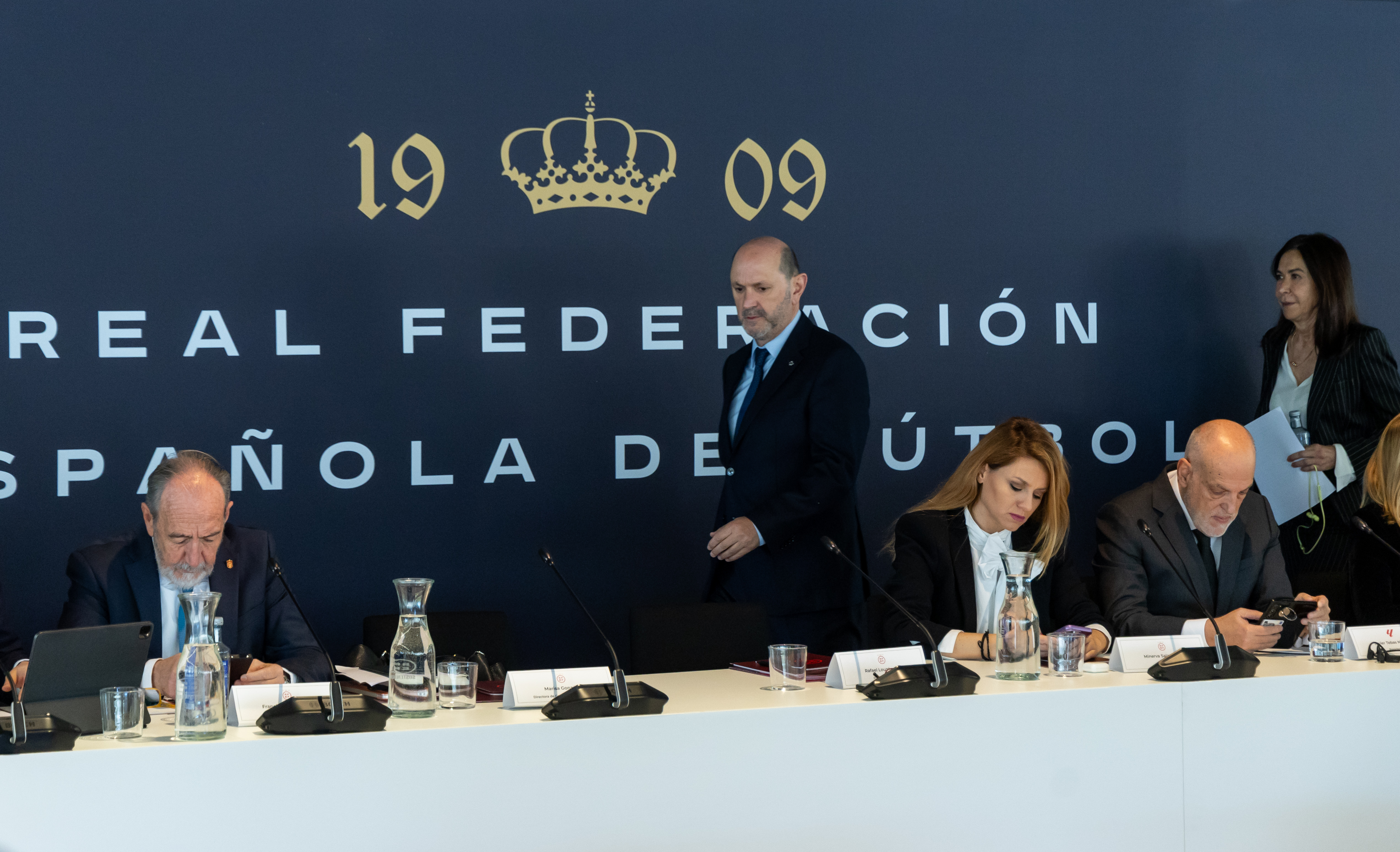
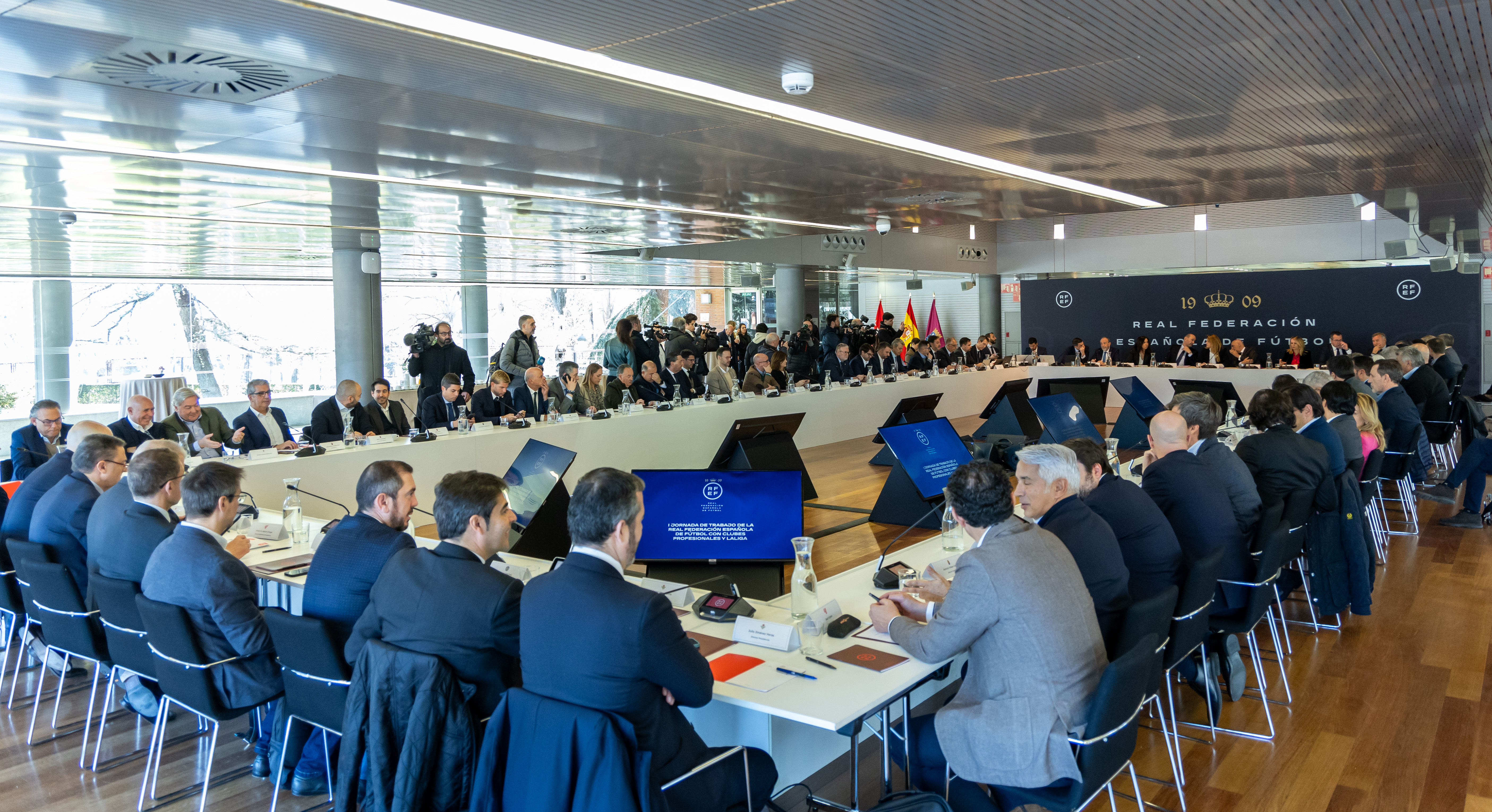
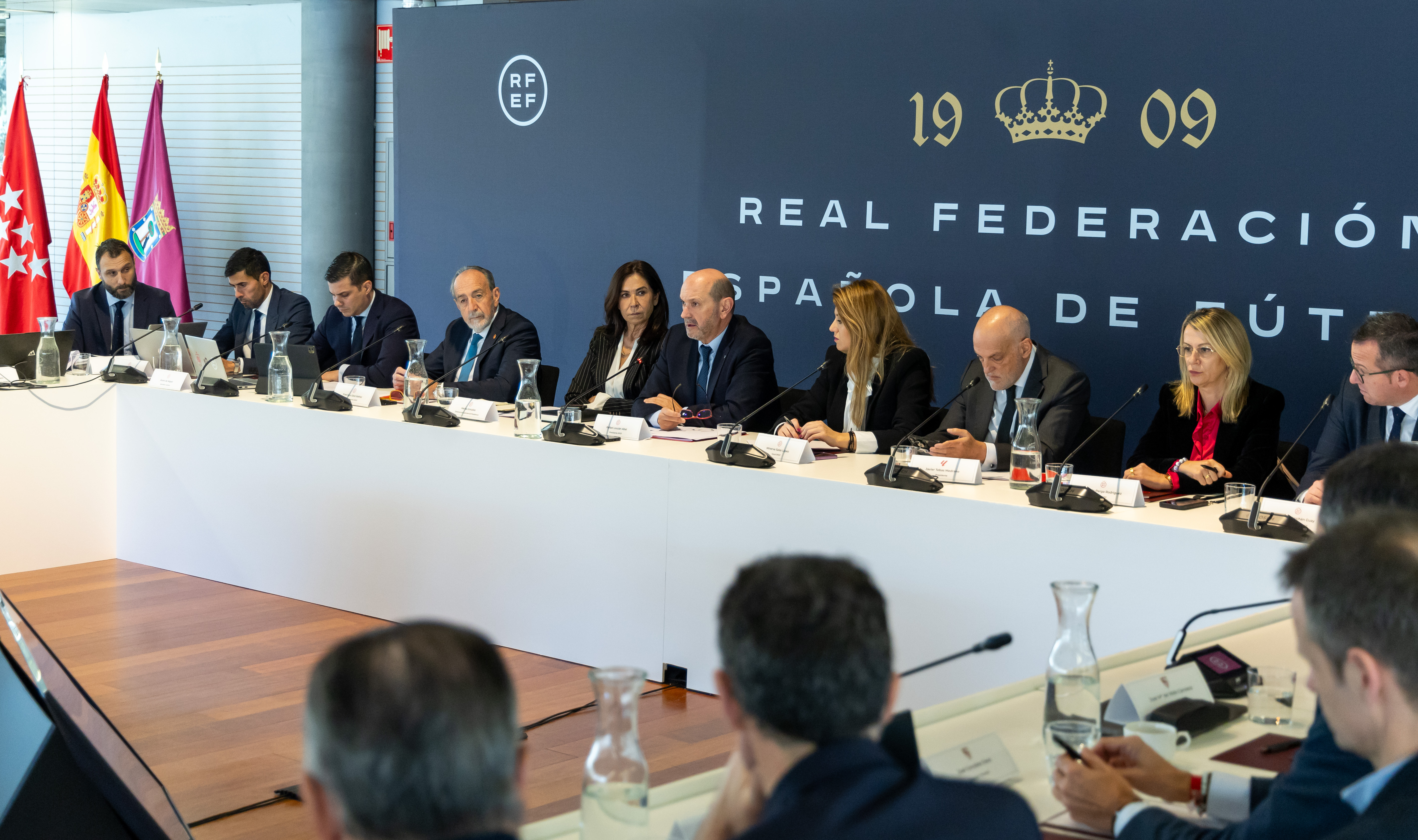
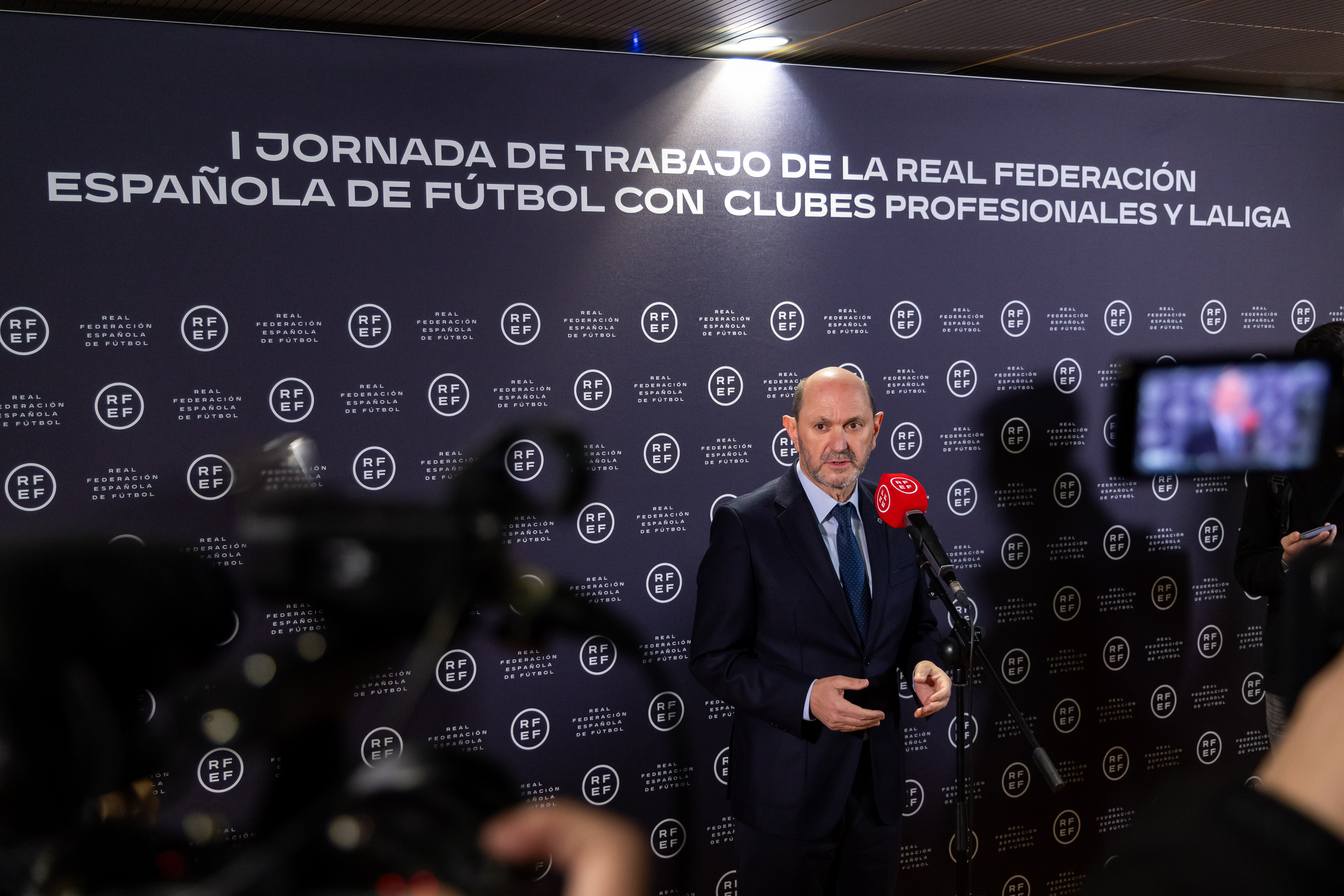
The Retiro Park in the city of Madrid, in the privileged surroundings of the Pavilion of the Jardines de Cecilio Rodríguez Gardens, hosted a working day for the first time in Spanish football between the Royal Spanish Football Federation and the men's professional football clubs, with the presence of LaLiga and a large representation of the CTA.
The meeting forms part of the new phase that the RFEF is going through, in which union and dialogue are the maxims, as president Rafael Louzán has repeatedly stressed since his arrival in office in December 2024.
The exchange of information and constructive dialogue between the representatives of the First and Second Division clubs was the common thread of this meeting, in which the Royal Spanish Football Federation presented various proposals for the improvement of professional competition.
Among them, the president of the RFEF, Rafael Louzán, pointed out that ‘the structure we currently have in the CTA must be rethought. It's no longer enough that it has always been done this way. There are models in the world that are working well and we are going to implement a structural change within our regulatory framework’.
Furthermore, the reform of the format of the Spanish Copa del Rey has been put on the table so that a criterion of proximity of the clubs is established in the pairings of the first knockout rounds of the competition. In addition, the Federation has analysed with the clubs the distribution of the 536 million euros that it allocates to them, as well as the distribution of the income among the teams participating in the Spanish Super Cup.
Likewise, as part of the RFEF's vocation to promote collaboration and interaction between referees and clubs, which is necessary for the proper development of football, the CTA, through its president, Luis Medina Cantalejo, has set out a list of measures that aim to achieve this objective.
‘We are going to implement a change in the structural model for Spanish refereeing’.
Among them, that representatives of the clubs, on a rotating basis, can participate in the weekly seminars of the CTA, which are held after the weekend matches, so that they have first-hand information detailed by these professionals.
In addition, the possibility has been opened up for players to participate in the refereeing seminars each pre-season, to see first-hand the criteria and instructions given to the referees and thus be able to contribute ideas for improving refereeing. It has also been proposed to set up a system for the referee to explain his decision live, after the review on the monitor, via the stadium's public address system, or to create working groups to maintain a closer and more constant relationship between referees and clubs, and directly between the referees themselves, players and coaches.
It has also been proposed that the audios of the VAR reviews be broadcast live, pending FIFA approval, or the creation of a working group made up of members of the different bodies to hold regular meetings and analyse what issues could be improved.
In short, a series of proposals that aim to improve the relationship between clubs and referees, also taking as an essential premise the importance and fundamental respect that must be maintained for the work of this group, a fundamental part of the sport that unites all those who today have taken a unique step in favour of Spanish football.
‘We want a real, serious and rigorous commitment from those of us who work for and for Spanish football. We want this to be the beginning of a new, different period for Spanish football, we have the opportunity to create it together. Now a new era is beginning’, concluded the president.
More related news
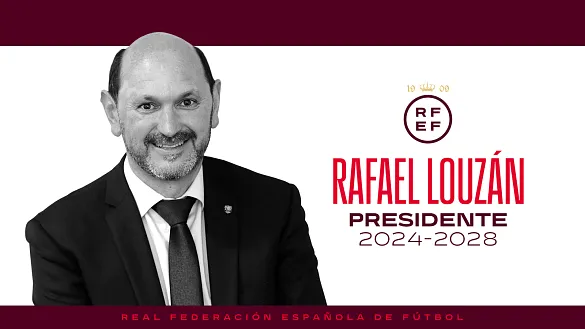
Louzán has secured the majority support of the RFEF General Assembly in the Presidential elections, receiving a total of 90 votes out of the 138 cast. The Galician will serve as President of the RFEF for the 2024-2028 olympiad.
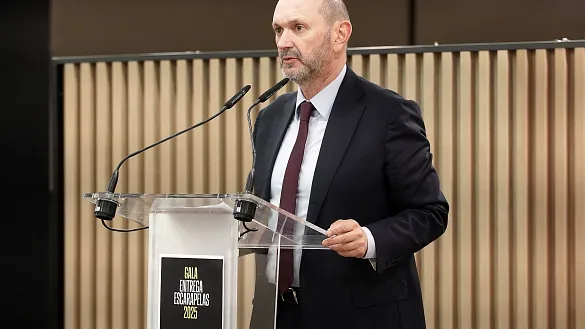
The CTA presented the FIFA 2025 badges and the Victoriano Sánchez Arminio Lifetime Achievement Award at a ceremony with 200 referees in attendance.
