A Proud Day for Spanish Football
Eight of the twelve major awards at the Ballon d’Or ceremony went to Spanish winners.
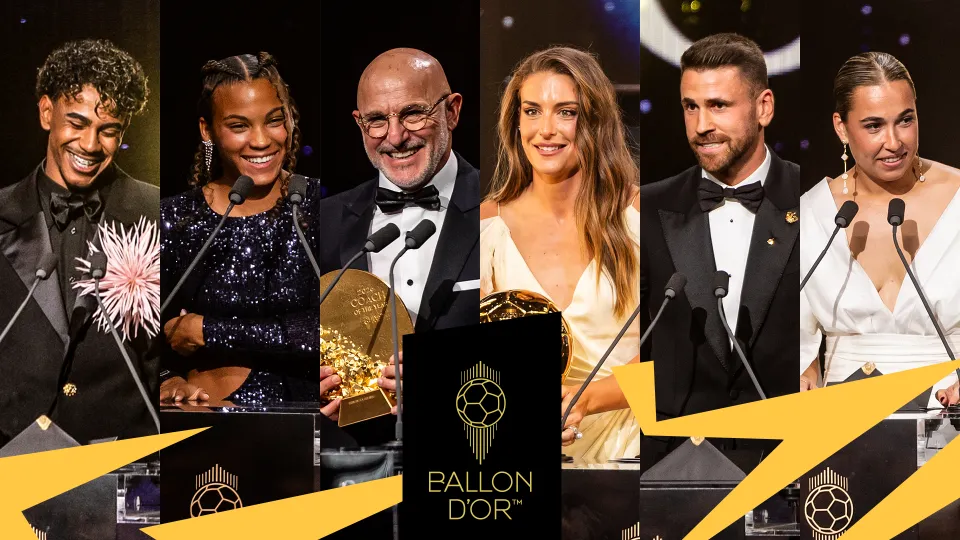
Spanish football enjoyed a night to remember at the London Palladium Theatre in the British capital on Monday, 26 October. The venue hosted the Ballon d’Or ceremony for the first time, marking the 70th anniversary of the most prestigious individual award in world football. The ceremony once again demonstrated the international standing of Spanish football, as the country turned an outstanding presence among the nominees into eight wins out of the twelve major awards across the player, coach and club categories.
The evening began with a record 26 individual Spanish nominations, reflecting a brilliant season across the board. The men’s and women’s Ballon d’Or categories each featured six Spanish nominees; the two Young Talent categories had two Spanish candidates apiece; the men’s Best Goalkeeper award featured three nominees, while the women’s category had one. Spain’s representation was also particularly strong in the coaching categories, with four Spanish coaches among the five nominees for the men’s award and two Spanish candidates in the women’s category. The nominations were completed by FC Barcelona’s candidacy for Women’s Club of the Year.
A sizeable Royal Spanish Football Federation delegation, led by president Rafael Louzán, travelled to England for the ceremony. He was accompanied by Aitor Karanka, technical director for development and the men’s senior national team, as part of the large Spanish contingent attending the event.
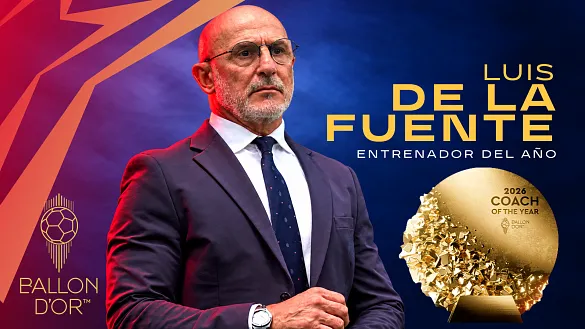
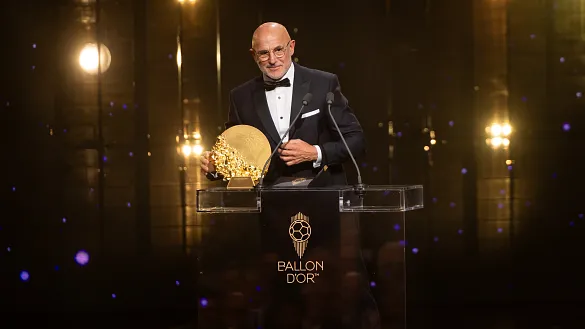
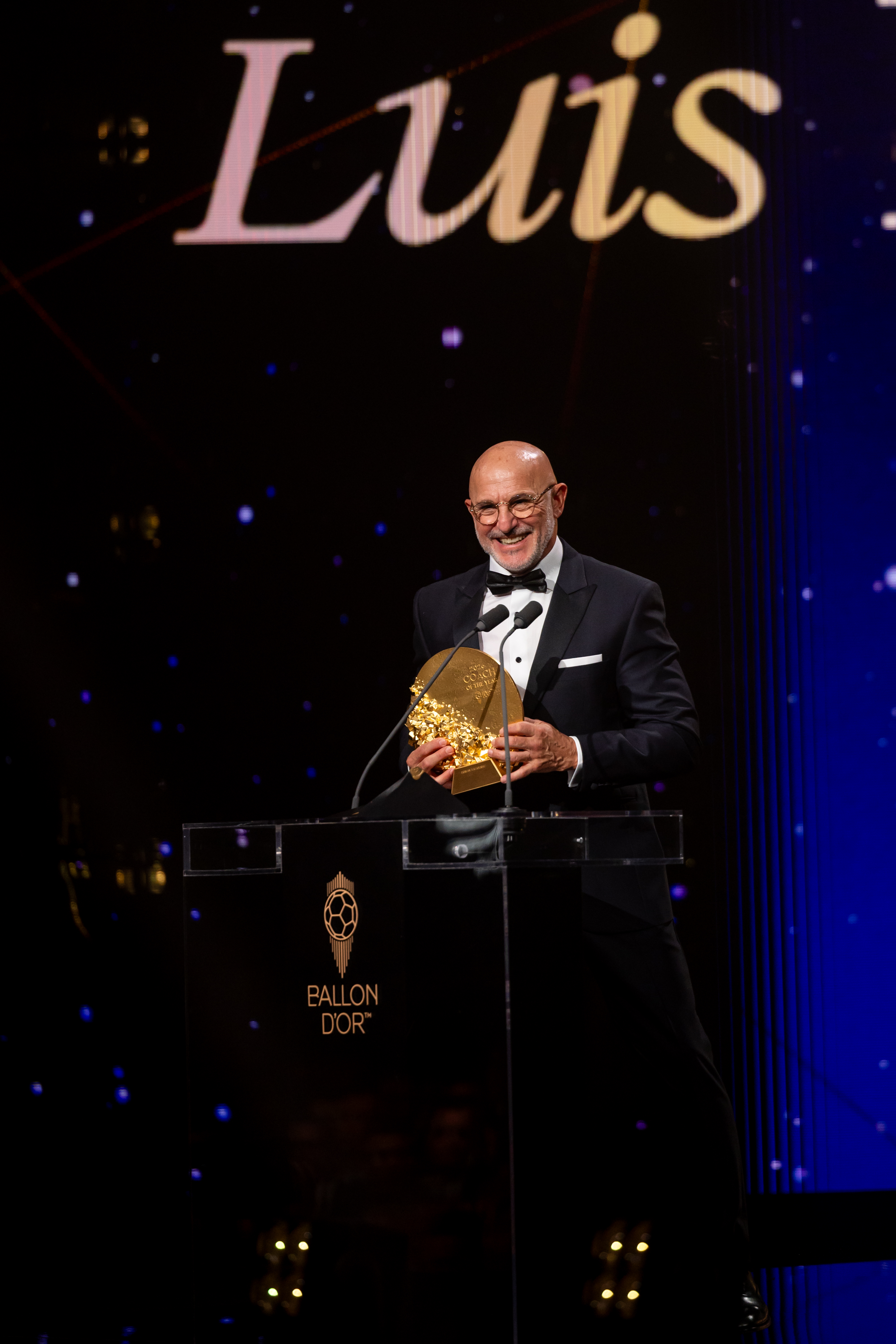
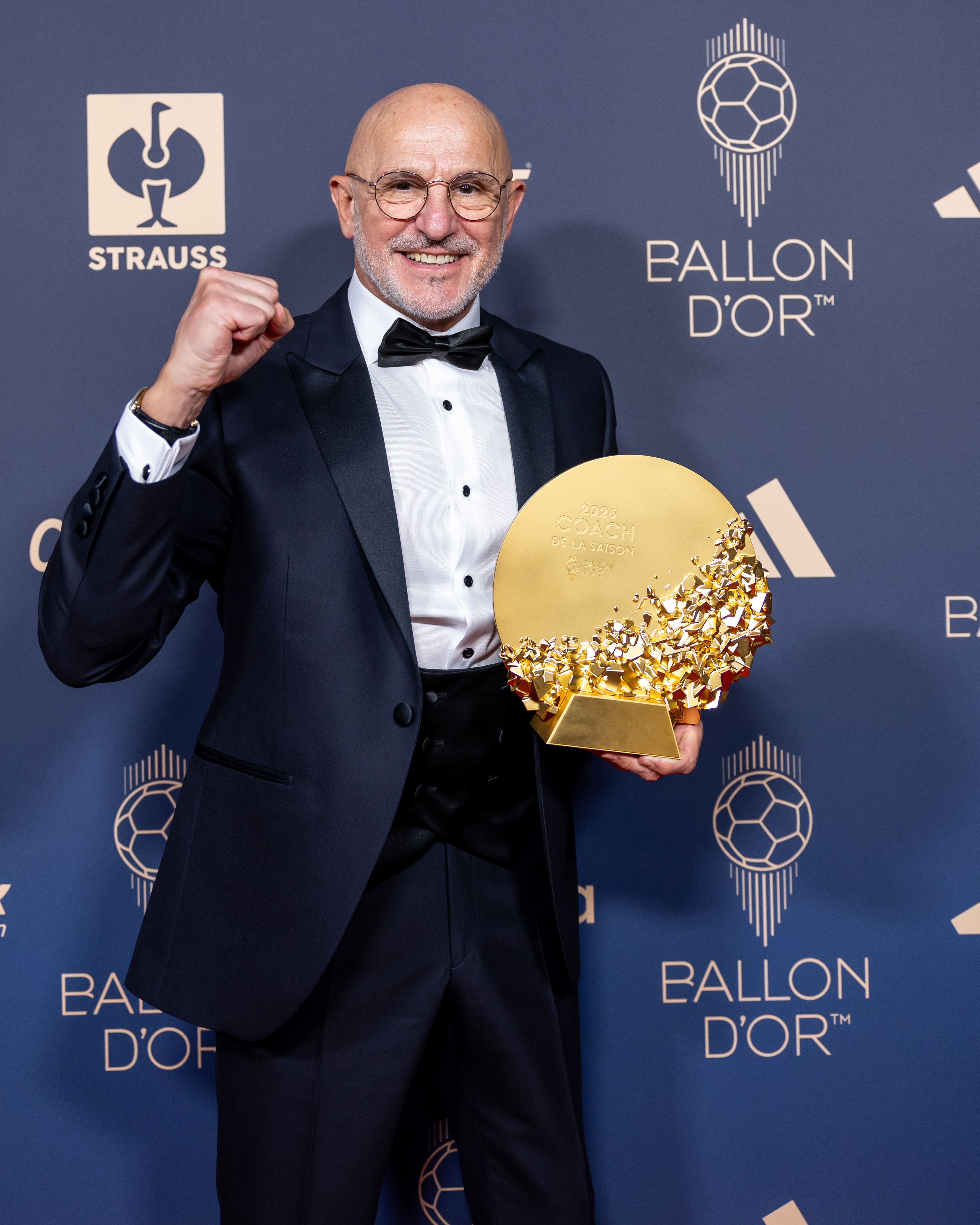
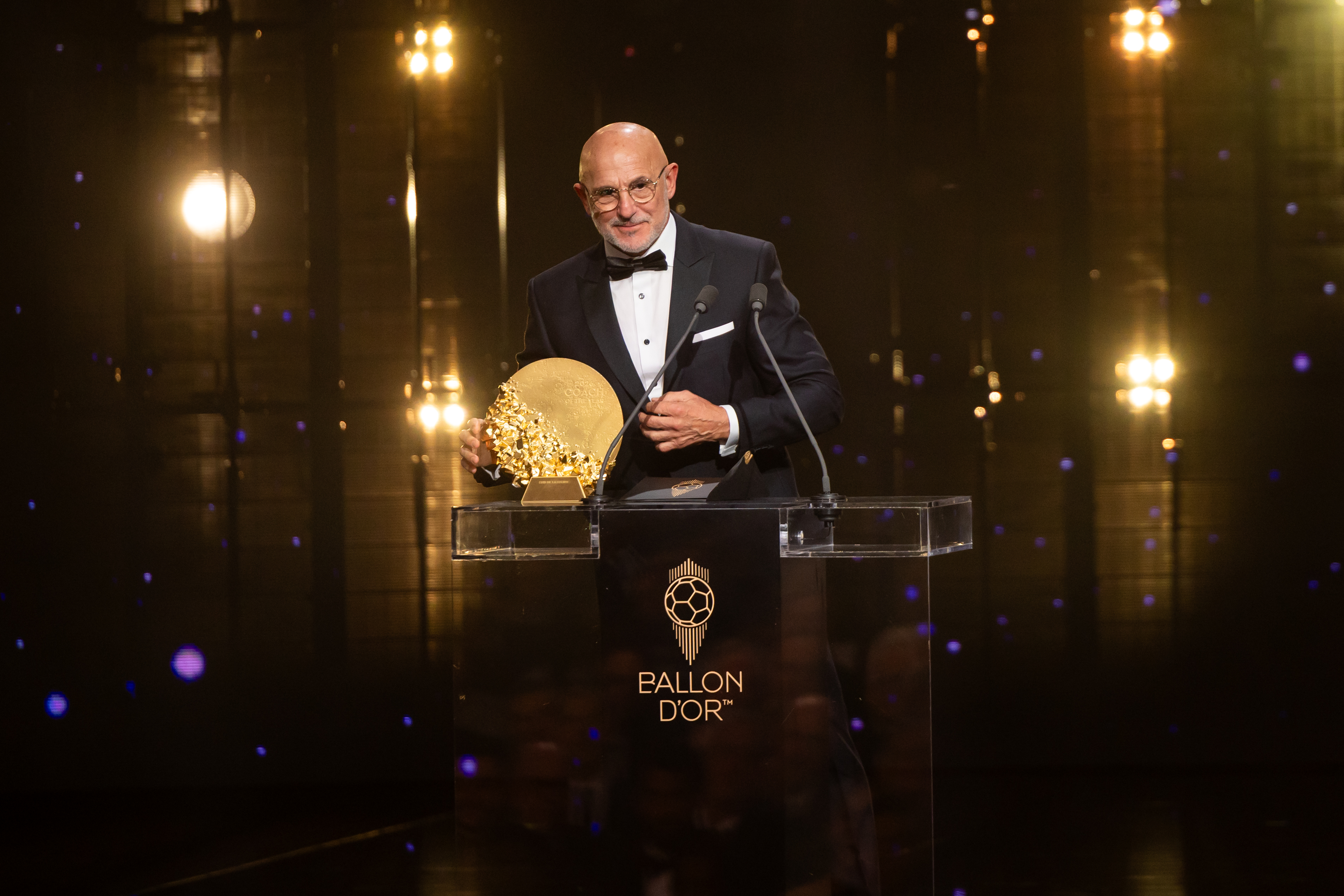
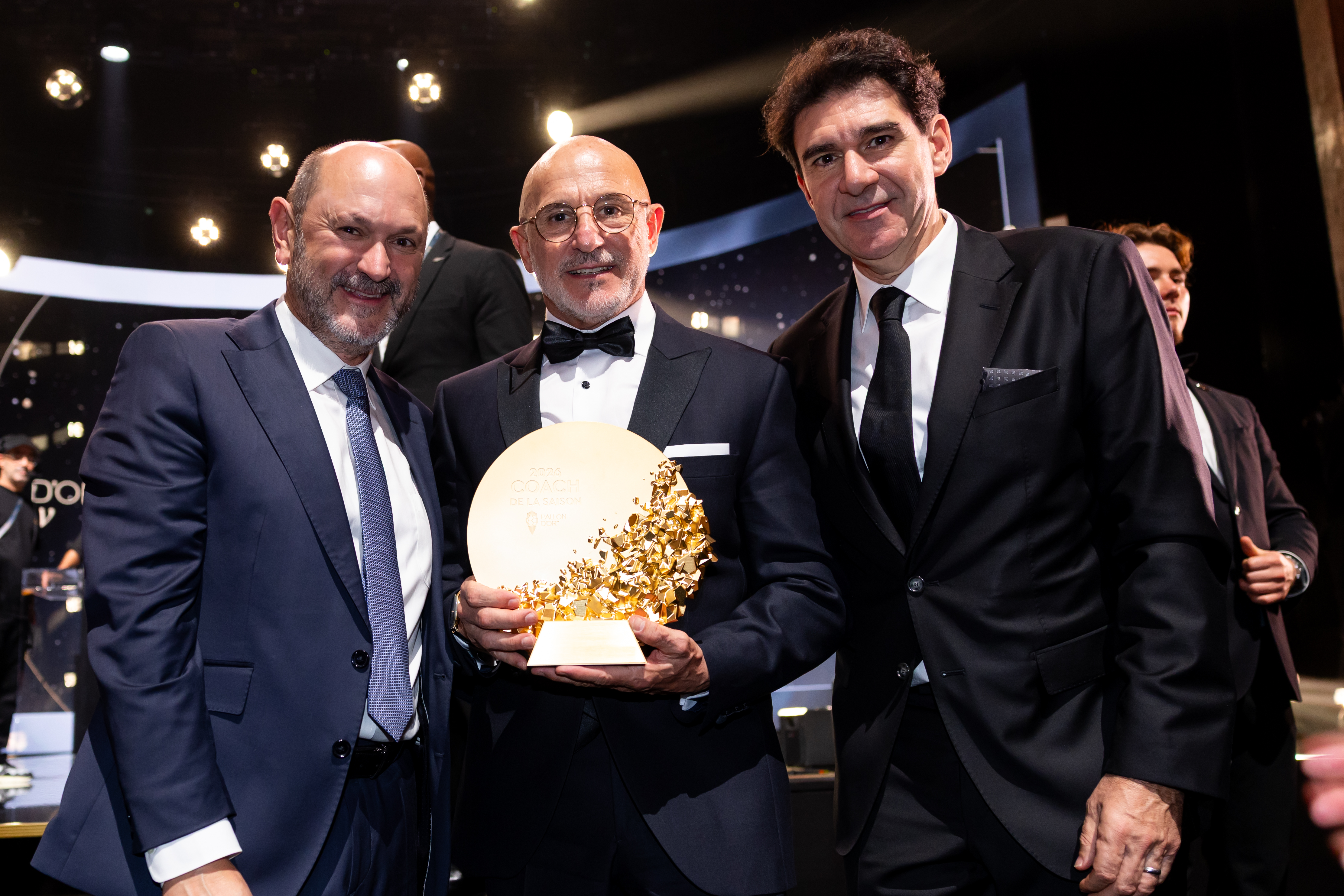
One of the evening’s major honours went to Luis de la Fuente, who was named Men’s Coach of the Year after leading Spain to their second World Cup title and helping develop and establish a unique generation of players, turning Spain into the dominant force in international football.
The national team coach was keen to share the credit with everyone who had accompanied him along the way, both on and off the pitch.
“It is an honour to receive this award. I don’t see it as an individual prize, but as a collective one. I would like to thank the RFEF for its support and trust, which have allowed me to develop this project.”
In the women’s category, the Best Coach award went to Pere Romeu, head coach of FC Barcelona Women, who completed an outstanding season by winning all four available trophies.
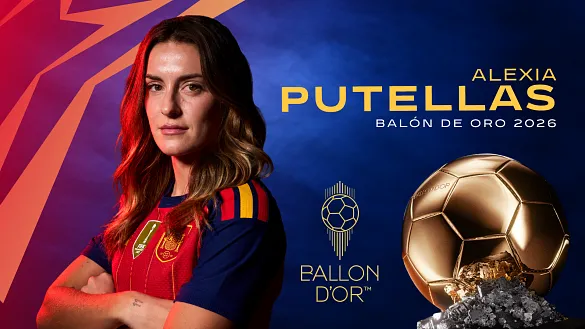
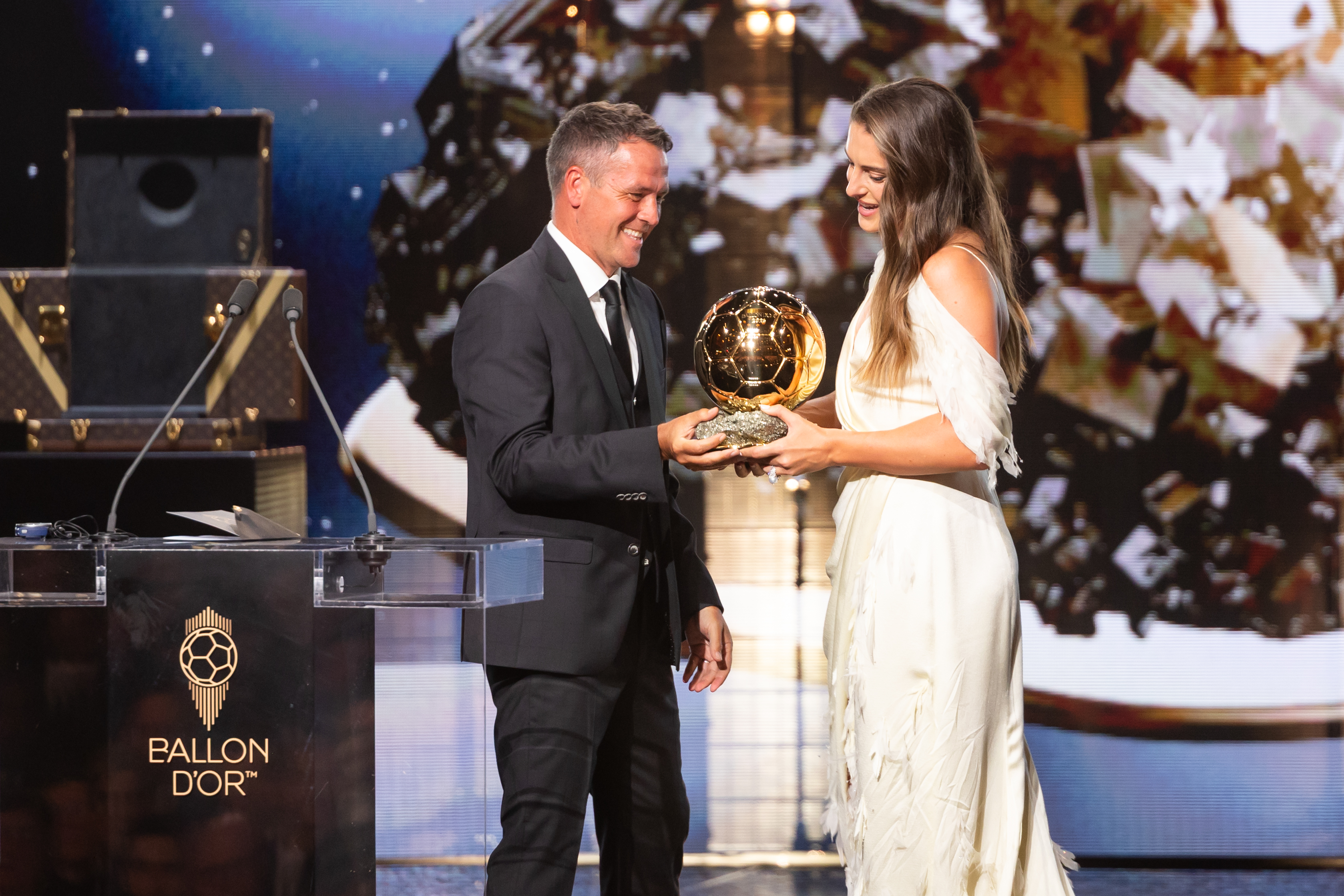
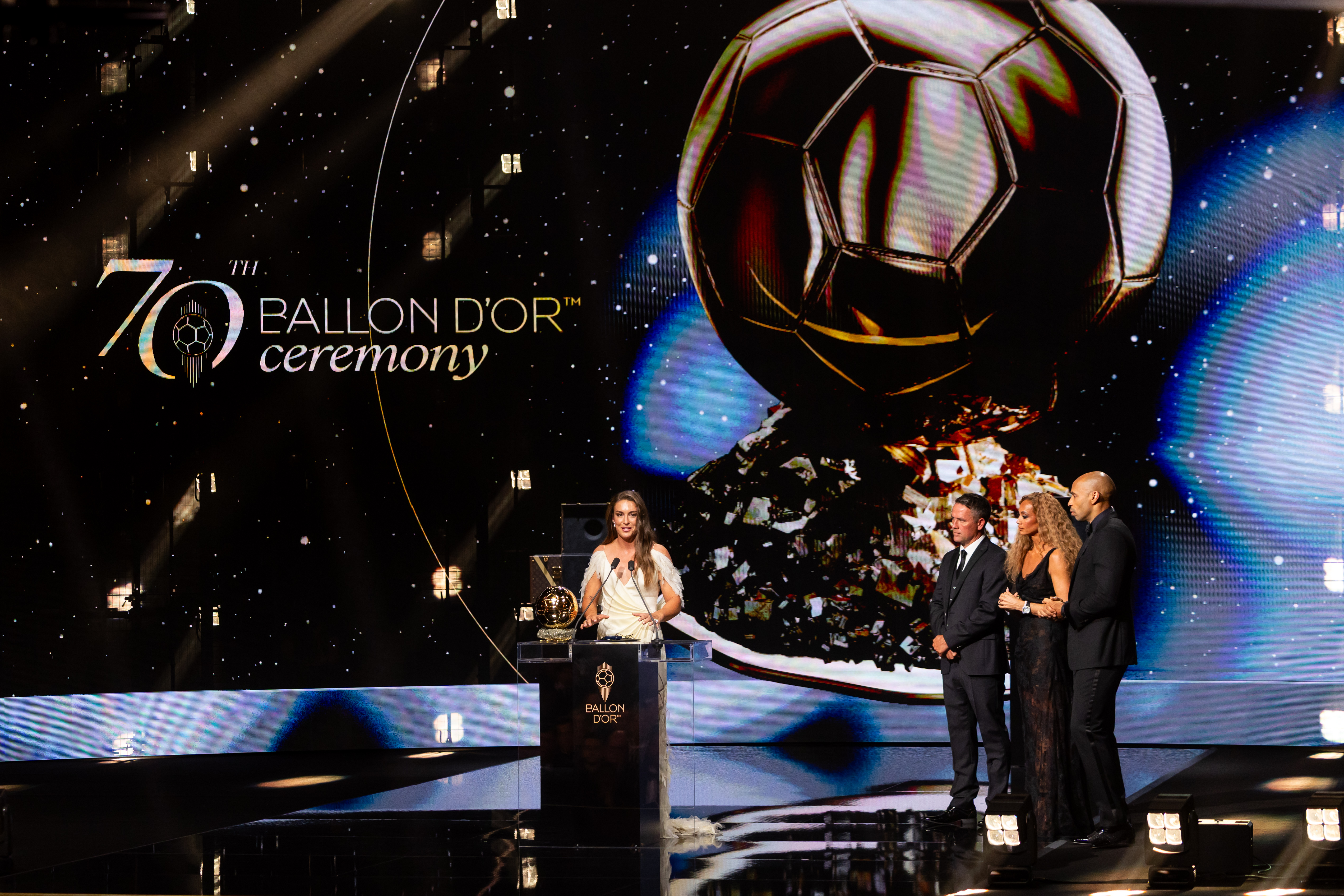
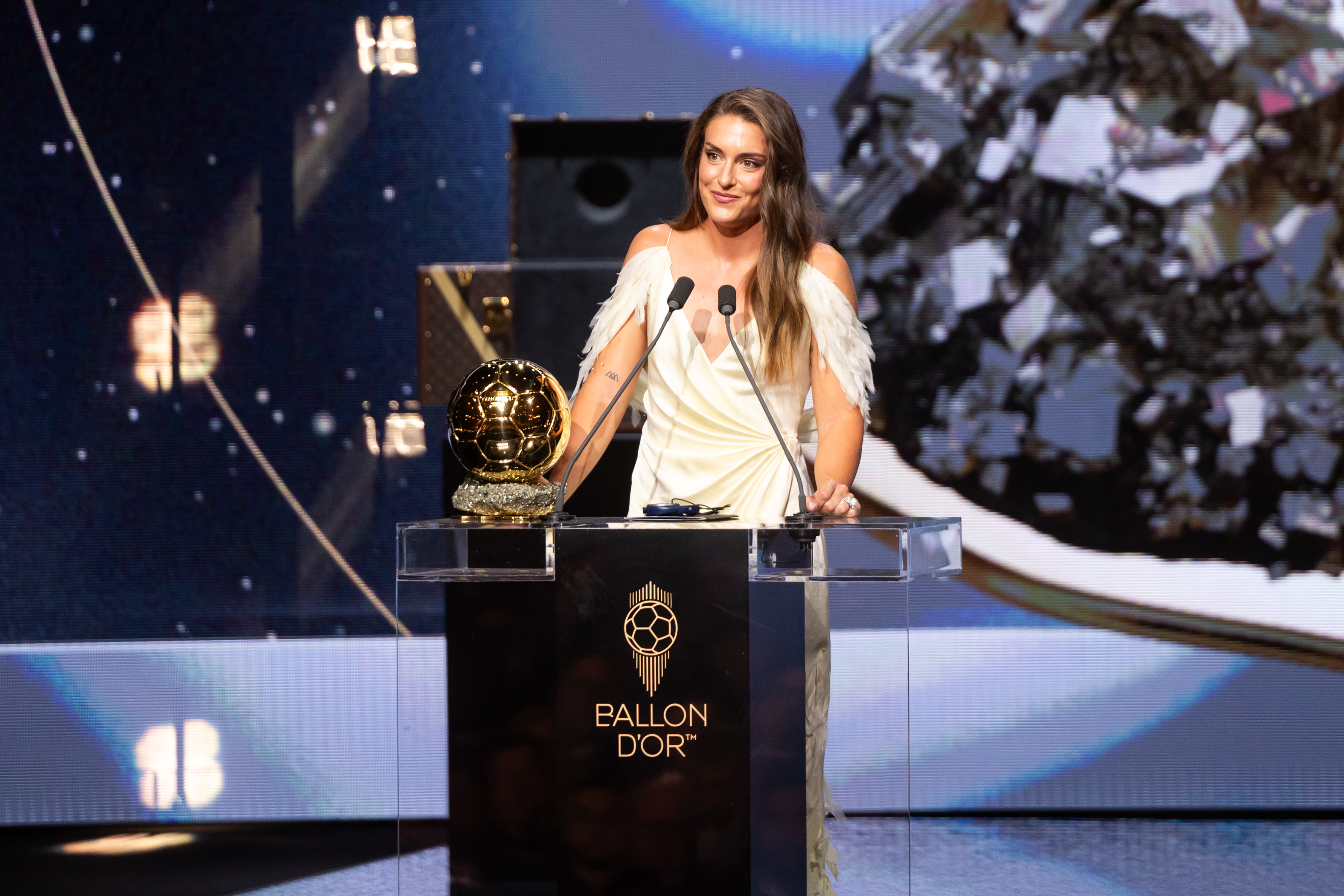
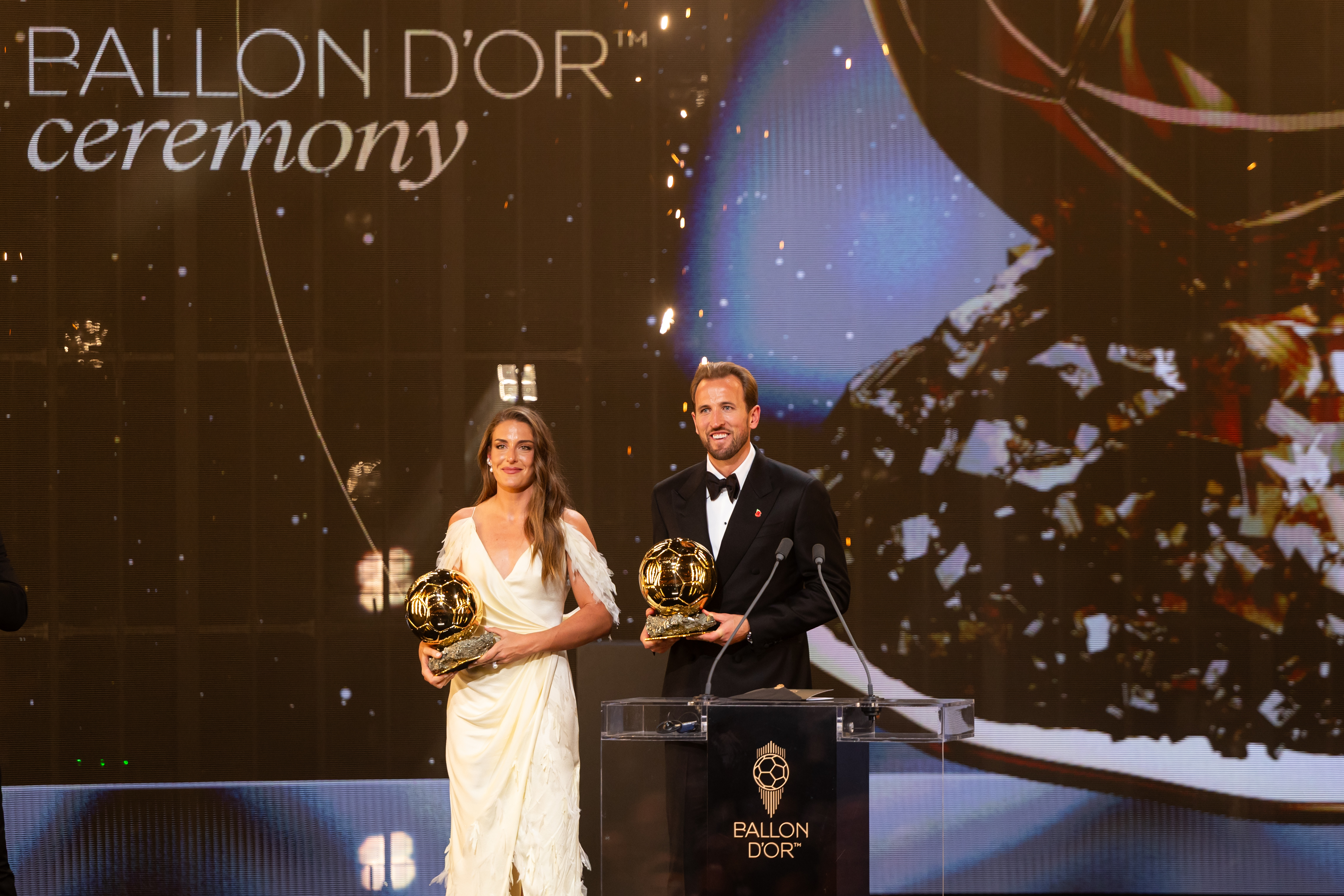
The leading figure in the women’s awards was Alexia Putellas, who returned to the summit of world football by winning her third Ballon d’Or, following her victories in 2021 and 2022. The Catalan midfielder joins Aitana Bonmatí, winner in 2023, 2024 and 2025, in extending Spain’s dominance of the women’s award to six consecutive editions.
Alexia enjoyed an almost perfect 2025/26 season, recording 27 goals and 16 assists in 53 appearances. She played a key role in Barcelona’s four-title haul, as well as Spain’s second UEFA Women’s Nations League triumph and qualification for the World Cup.
On stage, Alexia expressed her gratitude to all her teammates, paying particular tribute to those who had helped her make a full recovery.
“None of this would be possible without you. You helped me enjoy football again and become the player I am today.”
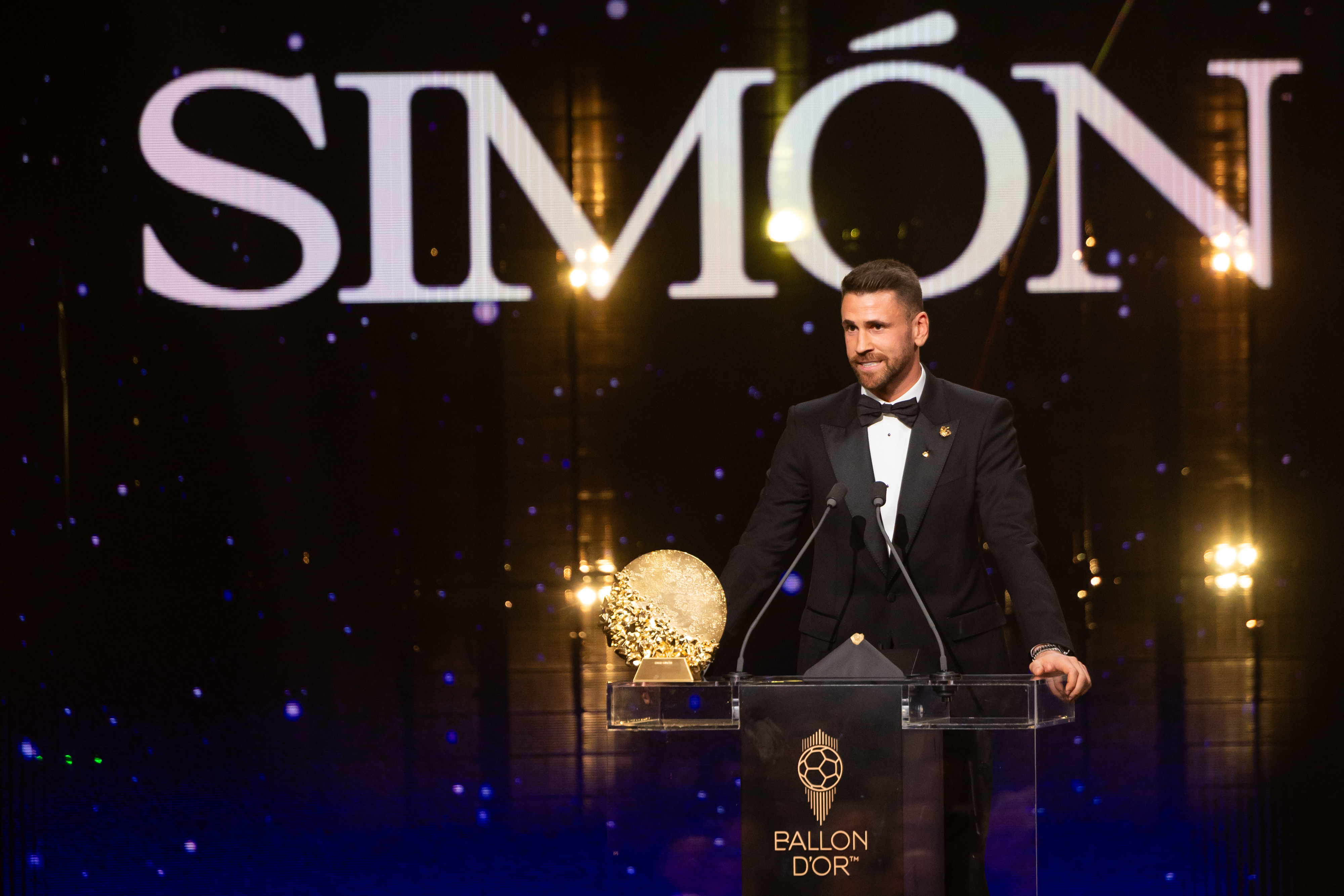
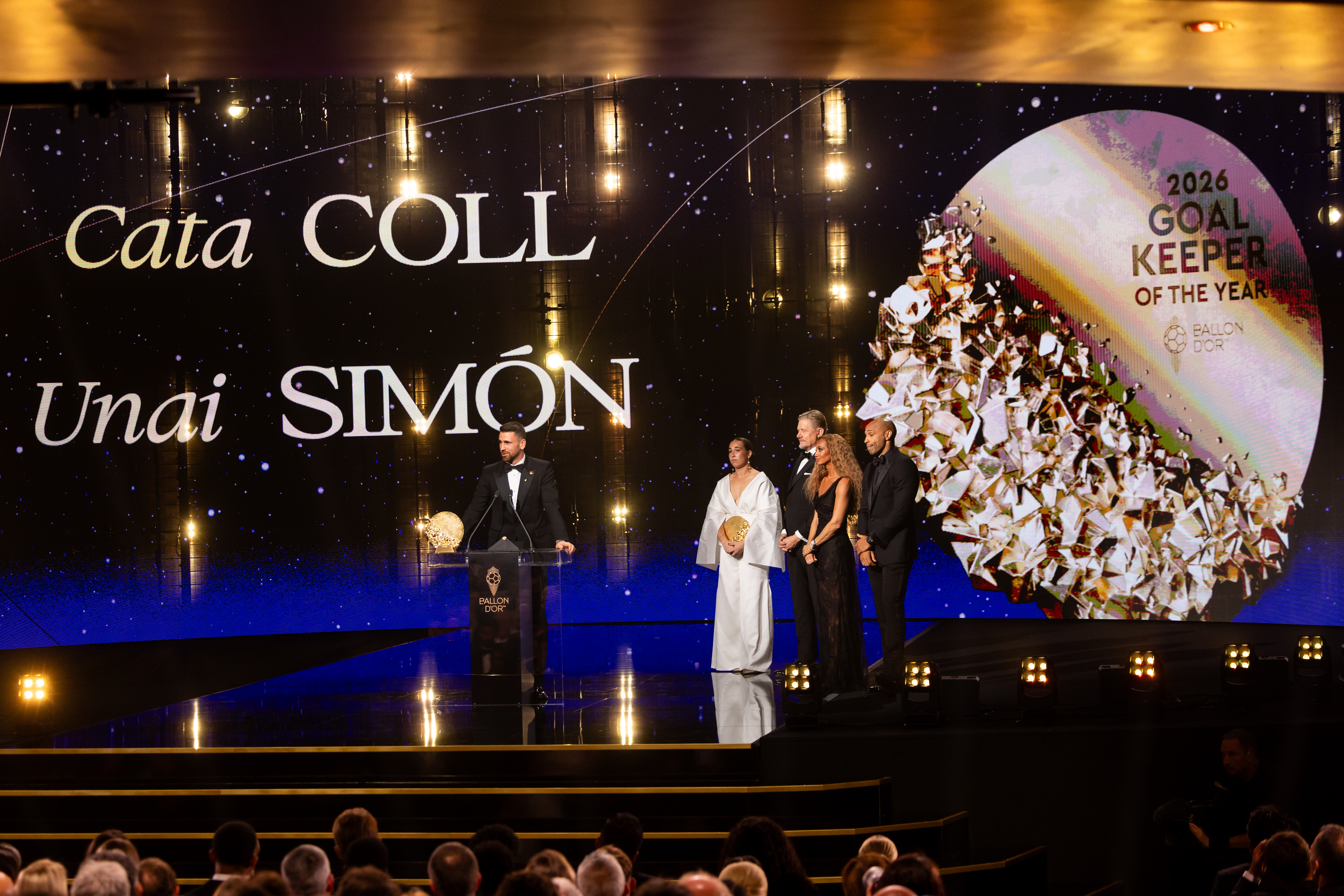
The goalkeeper awards also had a distinctly Spanish flavour. Unai Simón won the men’s award after an extraordinary World Cup with Spain, during which he set a record of 650 consecutive minutes without conceding and received the Golden Glove as the tournament’s best goalkeeper.
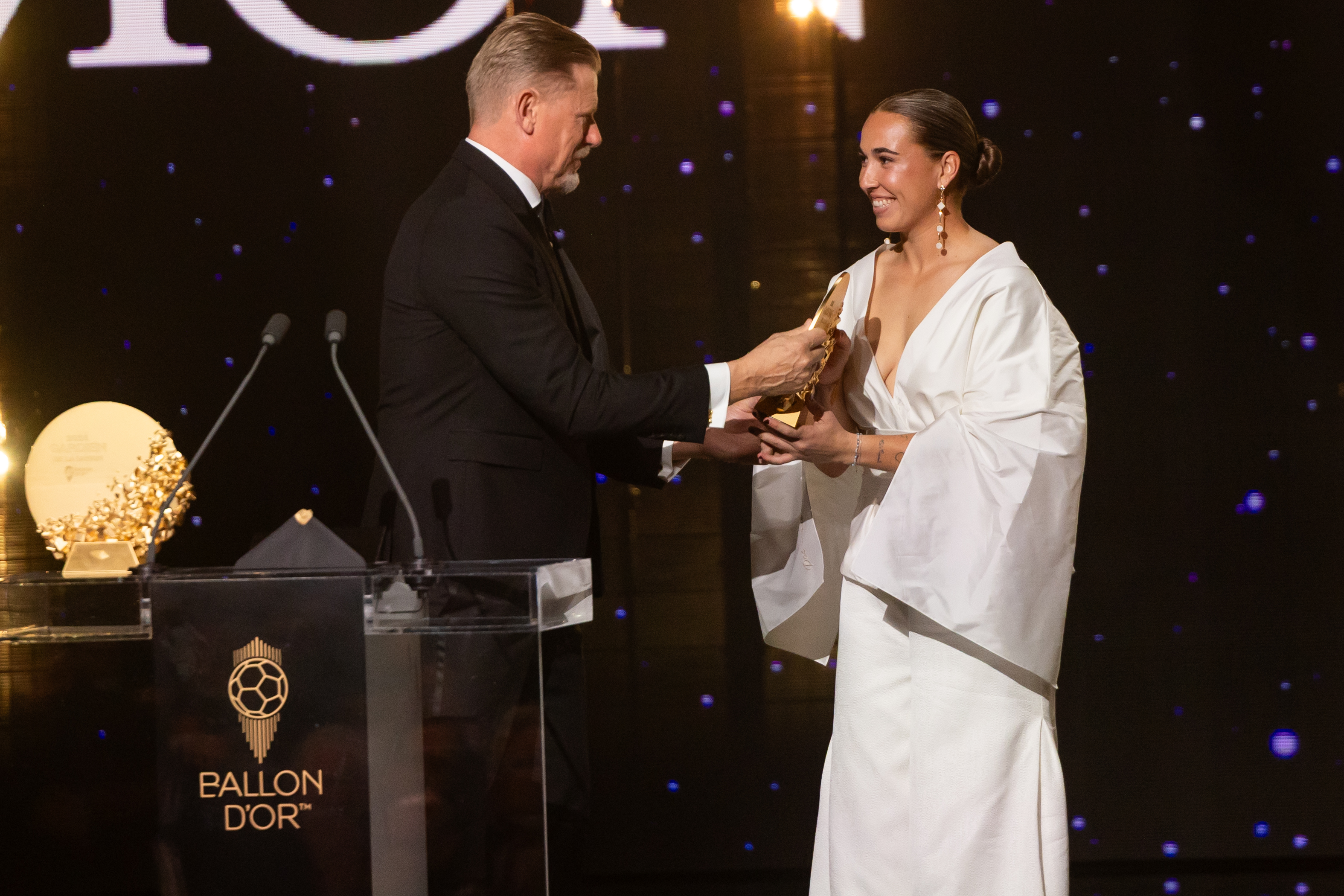
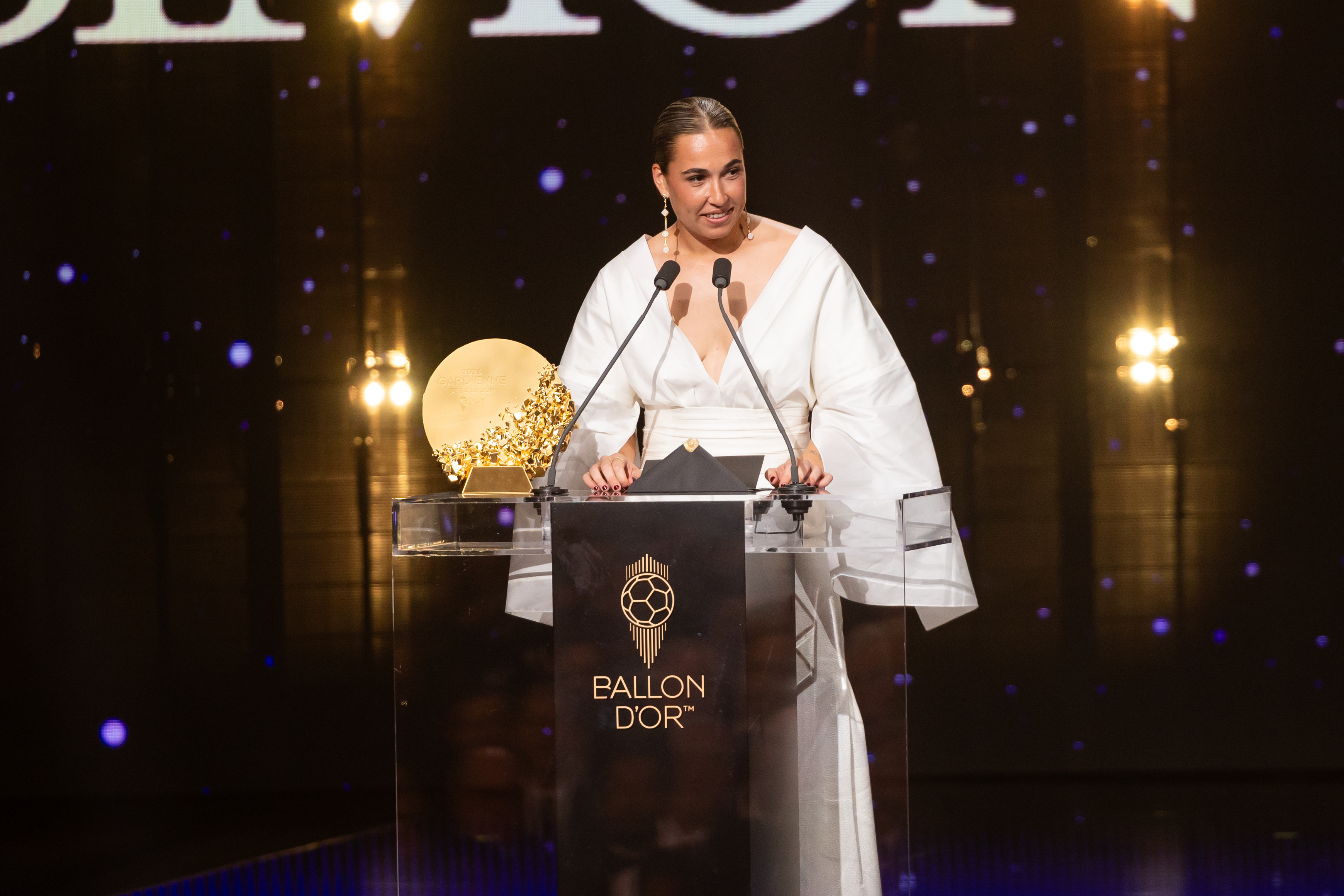
Meanwhile, Cata Coll was named the world’s Best Goalkeeper following an outstanding campaign in which she won all five titles available to her team. The double triumph made them the first Spanish goalkeepers to win their respective categories.
Unai paid tribute to fellow Spaniards David Raya and Joan García, who were also finalists, emphasising that “what matters is the legacy you leave behind when it is all over”. Cata, meanwhile, highlighted the honour of “sharing a trophy with a fellow Spaniard” and underlined the collective nature of their success.
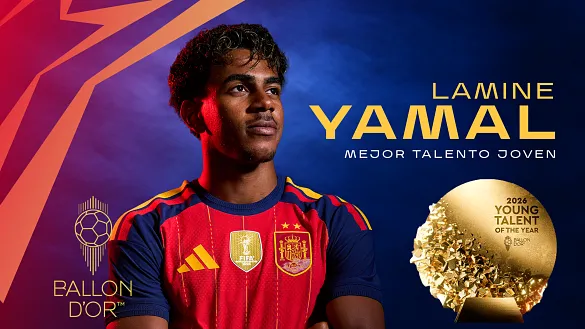
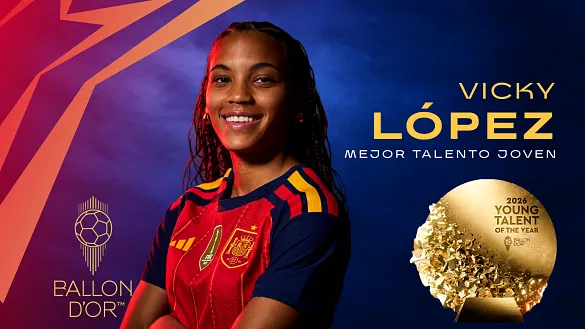
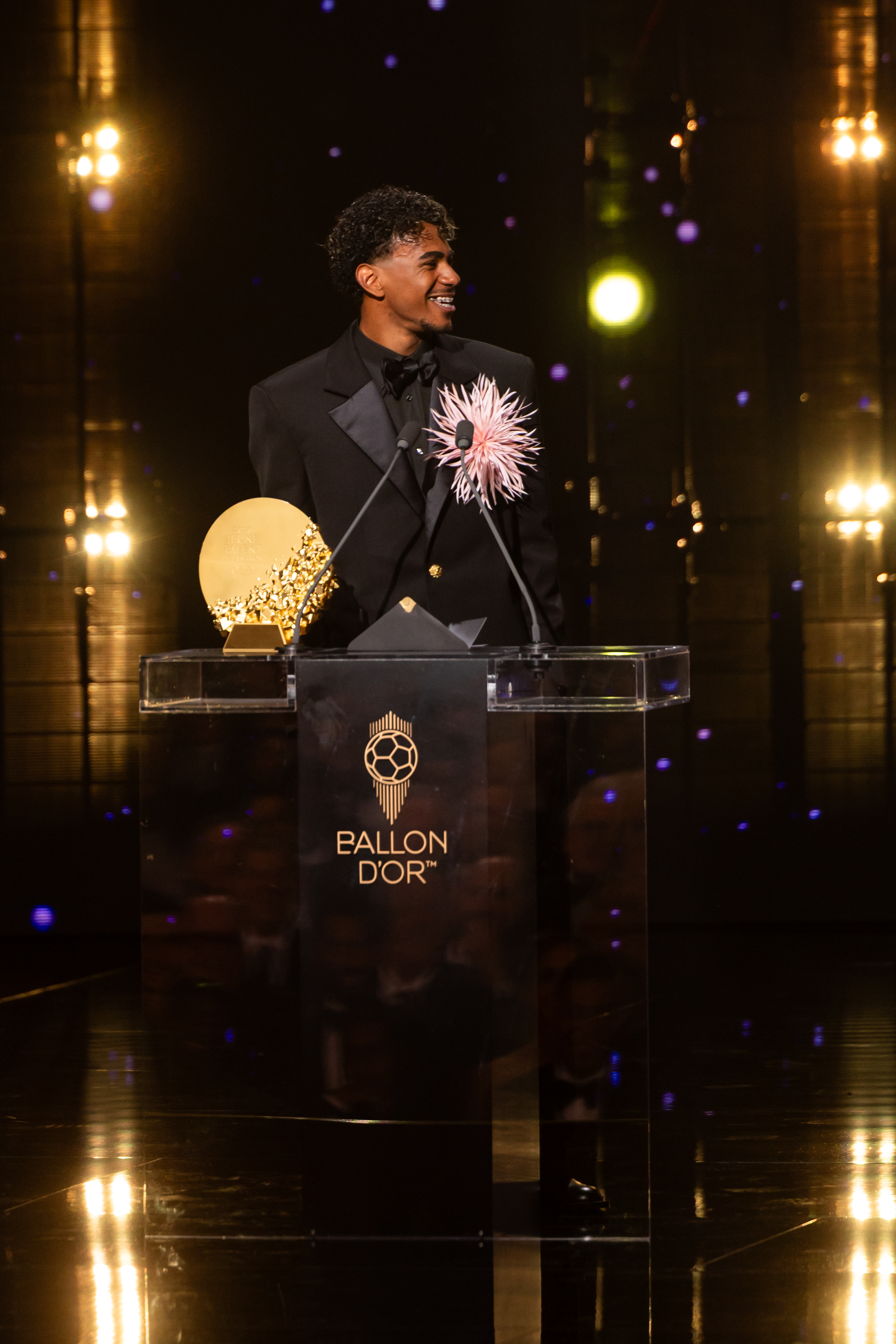
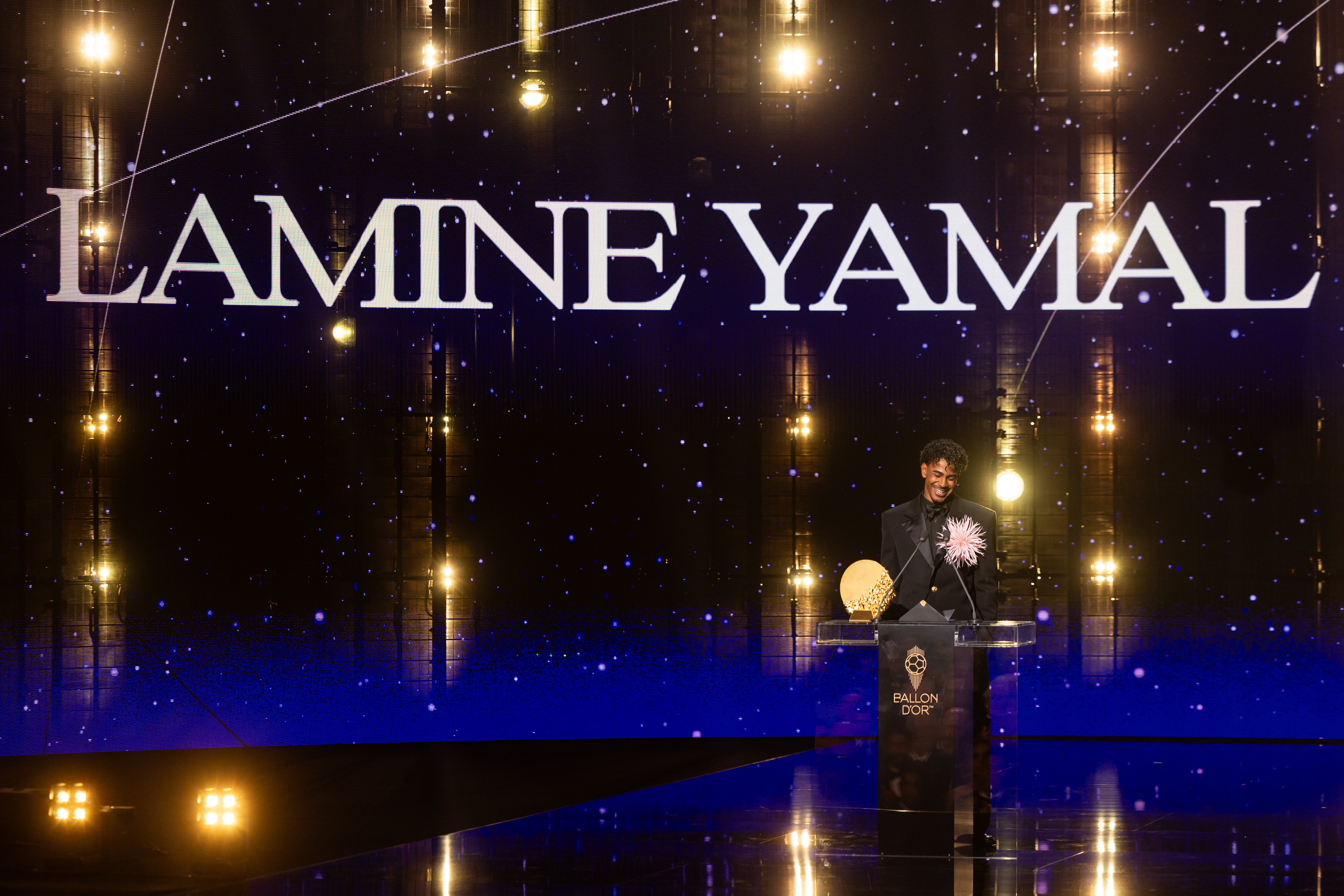
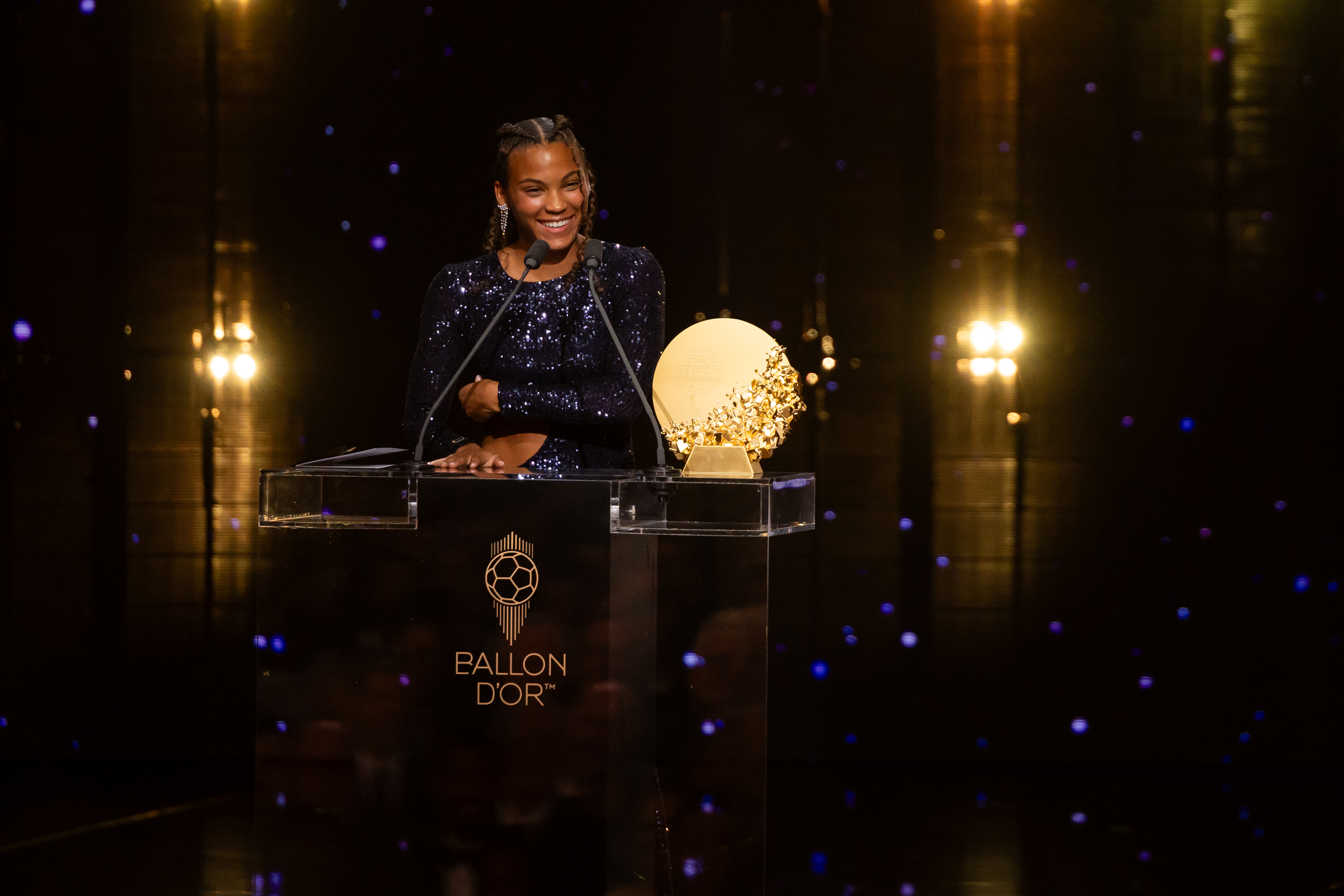
Spanish youth talent also took centre stage, with Lamine Yamal and Vicky López winning the Men’s and Women’s Young Talent awards, respectively.
The Barcelona winger claimed his third consecutive award, following his victories in 2024 and 2025, reaffirming his status as a leading figure of a generation already aspiring to the highest honours in world football. Vicky, meanwhile, retained the award she won in 2025, becoming the first female footballer to win it twice. The Madrid-born player thanked her teammates for their recognition, saying their support pushes her “to become better every day”.
Following the presentation of the awards, Rafael Louzán gave voice to the pride felt across the country, describing the occasion as a “historic night for Spanish football, with eight of the twelve awards going to Spaniards”.
The RFEF president stressed that these results were no coincidence, but rather the product of a model combining talent, preparation and development from the grassroots upwards. Beyond the individual winners, the recognition also highlights the contribution of clubs, federations and professionals who form the foundations of a highly successful football system.
The 2026 Ballon d’Or ceremony has provided a comprehensive snapshot of Spanish football enjoying one of the most remarkable periods in its history. The achievements of the men’s national team, crowned world champions, and the women’s team, winners of the UEFA Women’s Nations League, have been accompanied by the emergence of a new generation of footballers who know no limits.
The eight major awards won in London—recognising Alexia Putellas, Luis de la Fuente, Unai Simón, Cata Coll, Lamine Yamal, Vicky López, Pere Romeu and FC Barcelona Women—represent the individual expression of a much broader success story: a football model that combines development, talent and leadership to remain at the pinnacle of the world game.
More related news