

The RFEF signs the first collective agreement in Spanish football history with Primera and Segunda referees
LALIGA, which supported the negotiations between the Federation and the referees’ union AESAF, was present at the signing.
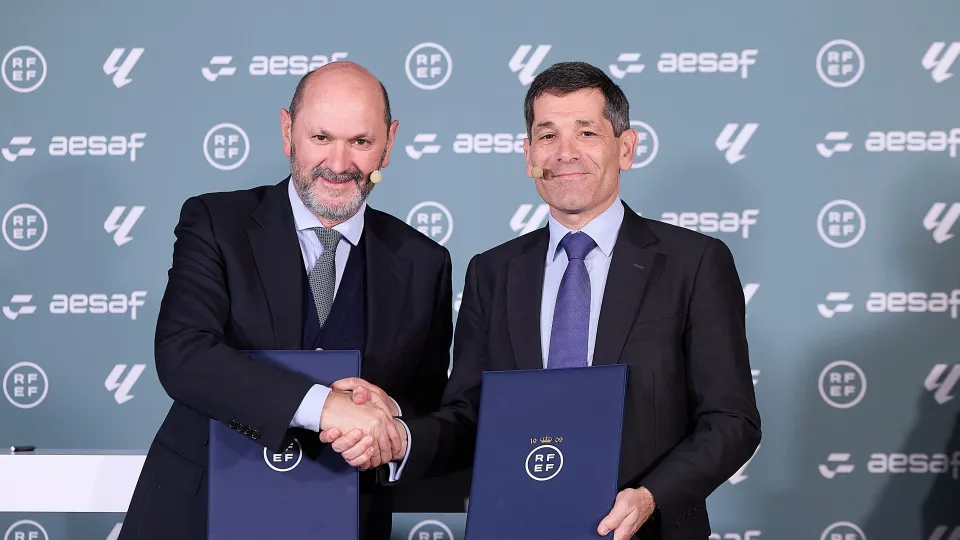
🗣 Rafael Louzán: "Se puede construir desde el diálogo y el consenso".
📹 Los presidentes de la @rfef, @LaLiga, @AESAFoficial y el @CTARFEF, unidos en la Ciudad del Fútbol para presentar el primer convenio colectivo arbitral de la historia.
🔗 https://t.co/27FRS5IeGe pic.twitter.com/HuNhLhsXdK
— RFEF (@rfef) March 9, 2026
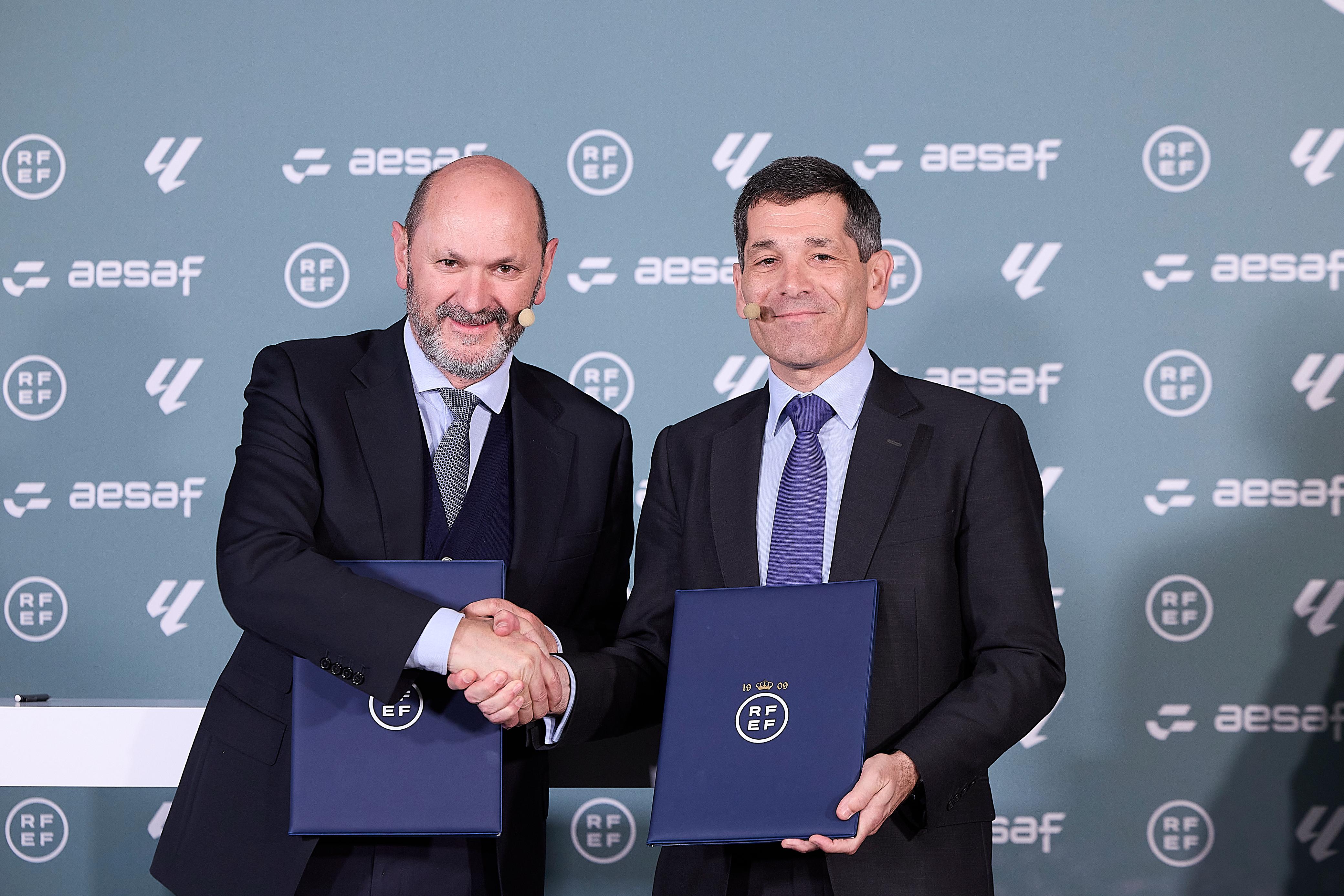
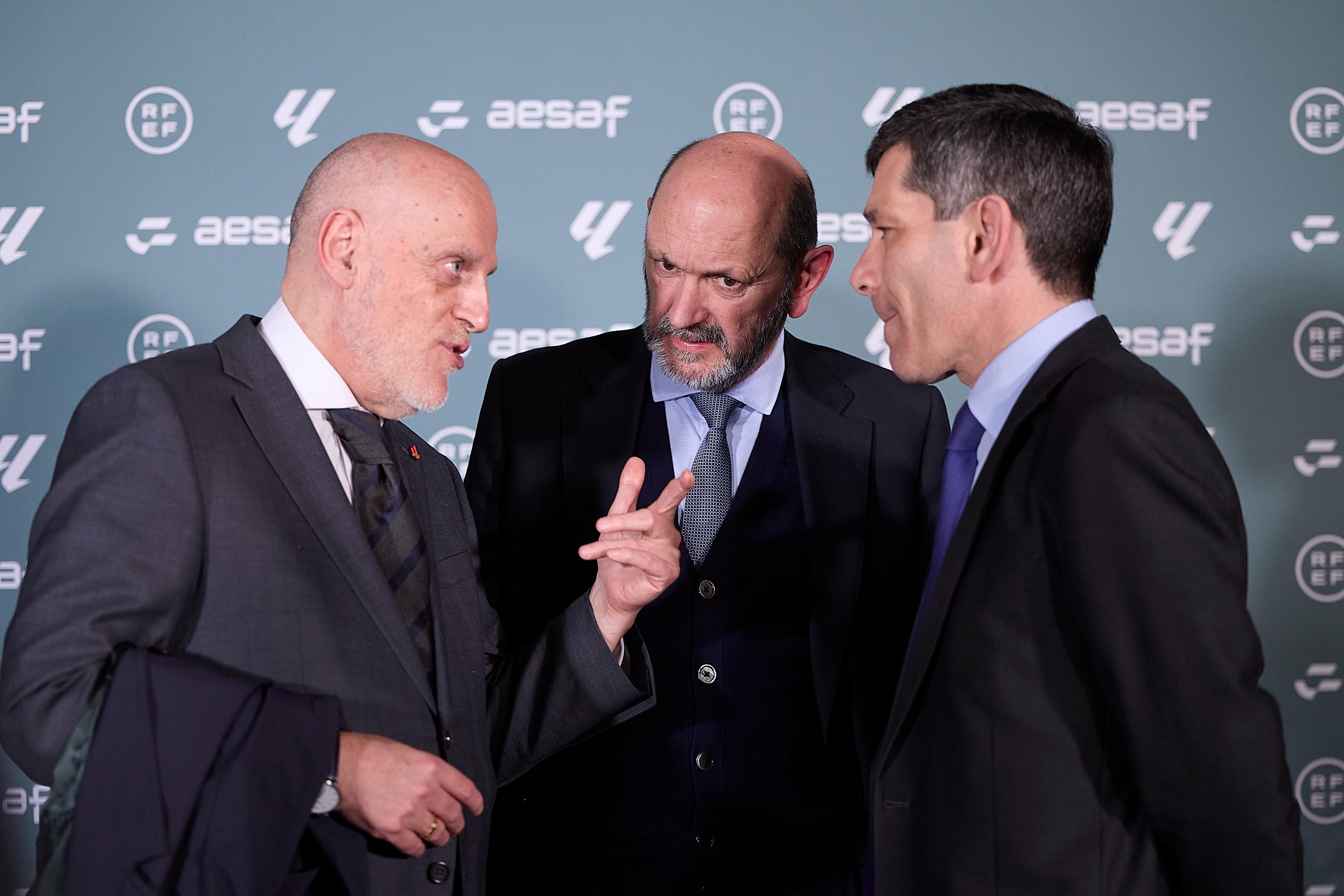
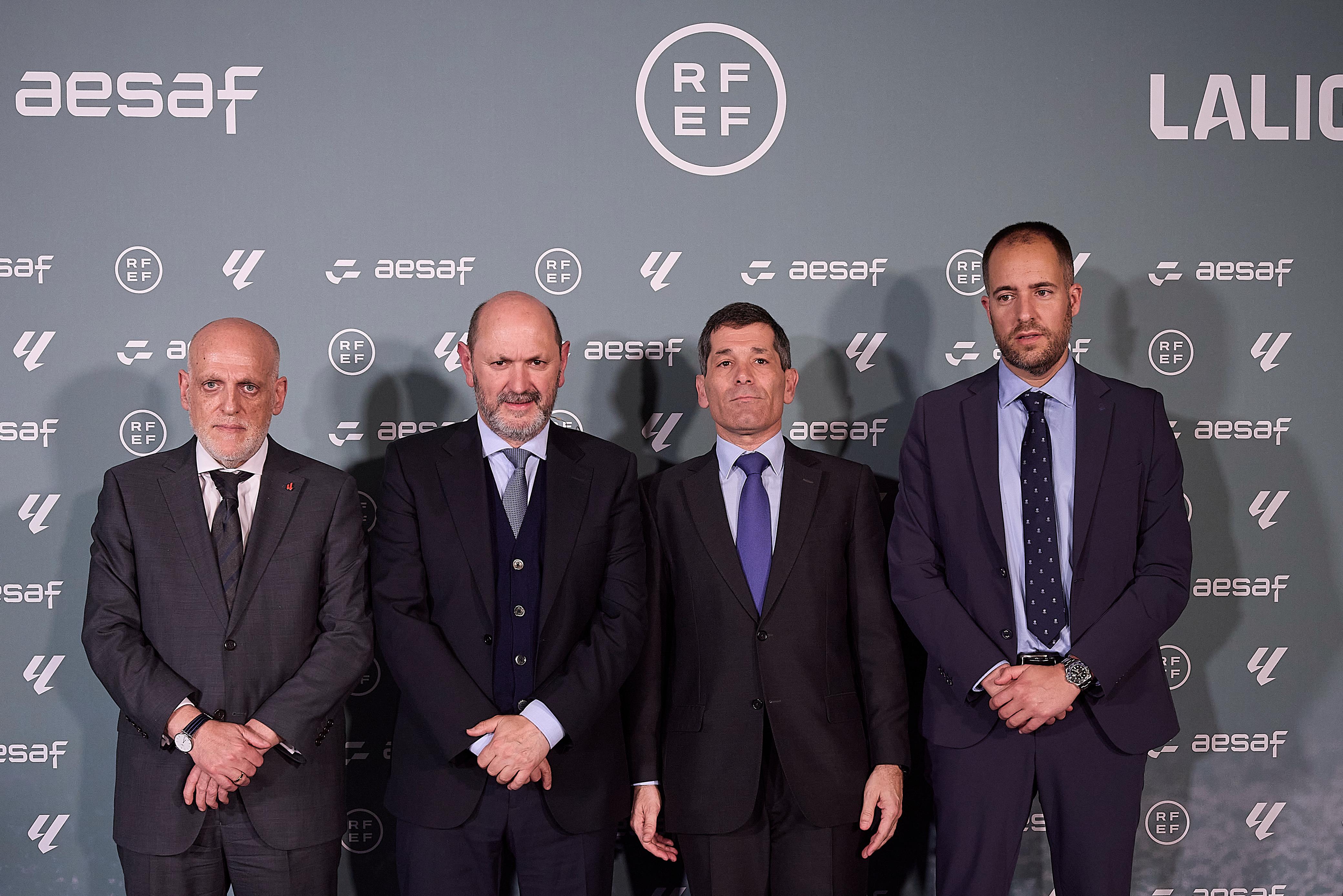
RFEF president Rafael Louzán and Paco Hevia, representative of the professional men’s referees’ union AESAF (Spanish Association of Football Referees), signed on Monday the first collective agreement regulating the rights and obligations of referees and assistant referees in their employment relationship with the Royal Spanish Football Federation (RFEF).
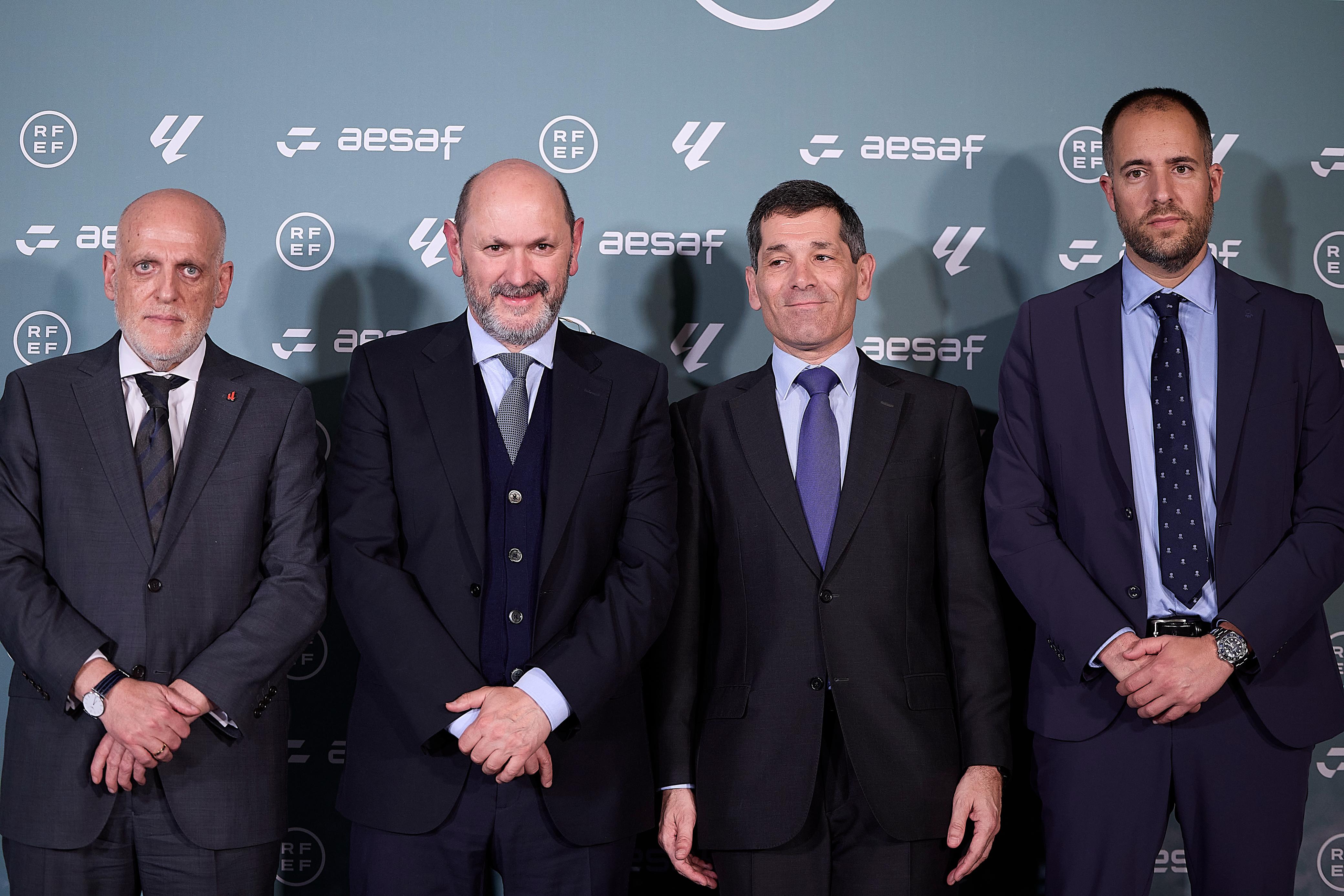
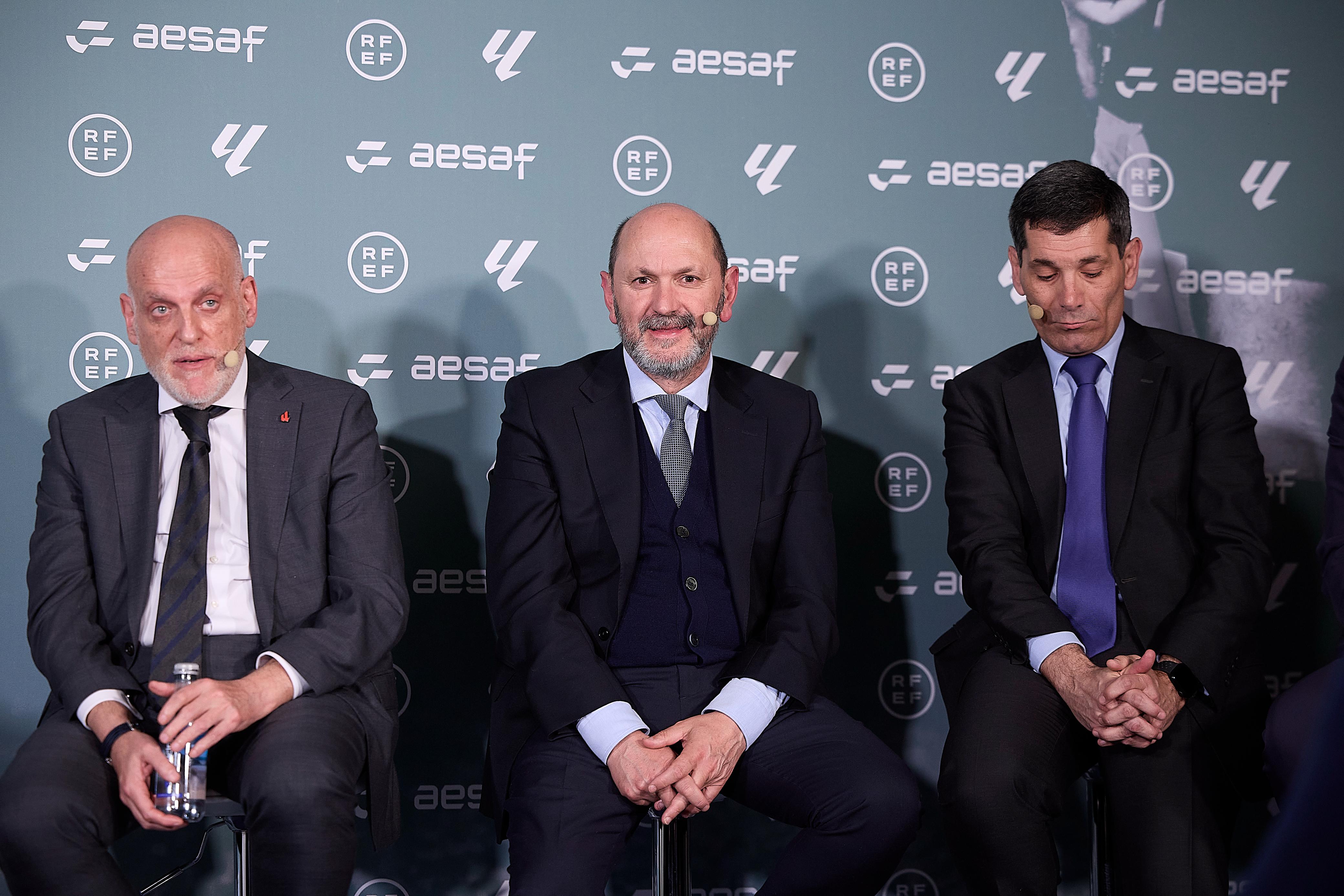
Representing LALIGA, a key collaborator in the negotiations, its president Javier Tebas attended the event alongside Fran Soto, president of the Technical Committee of Referees (CTA).
The agreement marks a historic milestone, becoming the first collective agreement specifically for professional referees at an international level, strengthening the labour, legal and organisational framework of referees in Spain.
It is the result of a four-month negotiation process between the parties, with LALIGA playing an active role. Under the coordination agreement that regulates relations between the RFEF and LALIGA, the league covers the full cost of professional refereeing.
Improved protections and training opportunities
The agreement for Primera and Segunda División referees, which will remain in force until 30 June 2026, includes:
Improved insurance coverage for referees
Benefits in cases of illness or injury
Post-career training programmes
Both the RFEF and LALIGA will support the refereeing community after retirement. The Federation will provide programmes through La Academia, while LALIGA will offer places in courses at LALIGA Business School. These initiatives will begin next season.
This commitment marks the beginning of a new phase of collaboration aimed at improving conditions for Spanish referees and supporting the sustainable growth of professional competitions.
Further meetings will soon be held to extend the agreement until June 2030. Negotiations are also underway for a collective agreement in women’s professional football, which is expected to be approved in the near future.
“A very positive agreement”
RFEF president Rafael Louzán highlighted the significance of the deal:
“We are making progress, including in the refereeing world. This is the best way to provide guarantees to such an important group, and this agreement places us at the forefront of how things should be done in this field. It is a day for congratulations and to thank everyone involved in the negotiations. We also want to thank LALIGA for its support. When there is consensus, good agreements like this are possible.”
On behalf of the referees, Paco Hevia described the day as historic:
“We had to take this step, and it has resulted in a collective agreement that respects the labour rights of referees. We are working with a long-term vision, because this agreement benefits not only today’s referees but also those of the future. It represents a major step in the professionalisation of refereeing.”
Javier Tebas, president of LALIGA, also highlighted the collaborative spirit of the negotiations:
“This is very positive. The way the process has been developed represents a significant change for Spanish refereeing. It is another step towards modernisation, and we will continue working to include new aspects in the agreement with a view to extending it until 2030. Ultimately, Spanish football is the main beneficiary.”
For Fran Soto, head of the CTA, the agreement places Spain at the forefront internationally:
“This is a unique agreement. It sets an example for many other countries. It is also another step towards greater transparency. Our goal is to lead and be pioneers in the measures being implemented internationally — and this is one more step in that direction.”

More related news
The president of the RFEF met with the representatives of the clubs in non-professional competitions while in Jeddah.
Over the coming weeks, various football stakeholders will assess different tools to improve data collection in referee evaluation and appointment processes