
Morocco, Portugal and Spain officially proclaimed hosts of the 2030 FIFA World Cup™.
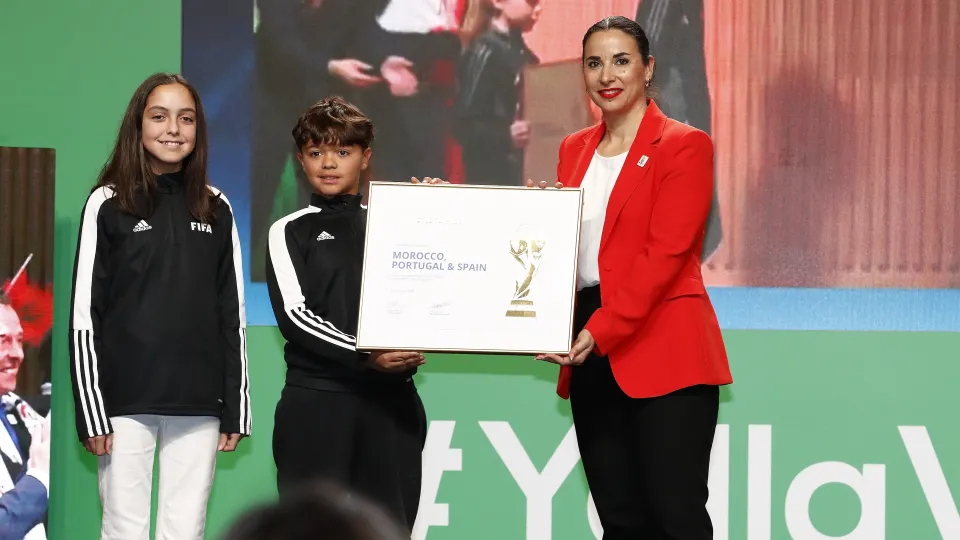
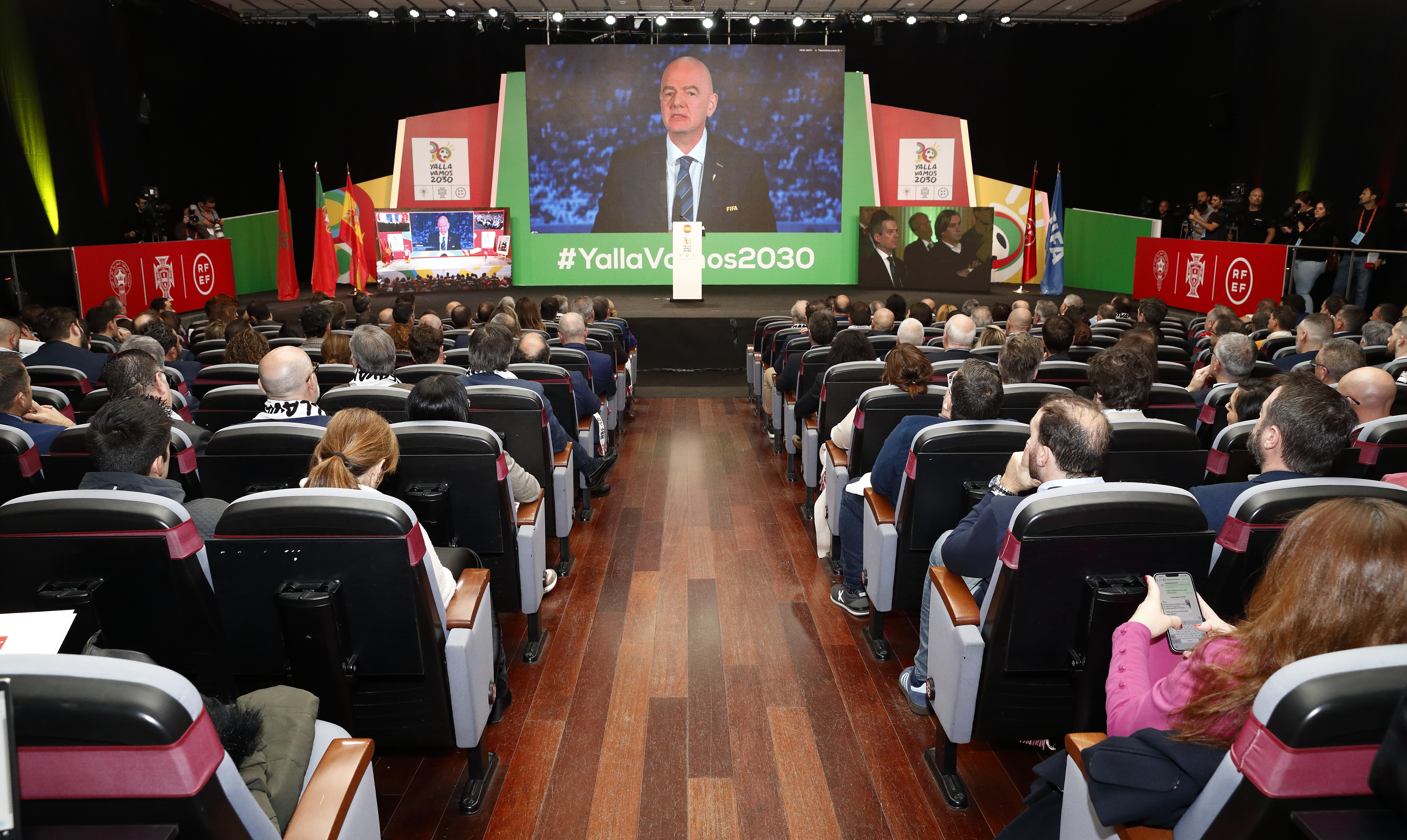
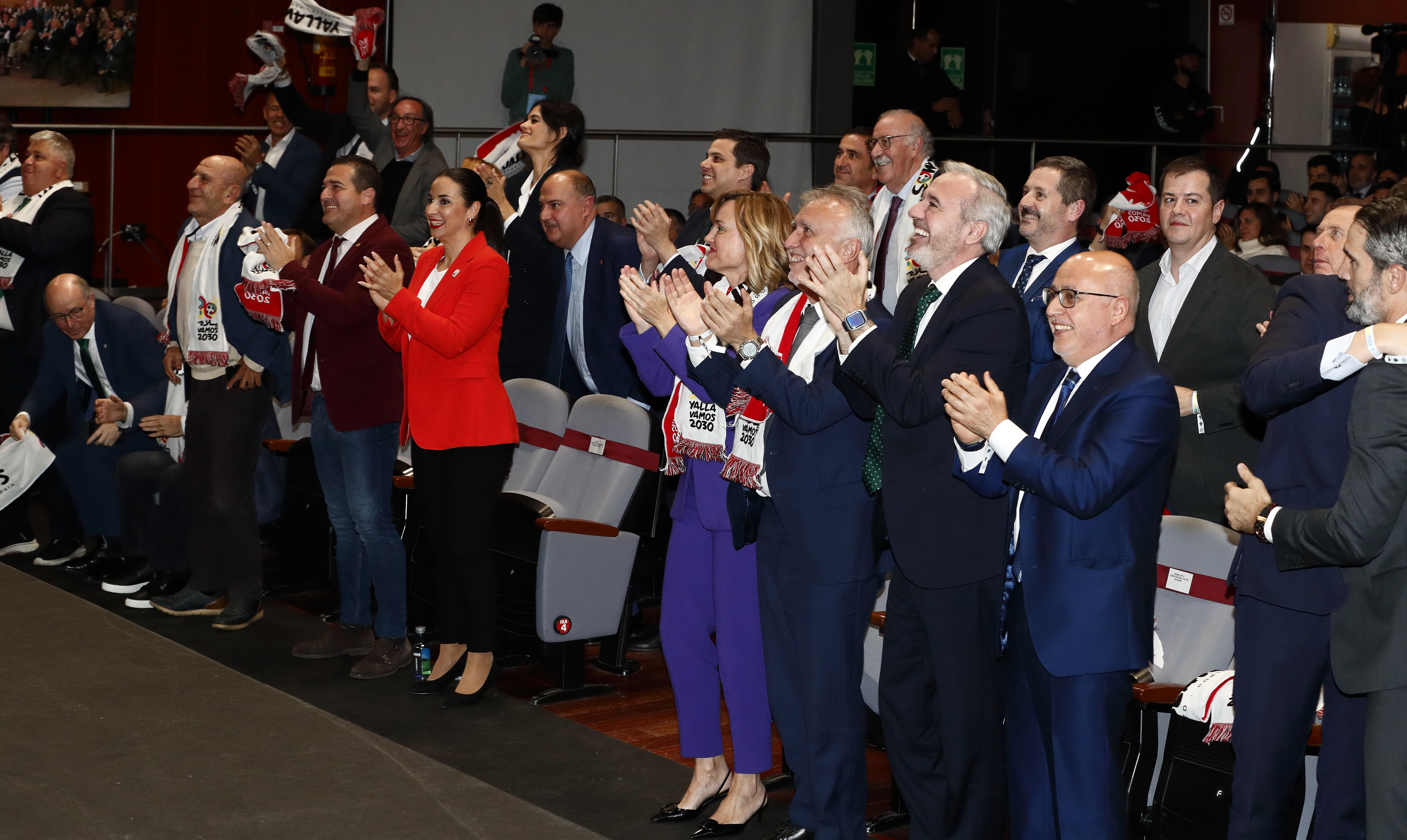
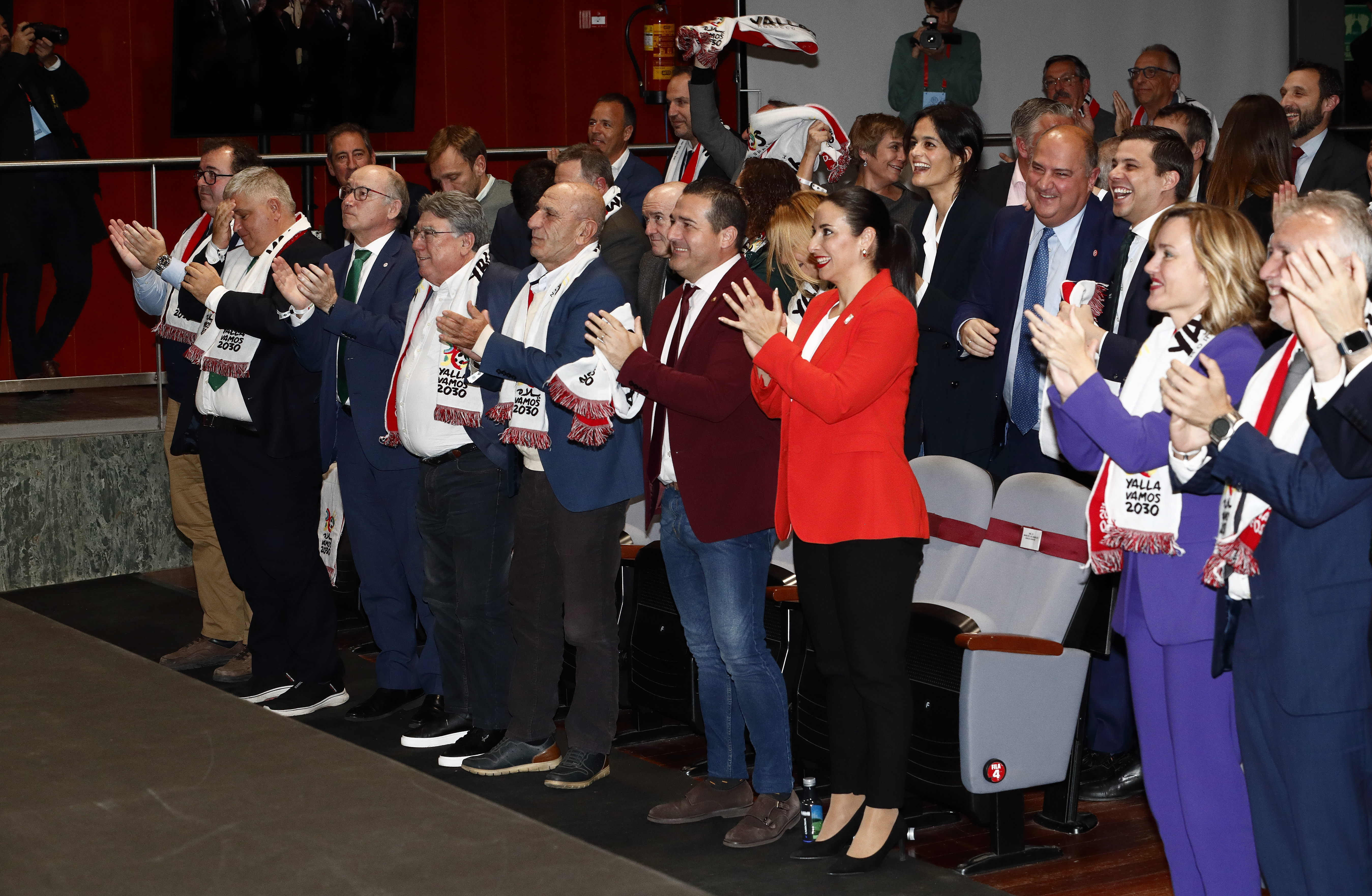
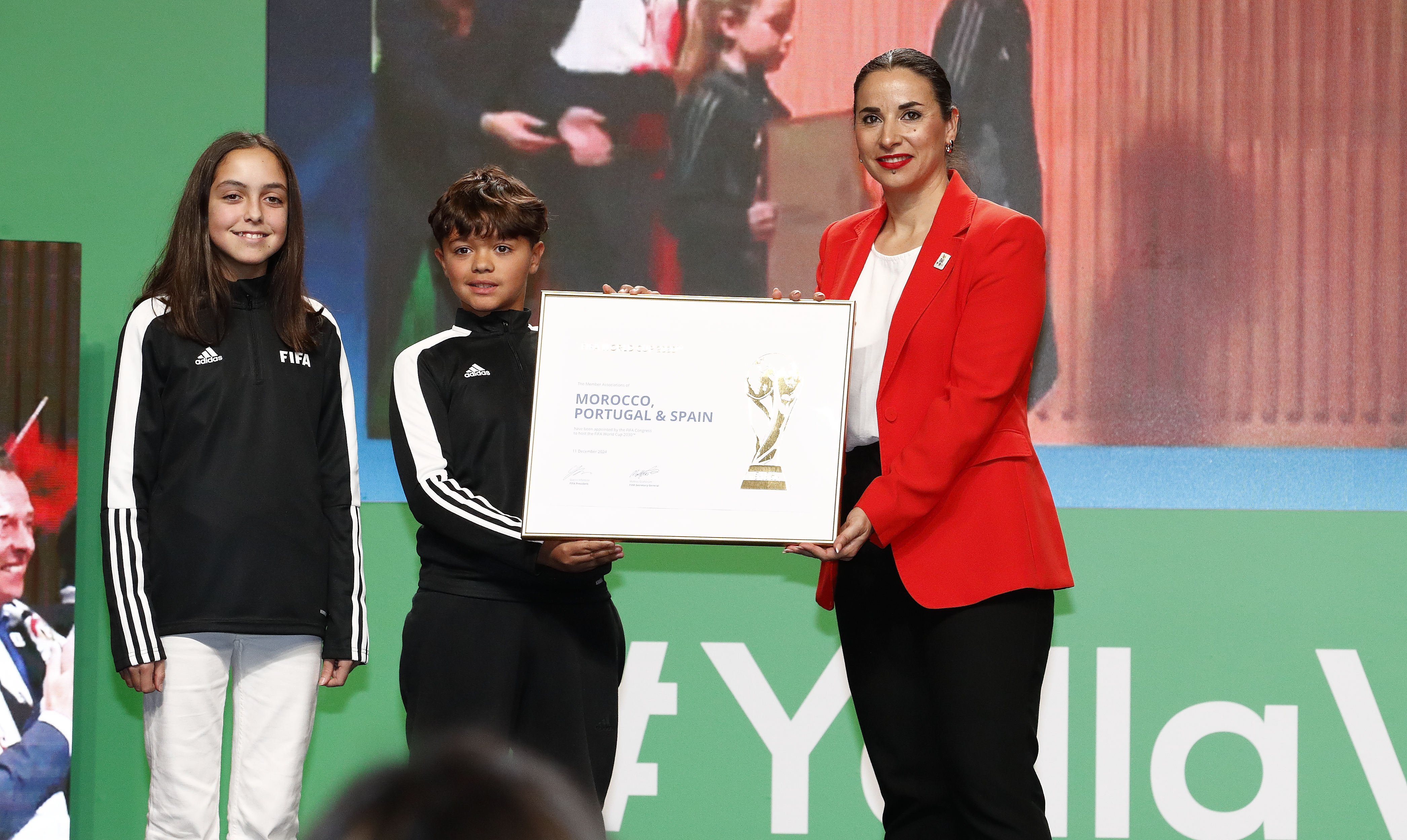
This Wednesday, 11 December, has already become a historic day for world football. The Extraordinary FIFA Congress has officially chosen the joint bid of Morocco, Portugal and Spain to host the 2030 FIFA World Cup™.
The decision was taken by acclamation at the Congress, a testament to the exceptional quality of the bid dossier submitted. This victory is the culmination of two years of tireless work and seamless coordination between the three nations, which have succeeded in proposing a modern and innovative bid. Furthermore, this announcement marks a milestone in the history of the tournament, as it will be the first World Cup to be organised on two continents, uniting Africa and Europe under the universal values of football.
With an unprecedented score of 4.2 out of 5, the highest ever in FIFA's evaluation reports, the YallaVamos2030 bid combines exceptional facilities for player and fan accommodation, world-class infrastructure and a bid to leave a lasting legacy for future generations. This achievement is the result of the collective efforts of the Moroccan, Portuguese and Spanish working groups, backed by the unwavering support of the institutions and governmental organisations involved, and by the passion for Football that exists in all three countries.
The video presentation of the YallaVamos candidacy, entitled ‘The Starting Point’, captivated the Congress attendees. This video symbolises the union of the three nations on an imaginary floating platform, located in the heart of the Atlantic Ocean, at an equidistant point between Morocco, Portugal and Spain. With the participation of football legends Noureddine Naybet, Luis Figo and Fernando Llorente, the video's concept and production allowed the values of hospitality, innovation and sustainability to be represented in a highly symbolic way.
The heads of the three national football federations expressed their pride and emotion at this historic decision:
Fouzi Lekjaa, President of the Royal Moroccan Football Federation, said: ‘The trust placed in my country, by selecting the tripartite bid in which we are included, is further proof of the progress made, both in terms of the preparations for this event and the overall development of the country, guided by the vision of His Majesty King Mohammed VI, may God be with him. This will not only contribute to the success of the organisation of the tournament, but will also reinforce a belief that we have always upheld: that sport in general, and football in particular, serves as a powerful engine for socio-economic and human development.
Fernando Gomes, President of the Portuguese Football Federation, said: ‘It has been a demanding and challenging two years, culminating in an evaluation that fills us with pride and reflects the high standards with which we have always approached this endeavour. ‘Football must maintain its essence while keeping up with the changes demanded by modern times,’ he added, before explaining: ’We want the 2030 World Cup to combine the memory of the competition and the celebration of its Centenary, while providing the necessary renewal with an eye to the future. This is our challenge!
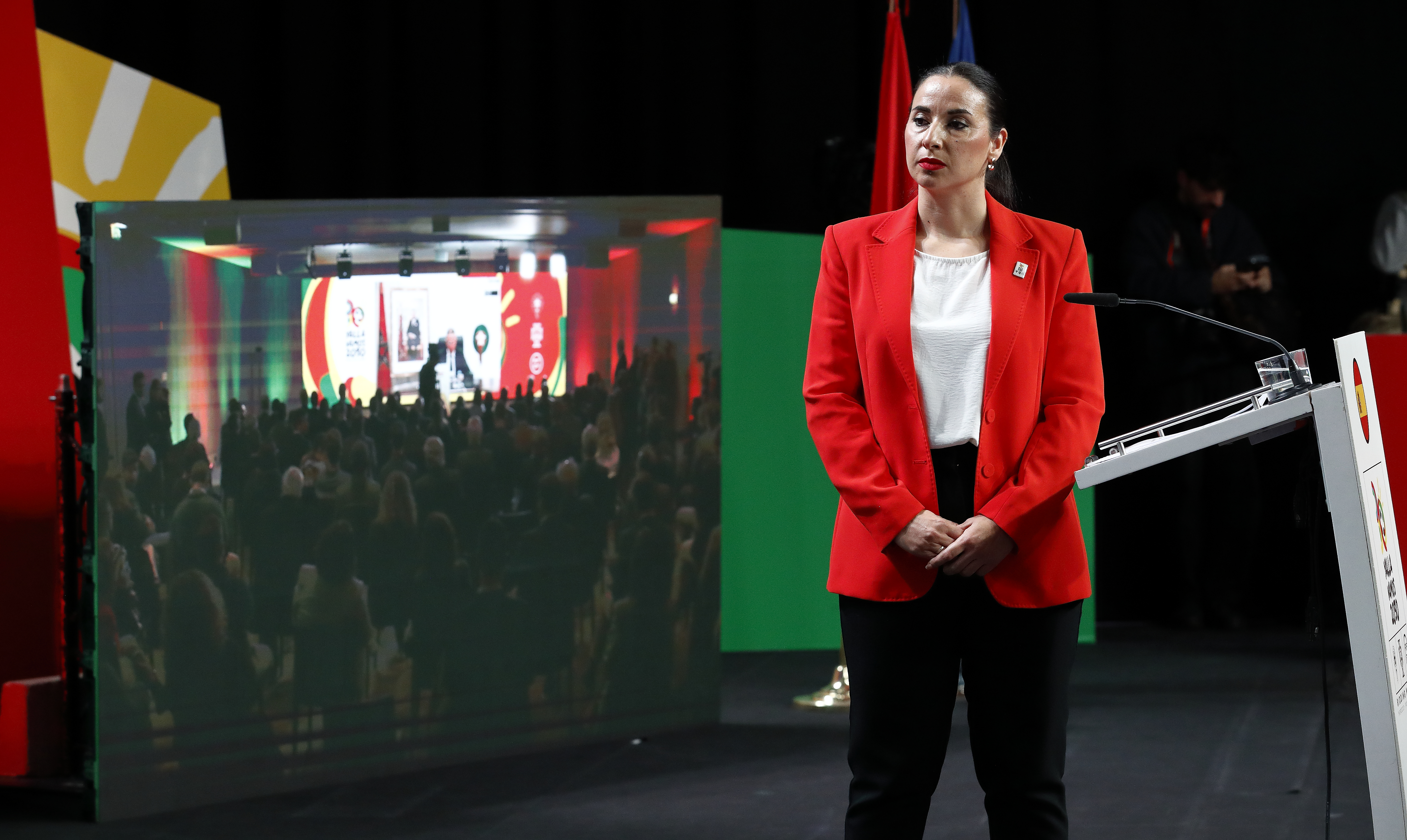
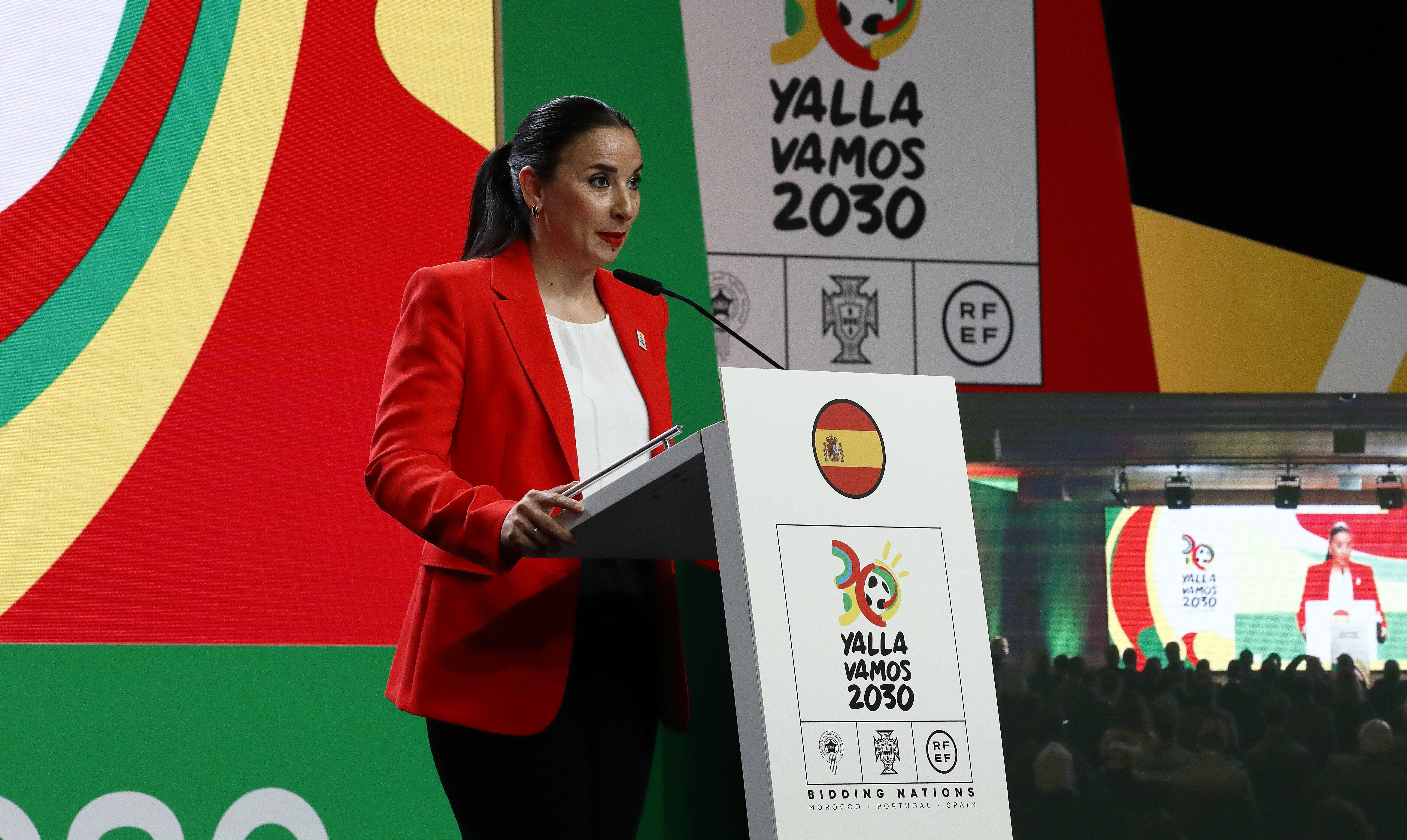
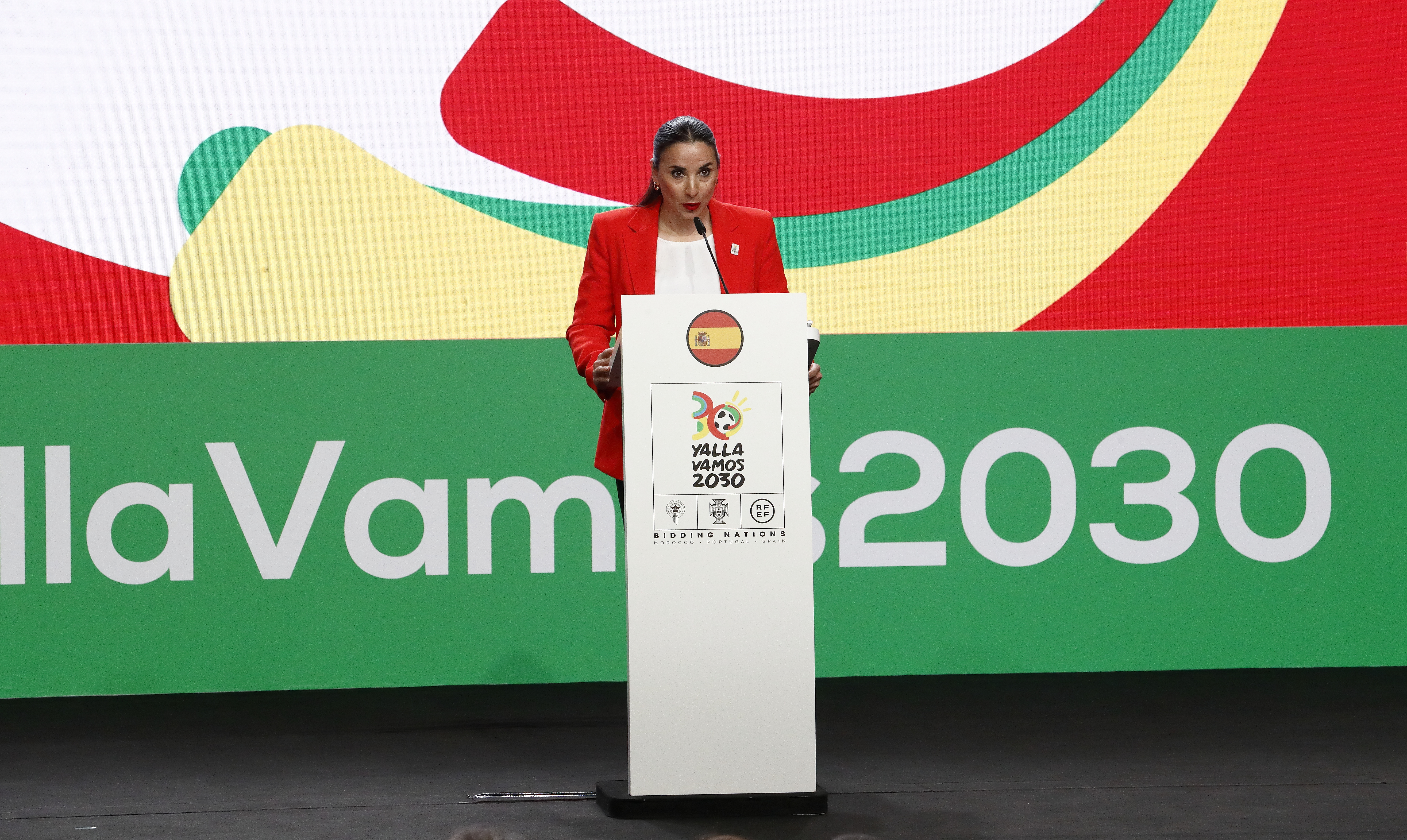
For her part, Maria de los Ángeles García Chaves, president of the RFEF's Management Committee, expressed her conviction that the 2030 World Cup will be ‘a World Cup for several generations: for those who remember the 1982 event and for the 40% of Spaniards who were not even born on that date’. García Chaves had previously highlighted the great involvement and commitment of the institutions, from the local to the national level, throughout Spain. ‘This project builds and structures nations, and then shows them to the world united by a common passion: football,’ he said.
More information about the candidacy can be found at www.yallavamos2030.com or on its social media profiles on Facebook, Instagram, LinkedIn, X and YouTube.
For more information, please contact [email protected].
More related news
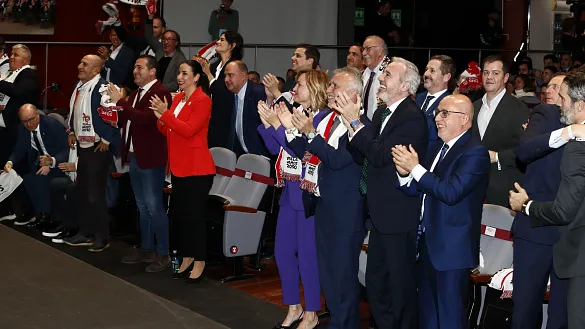
An event organised by the Royal Spanish Football Federation brought together part of all the public and private entities that have helped to turn the dream of the 2030 World Cup into a reality.
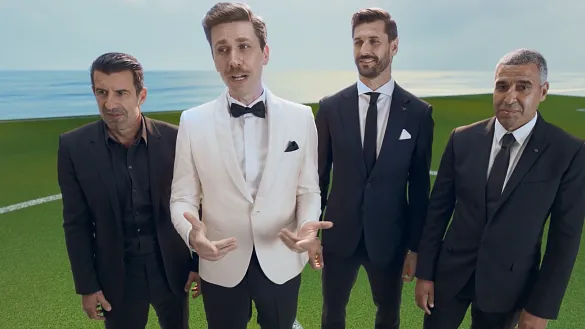
The video ‘The Starting Point’ was used to showcase the strengths of YallaVamos2030 bid at the Extraordinary FIFA Congress.